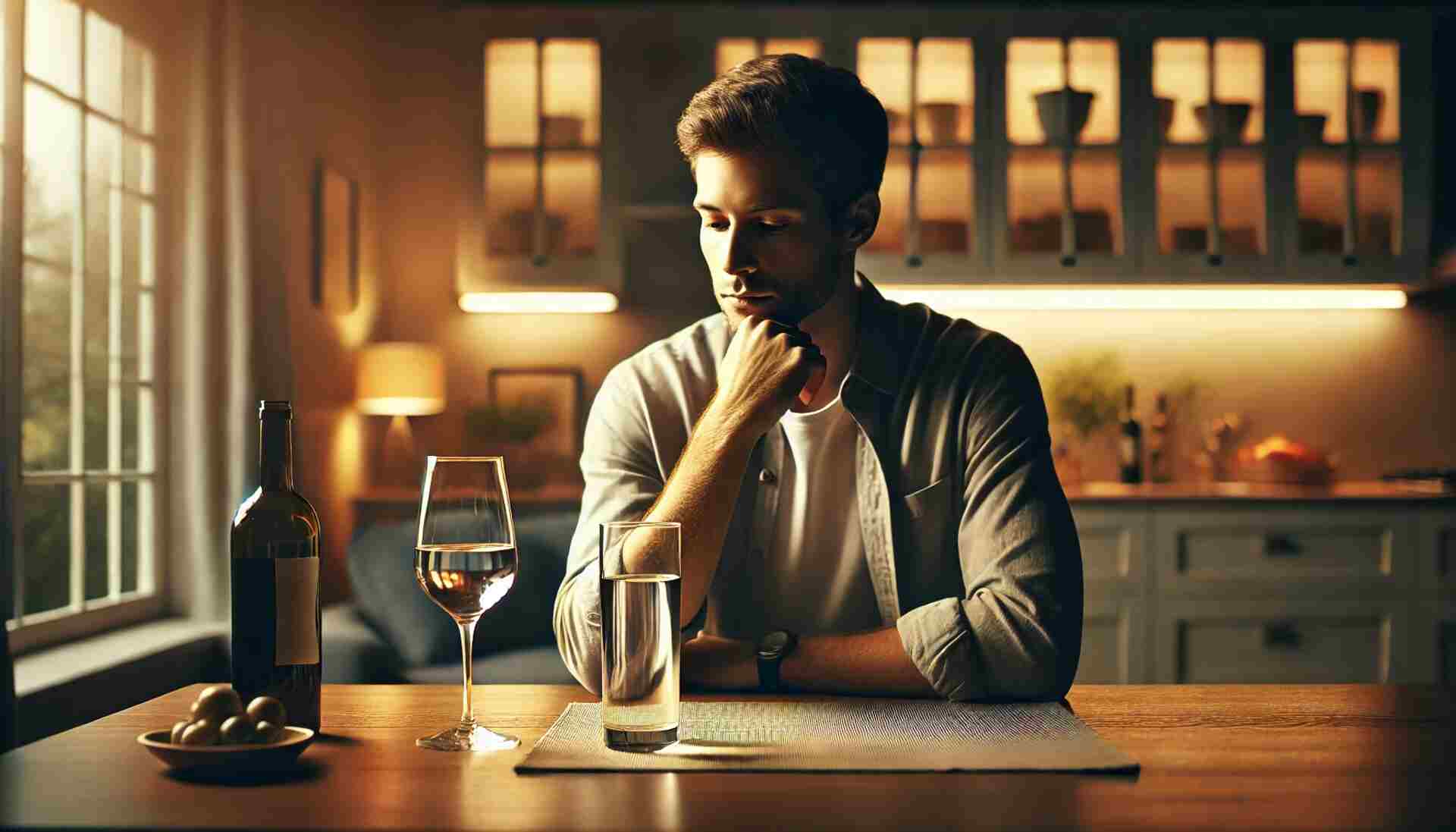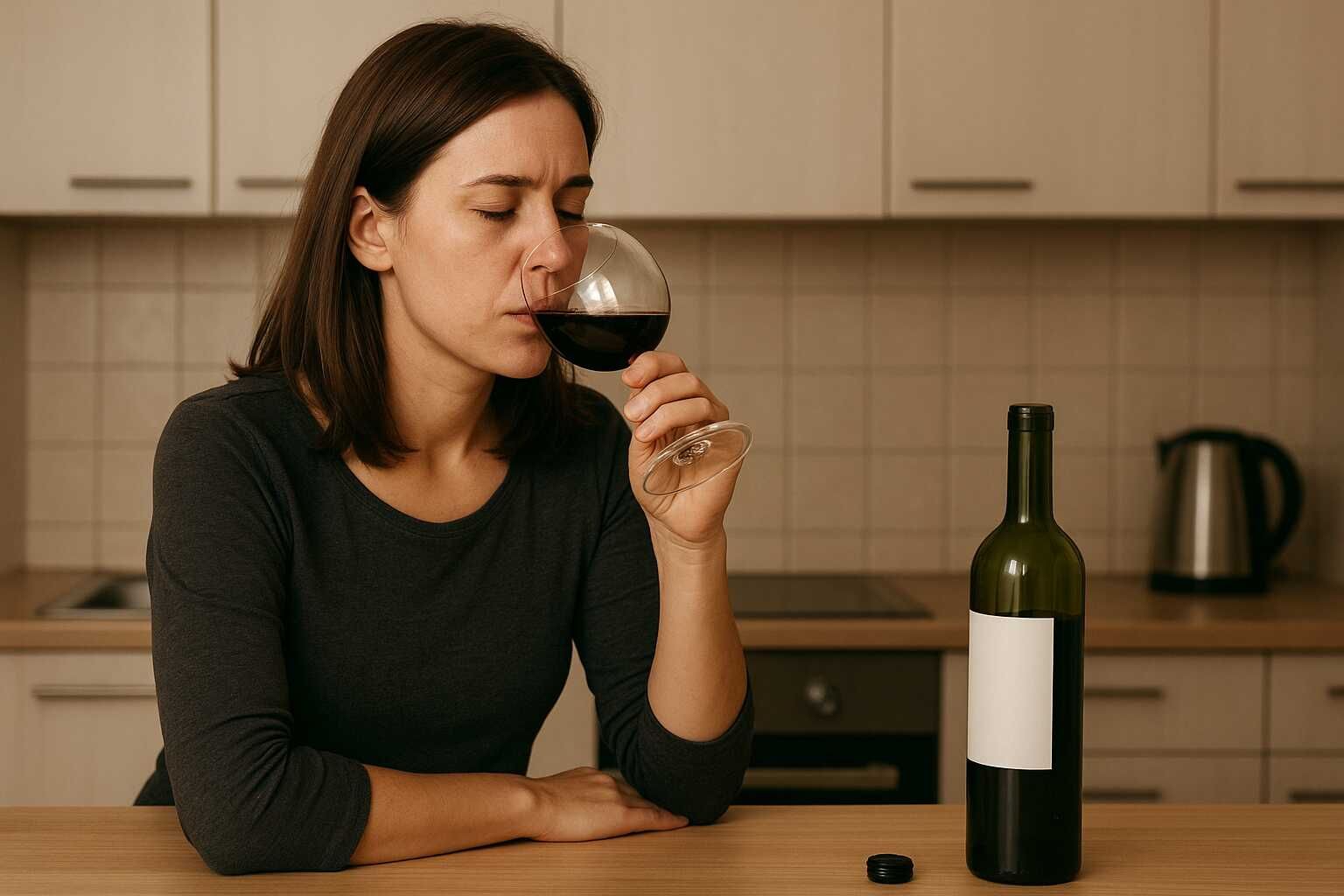
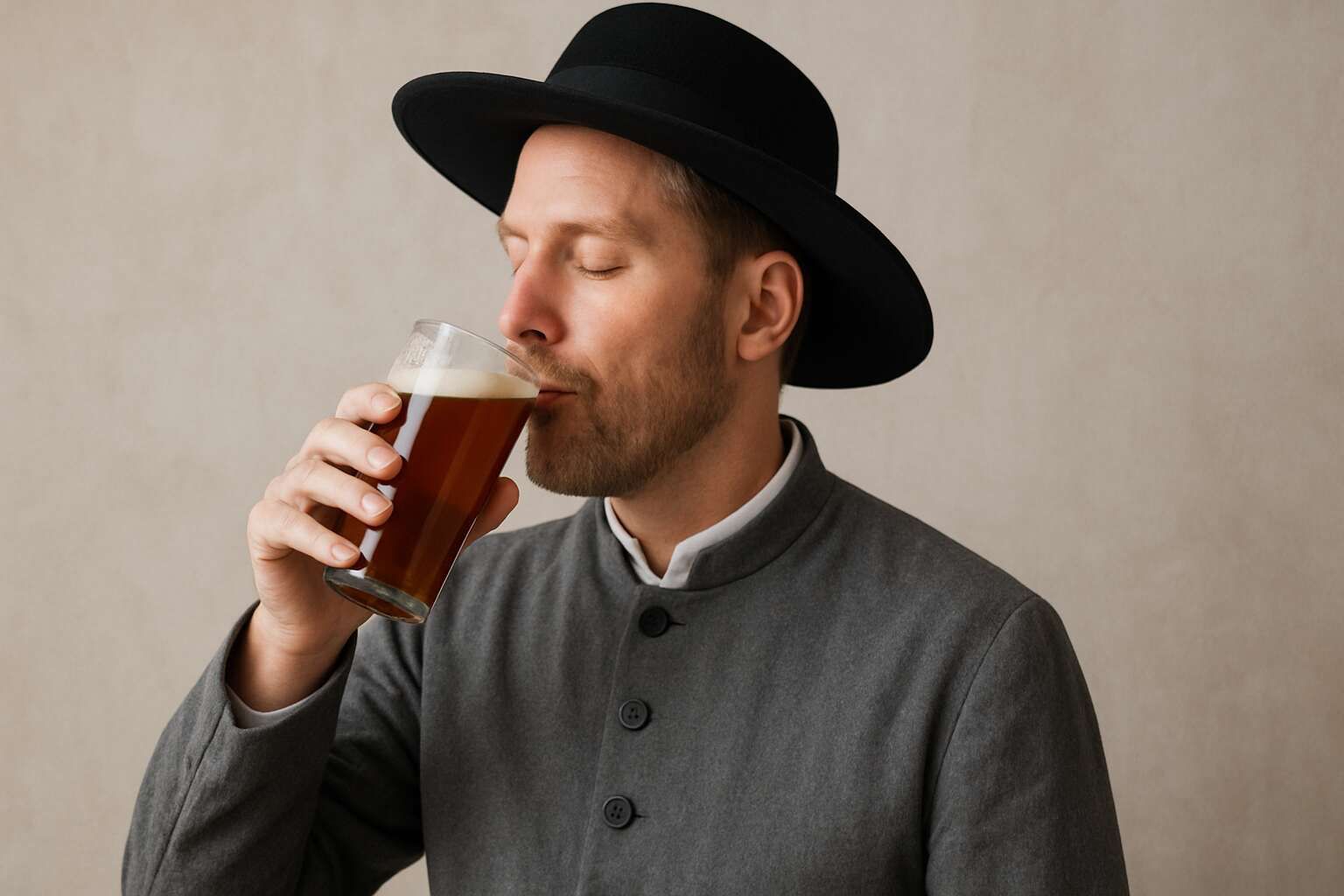
Yes, Quakers do not have a strict prohibition against alcohol, but their approach is guided by personal conscience, mindfulness, and community values. Quakers prioritize responsible and moderate consumption, ensuring that drinking does not harm oneself or others, cloud judgment, or disrupt spiritual clarity.
Historically, some early Quakers opposed alcohol entirely due to social harm and the temperance movement, but modern Quaker communities are more flexible. Today, choices vary widely—some abstain completely, while others enjoy wine or beer in moderation.
Introduction
Can Quakers drink alcohol? It’s a common question, especially because Quakers are widely known for their strong moral standards and peaceful lifestyles. While many world religions have clear rules about drinking, Quaker beliefs work a bit differently.
Instead of focusing on long lists of prohibited items, Quakers emphasize living with integrity, clarity of mind, and responsibility to oneself and the community. Because alcohol can sometimes lead to harmful behavior or impaired judgment, it has always prompted thoughtful conversations among Quakers.
Historically, some Quaker communities promoted total abstinence and even joined the early temperance movement to protect families and society from the dangers of alcohol abuse. But today, Quakers are more diverse, and their practices around drinking vary across different branches and cultures. Many modern Quakers do drink socially, while others prefer to avoid alcohol altogether.
So the answer isn’t just yes or no — it depends on personal conscience, community tradition, and the core belief that nothing should interfere with spiritual clarity.
What Do Quakers Believe About Alcohol?
Understanding whether can Quakers drink alcohol depends on how Quaker faith works. Quakers, or members of the Religious Society of Friends, focus more on personal guidance from the “Inner Light” — a spiritual sense of truth — rather than strict religious rules.
This means they don’t have a universal doctrine that bans alcohol. Instead, Quakers are encouraged to make thoughtful decisions that protect their spiritual clarity, health, and relationships.
Many Quakers emphasize moderation and responsibility. If drinking leads to addiction, aggression, or loss of self-control, it would go against core Quaker values like simplicity, peace, and integrity. Historically, some Quaker communities strongly advocated for temperance, believing alcohol caused unnecessary harm in society. Today, the approach is more balanced: some Friends choose not to drink at all, while others may enjoy wine or beer socially.
Ultimately, the guiding principle is that alcohol should never disrupt one’s ability to live a faithful and mindful life.

Historical Quaker Views on Alcohol
When people ask can Quakers drink alcohol, history plays a big role in the answer. In the 18th and 19th centuries, Quakers were strong supporters of the temperance movement. Many Quaker leaders believed alcohol caused social problems such as poverty, family violence, and poor health.
Because of this, some meetings encouraged complete abstinence from alcoholic drinks. Quakers even helped promote laws to reduce alcohol production and sale in their communities.
However, this stance was based more on social responsibility than religious prohibition. Alcohol itself wasn’t considered sinful — the damage caused by excessive drinking was the concern. Over time, as attitudes toward health and personal freedom evolved, most Quaker groups shifted toward moderation rather than total avoidance.
Modern Quaker Practice: Do Quakers Drink Alcohol Today?
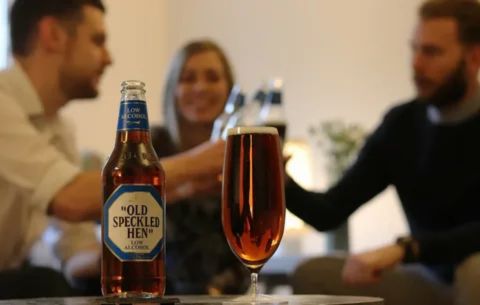
Today, the answer to can Quakers drink alcohol depends largely on the individual and their local meeting. Modern Quakers emphasize personal responsibility and spiritual guidance rather than strict rules.
Many Quakers do drink alcohol occasionally or in social settings, as long as it doesn’t lead to harm, addiction, or behavior that goes against their values of peace, integrity, and community. Others choose to remain alcohol-free as a personal health or spiritual decision.
Different branches also approach the topic differently. Some evangelical Quaker groups are more cautious about alcohol use, while liberal or unprogrammed meetings are generally open to moderation. Ultimately, Quakers focus on mindful choices — ensuring their actions support well-being, respect, and clear thinking.
Alcohol and Quaker Beliefs — What Guides the Choice?
Quakers, also known as the Religious Society of Friends, emphasize personal integrity, simplicity, and community responsibility. While the faith does not issue strict, universal rules about alcohol, the guiding principle is often moderation and mindfulness of one’s impact on others.
Many Quakers choose to abstain from alcohol as a way to honor these values, promoting clarity of mind and fostering harmony within their community. Decisions are generally left to individual conscience, reflecting the Quaker belief in inner guidance and personal discernment. Ultimately, the choice to drink—or abstain—is shaped by a commitment to ethical living, spiritual reflection, and the desire to avoid behaviors that may harm oneself or the wider community.
How Quakers Approach Health, Wellness & Addiction
Quakers prioritize holistic well-being, viewing health as a balance of mind, body, and spirit. Their faith encourages self-awareness, personal responsibility, and care for others, which naturally extends to practices that support wellness.
Many Quakers emphasize moderation in lifestyle choices, including diet, exercise, and habits like alcohol consumption, as a reflection of their commitment to simplicity and integrity. When it comes to addiction, Quakers often advocate compassionate support and community-based guidance rather than judgment, fostering environments where individuals can seek help without shame.
Spiritual reflection, silent contemplation, and mutual accountability within Quaker meetings provide emotional and mental support, helping members address challenges with clarity and resilience. By integrating personal discernment with collective encouragement, Quakers approach health and addiction through a balanced lens—promoting prevention, mindful living, and recovery while respecting individual conscience and the importance of ethical, mindful choices.
FAQs: Alcohol and Quakers
1. Can Quakers drink alcohol at home?
Yes, Quakers can drink alcohol at home, but the key is mindfulness. The faith encourages moderation and self-awareness, ensuring that drinking does not harm one’s health, cloud judgment, or negatively affect family and community relationships.
2. Can Quakers drink wine or beer?
Most modern Quakers allow moderate consumption of wine or beer. The emphasis is on personal discernment, responsible use, and avoiding overindulgence, rather than following strict prohibitions.
3. Do Quakers consider alcohol sinful?
Quakers generally do not label alcohol itself as sinful. However, intoxication or behavior that harms oneself or others is discouraged. The spiritual focus is on integrity, clarity, and mindful living rather than strict moral condemnation.
4. Why did some early Quakers oppose alcohol?
Early Quakers often opposed alcohol due to the temperance movement and concerns about social harm. Excessive drinking was seen as disruptive to families, communities, and spiritual life, motivating many to abstain entirely.
5. Are Quakers more flexible about alcohol today?
Yes, Quakers today are diverse in their practices. Some abstain completely, while others enjoy moderate drinking responsibly. Personal conscience and community guidance play central roles in shaping individual choices.