
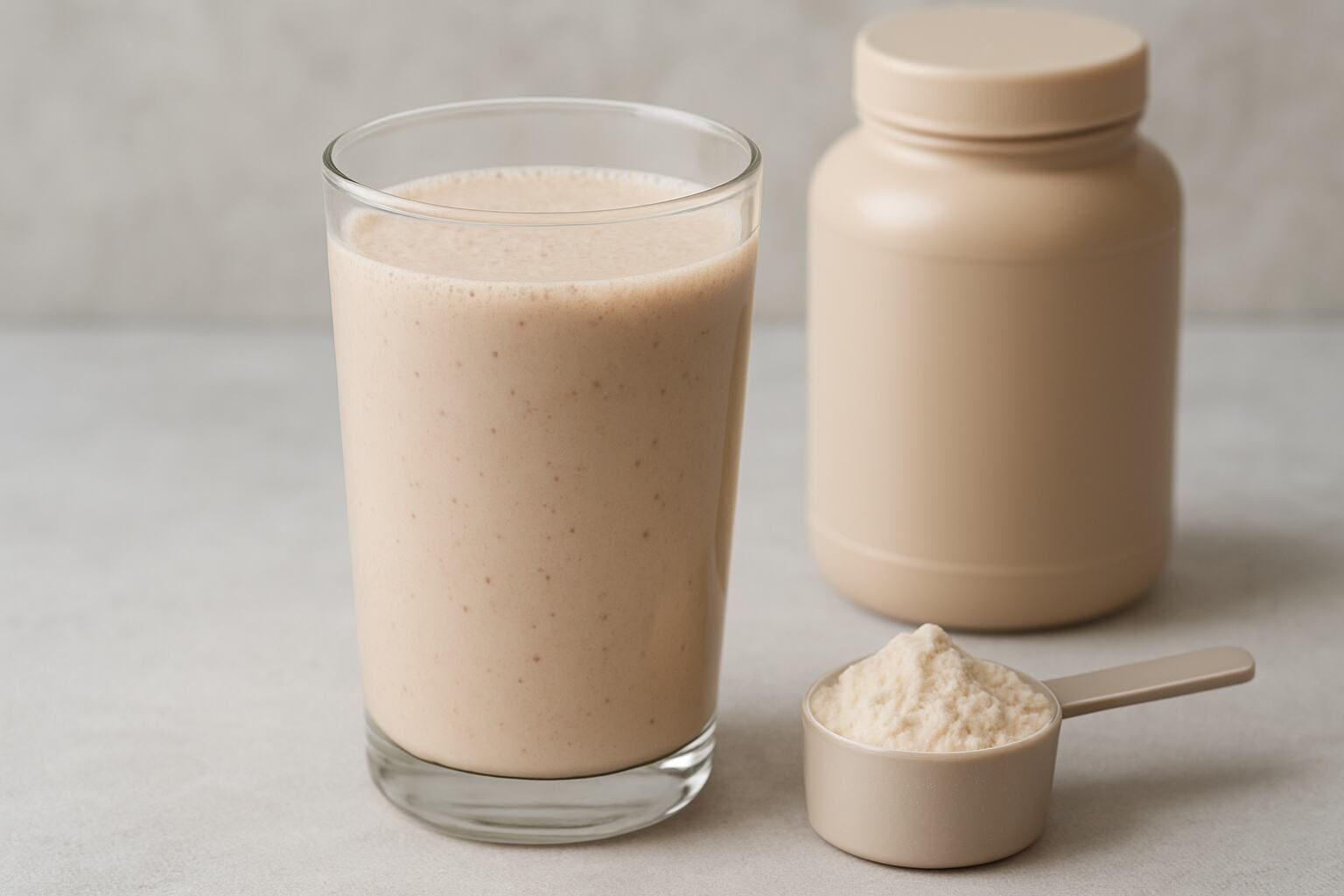
Yes, protein drinks can sometimes cause constipation, but it’s usually not the protein itself. The main reasons include low fiber intake, dehydration, dairy-based proteins like whey or casein, and certain additives or sweeteners.
Choosing fiber-rich foods, staying hydrated, and selecting easily digestible protein powders — such as plant-based options — can help prevent digestive issues while enjoying your protein shakes.
Introduction
Protein drinks have become a daily staple for athletes, gym-goers, and anyone trying to boost their nutrition. They’re convenient, quick to prepare, and help support muscle recovery. But as more people rely on shakes, one question keeps coming up — can protein drinks cause constipation?
For some, protein shakes make digestion feel sluggish or irregular. The reason isn’t always the protein itself but how it interacts with your overall diet. Low fiber intake, dehydration, or certain ingredients in protein powders can all affect bowel movements. Understanding how these factors connect is key to preventing discomfort while maintaining a high-protein diet.
In this guide, we’ll explore what causes constipation from protein shakes, how to choose digestion-friendly options, and practical ways to keep your gut healthy — without giving up your favorite protein drink.
Understanding Constipation and Its Link to Protein Drinks
Constipation happens when bowel movements become infrequent or difficult, often leaving you feeling bloated or uncomfortable. While occasional constipation is common, some people notice it more often when they start using protein drinks or following a high-protein diet. So, can protein drinks cause constipation directly? Not always — but they can contribute to it under certain conditions.
Many protein shakes are low in fiber, a nutrient that helps move waste through the digestive tract. Without enough fiber or fluids, stools can harden, slowing down digestion. In addition, some protein powders — especially whey or casein — contain dairy, which may trigger digestive issues or constipation in people with lactose intolerance.
In short, the issue isn’t just the protein itself. It’s how your body responds to your total diet, hydration, and the ingredients inside your favorite shake.

Why Protein Drinks May Cause Constipation
If you’ve ever wondered why protein drinks cause constipation, the answer usually lies in what’s missing — not what’s added. Most protein shakes are low in fiber, especially those made with refined whey or casein protein. When fiber is lacking, stools become harder and move more slowly through the intestines, leading to constipation from protein shakes.
Hydration also plays a key role. A high-protein diet increases your body’s water needs, and when you don’t drink enough fluids, digestion can slow down. Some protein powders contain artificial sweeteners or sugar alcohols that may irritate the gut, worsening the issue.
Are Protein Drinks Always to Blame?
It’s easy to assume that protein drinks cause constipation, but they’re rarely the only factor. Constipation often results from a combination of low fiber intake, dehydration, and limited physical activity rather than the protein itself. Many people tolerate protein shakes just fine when they balance their diet with enough fruits, vegetables, and whole grains.
Think of your protein drink as one piece of your overall nutrition plan — not the sole culprit. By staying hydrated, adding fiber-rich foods, and choosing digestive-friendly protein powders, most people can enjoy the benefits of high-protein diets without experiencing constipation or gut discomfort.

Types of Protein Drinks and Their Digestive Impact
Not all protein drinks affect digestion the same way. Understanding the type of protein in your shake can help you reduce the risk of constipation while still meeting your nutrition goals.
Whey Protein: Whey is a fast-digesting, dairy-based protein that’s popular for muscle recovery. However, it can contribute to constipation from protein shakes, particularly in people who are lactose intolerant. Symptoms may include bloating, gas, and hard stools. If you notice these issues, a lactose-free whey or switching to another protein type may help.
Casein Protein: Casein digests slowly, which can be beneficial overnight but may slow bowel movements for some. Those prone to protein shake constipation might experience discomfort if their diet is low in fiber or fluids.
Plant-Based Proteins: Pea, hemp, and rice proteins are generally gentler on digestion. They often include small amounts of fiber naturally, which supports gut health and regular bowel movements. Plant-based protein versus dairy protein is a key consideration for anyone dealing with protein shakes digestive issues.
Meal Replacement Shakes: Some shakes contain high amounts of protein but very little fiber. Low-fiber meal replacement shakes can slow digestion and cause constipation from protein drinks if consumed frequently without additional fiber or hydration.
Artificial Additives: Sweeteners, flavorings, and sugar alcohols in any protein drink can irritate the gut. Even plant-based options can contribute to digestive discomfort if additives are present.
In summary, the digestive impact of protein drinks depends largely on the protein type, fiber content, and other ingredients. Choosing the right protein and pairing it with a fiber-rich diet and proper hydration can prevent most bowel movement issues while keeping your high-protein diet effective.
Signs You Might Be Constipated from Protein Drinks
Noticing changes in your digestion after starting protein drinks can help you identify if they’re causing constipation. Common signs include fewer than three bowel movements per week, hard or dry stools, straining during elimination, and bloating. Some people may also experience gas or abdominal discomfort, especially with whey protein digestive problems or artificial sweeteners in their shakes.
Pay attention to your body’s signals. If your high-protein diet consistently leaves you feeling sluggish or irregular, it may indicate that your protein shakes are contributing to digestive issues. Tracking fiber intake, hydration, and protein type can help determine the cause and guide adjustments to support gut health.
How to Prevent Constipation from Protein Drinks
Preventing constipation while enjoying protein drinks starts with a few simple habits. First, increase your dietary fiber intake through fruits, vegetables, whole grains, or fiber-rich snacks. Fiber helps move stools through the digestive tract, reducing protein shake constipation.
Hydration is equally important — aim for at least 2–3 liters of water daily, especially on a high-protein diet, to keep stools soft and support gut motility. Choosing plant-based protein powders or lactose-free options can also ease digestion. Avoid shakes with excessive artificial sweeteners or sugar alcohols, which may irritate the gut.
Regular physical activity further promotes healthy bowel movements, ensuring your protein drink routine doesn’t interfere with your digestive health.
FAQs About Protein Drinks and Constipation
Q1: Why do protein shakes cause constipation?
Protein shakes can cause constipation when they are low in fiber or consumed without enough water. Dairy-based proteins like whey or casein may slow digestion, especially in people with lactose intolerance. High-protein diets without adequate fiber often contribute to protein shakes digestive issues.
Q2: Which protein drinks are easiest to digest?
Plant-based protein powders such as pea, hemp, or rice are generally easier on the gut. They often contain some fiber, which supports regular bowel movements and gut health.
Q3: How can I relieve constipation caused by protein shakes?
Increase your fiber intake with fruits, vegetables, or oats, drink plenty of water, and consider switching to plant-based protein shakes or lactose-free whey. Reducing artificial sweeteners also helps.
Q4: Does whey protein make you constipated?
It can, particularly in individuals who are lactose intolerant or under-hydrated. Monitoring fluid intake and fiber can reduce constipation from protein shakes.
Q5: How much water should I drink with protein shakes?
Aim for 2–3 liters of water daily when following a high-protein diet. Adequate hydration improves gut motility and prevents protein shake bowel issues.
Q6: Can too much protein powder cause digestive issues?
Yes. Overconsumption can overwhelm your digestive system, causing bloating, gas, or constipation. Moderation and balanced nutrition are key.