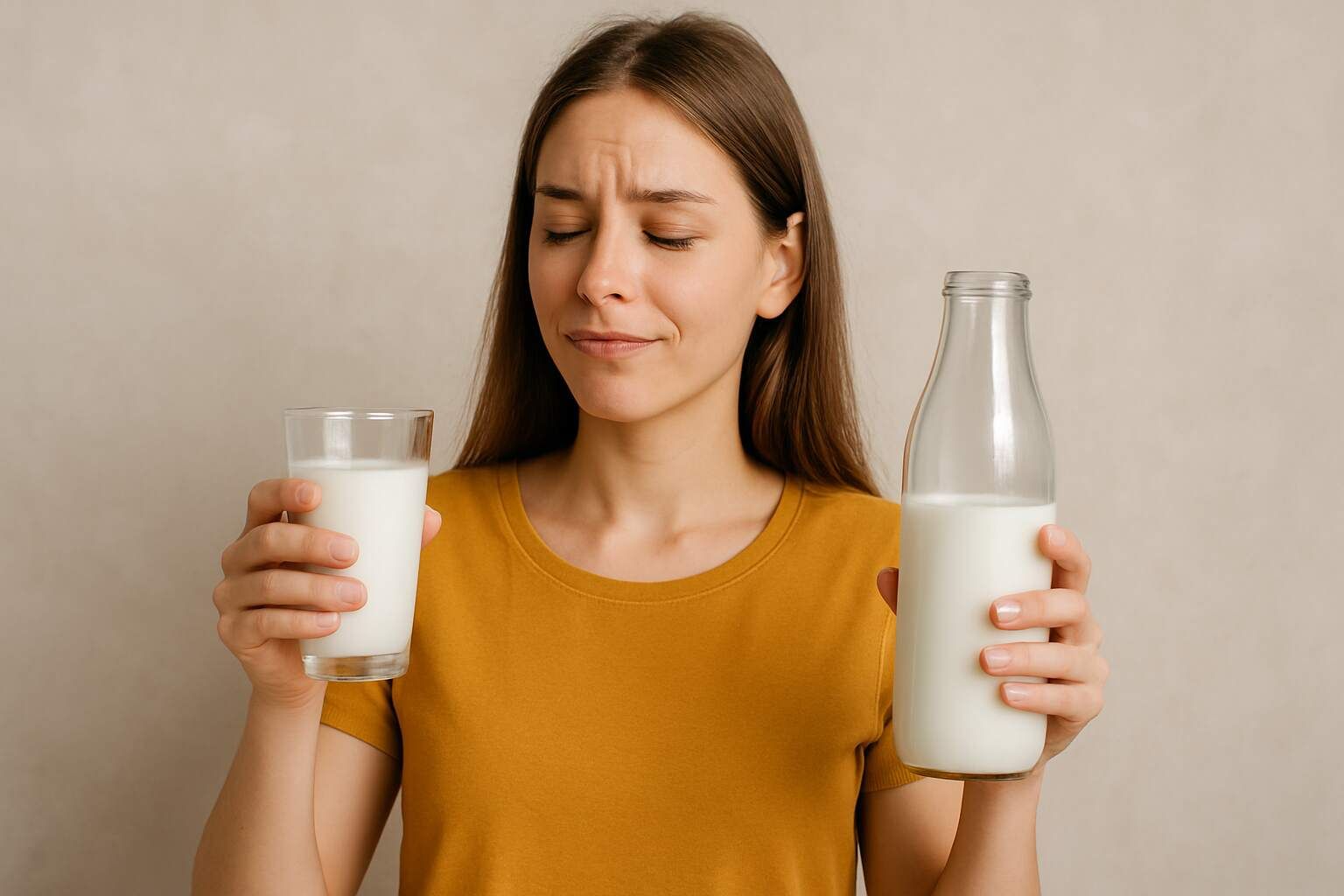
No — vegans avoid all animal-derived products, including cow’s milk, goat milk, and other dairy. Plant-based alternatives like almond, soy, oat, and coconut milk provide similar nutrients while aligning with ethical, environmental, and health-conscious choices.
Introduction
When people first switch to a vegan lifestyle, one of the biggest questions that comes up is: can vegans drink milk? On the surface, milk seems like a harmless everyday food — it’s just dairy from cows, right? But veganism isn’t only about the foods we eat. It’s also about avoiding products that come from animals or support animal exploitation. Since cow’s milk, goat milk, and other dairy-based products come directly from animals, they don’t fit into a vegan diet. That’s why vegans choose dairy-free and plant-based alternatives instead. Understanding the “why” behind this choice can help you make more informed decisions — whether you’re fully vegan, transitioning, or simply curious about how dairy fits into a vegan diet.
What Vegan Means & Why It Matters
To understand why vegans don’t drink milk, it helps to look at what veganism actually means. A vegan lifestyle avoids anything made from, tested on, or taken from animals — this includes meat, eggs, cheese, and dairy milk. The idea is simple: if it comes from an animal, it’s not vegan. Many people assume dairy is a separate issue from meat, but both are linked to the same industry and rely on animals for production. That’s why the question “can vegans drink milk?” has a clear answer: no, milk isn’t vegan because it isn’t plant-based. Vegans choose foods that support animal welfare, reduce environmental impact, and promote a kinder, more sustainable lifestyle. Understanding this core principle helps explain why dairy-free living is such a key part of the vegan diet.
Ethical Reasons Vegans Avoid Milk
One of the biggest reasons vegans don’t drink milk is due to concerns about how dairy is produced. Many people are surprised to learn that cows don’t naturally produce milk year-round. Like humans, they only lactate after giving birth. In the dairy industry, cows are repeatedly impregnated so they continue producing milk for human consumption. Shortly after birth, calves are usually separated from their mothers — a practice many view as emotionally and physically harmful to both animals. Male calves, who can’t produce milk, often end up in the veal or beef industry.
These realities lead vegans to avoid dairy entirely because it supports a system built on animal exploitation. For vegans, the goal isn’t just to change what’s on their plate — it’s to support choices that reduce suffering and respect animals’ right to a natural, humane life.
Health & Nutrition — Why Vegans Choose Dairy-Free
Beyond ethics, many people avoid dairy for health reasons. Some experience lactose intolerance, digestive issues, bloating, or skin flare-ups linked to dairy. Choosing dairy-free options can help reduce those symptoms while still supporting a balanced diet. Even though milk contains calcium and protein, plant-based milk alternatives like soy, almond, oat, and coconut milk can offer similar — or even better — nutritional benefits when fortified. Soy milk, for example, provides protein similar to cow’s milk, while fortified almond and oat milks offer calcium and vitamin D without cholesterol or hormones.
So, when people ask “can vegans drink milk?”, one part of the answer is simple: vegans prefer choices that support overall wellness. Dairy-free living gives them access to the nutrients they need while avoiding potential health effects tied to animal-based dairy. It’s a win for health and a win for animals.
If Not Milk — What Do Vegans Drink Instead?
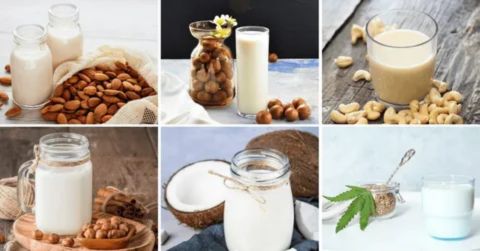
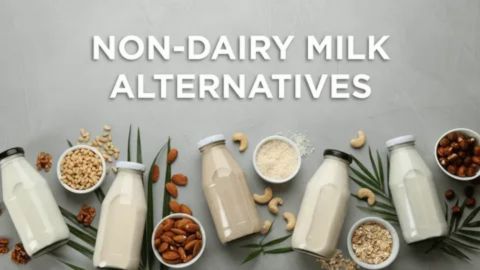
Since vegans don’t drink milk, they turn to a wide variety of plant-based alternatives that are both delicious and nutritious. Popular options include almond milk, soy milk, oat milk, and coconut milk. Each has its own benefits: soy milk is high in protein, oat milk is creamy and naturally sweet, and almond milk is low in calories while often fortified with calcium and vitamin D. Coconut milk adds richness to smoothies and cooking.
Many plant-based milks are fortified to provide essential nutrients found in cow’s milk, like calcium, vitamin B12, and vitamin D, ensuring that vegans can meet their dietary needs without compromising their ethics. Beyond traditional plant-based options, some vegans experiment with hemp milk, rice milk, or cashew milk for unique flavors and textures. Choosing the right milk alternative allows vegans to enjoy cereal, coffee, baking, and smoothies — all without consuming dairy.
Common Misconceptions About Vegan Milk Rules
There’s a lot of confusion around the question: can vegans drink milk? Some think lactose-free milk or goat milk might be acceptable since they’re sometimes easier to digest, but these are still animal-derived products and not vegan. Another misconception is that occasional dairy “doesn’t count” if someone identifies as vegan, but veganism is about avoiding all animal exploitation consistently, not just most of the time.
Plant-based alternatives can also cause confusion. Some people assume that all “milk” is dairy, but almond, soy, oat, and coconut milk are completely vegan. Understanding these rules helps clarify why vegans avoid traditional milk while still enjoying milk in other forms. The focus is on ethical, health-conscious, and sustainable choices rather than strict avoidance for its own sake.
Can Vegans Drink Milk During Transition?
For people switching to a vegan lifestyle, the transition away from dairy can feel challenging. Some ask, “can vegans drink milk” during this period, especially if they’re used to daily consumption. While the goal is to eliminate animal-derived products completely, many transitioning vegans take a gradual approach. This might mean slowly replacing cow’s milk with plant-based alternatives like almond, soy, or oat milk until the change feels sustainable.
During this transition, focusing on fortified non-dairy milks ensures adequate intake of nutrients like calcium, vitamin D, and B12. The key is progress, not perfection. Over time, most people find that dairy-free living becomes natural, enjoyable, and aligned with both ethical and health-conscious choices.
Choosing the right vegan milk depends on taste, nutrition, and use. Soy milk offers protein, almond and oat milk are great for smoothies, and coconut milk adds creaminess. Look for fortified options with calcium and vitamins to match cow’s milk, supporting both health and ethical choices.
FAQs About Can Vegans Drink Milk
Q1: Can vegans drink milk from cows?
No. Dairy milk comes directly from animals, so vegans don’t drink milk from cows or other animals. The goal is to avoid all products that involve animal exploitation.
Q2: Can vegans drink almond milk?
Yes! Almond milk is completely plant-based, making it a popular vegan milk substitute. It’s often fortified with calcium and vitamin D to match the nutritional benefits of cow’s milk.
Q3: Can vegans drink goat milk?
No. Goat milk is still an animal product, so it’s not vegan-friendly.
Q4: Is lactose-free milk vegan?
No. Lactose-free milk is still dairy, so it’s not vegan. The lactose is removed, but it’s derived from animals.
Q5: Can vegans drink milk occasionally?
Ethical vegans avoid dairy entirely. While some transitioning vegans may reduce intake gradually, true veganism excludes all animal milk.
Q6: Why don’t vegans drink milk?
Vegans avoid milk due to ethical, environmental, and health reasons, as dairy production involves animal exploitation and potential negative health impacts.
Q7: What milk can vegans drink?
Vegans can enjoy soy, almond, oat, coconut, hemp, and rice milk, often fortified with essential nutrients like calcium, vitamin B12, and vitamin D.