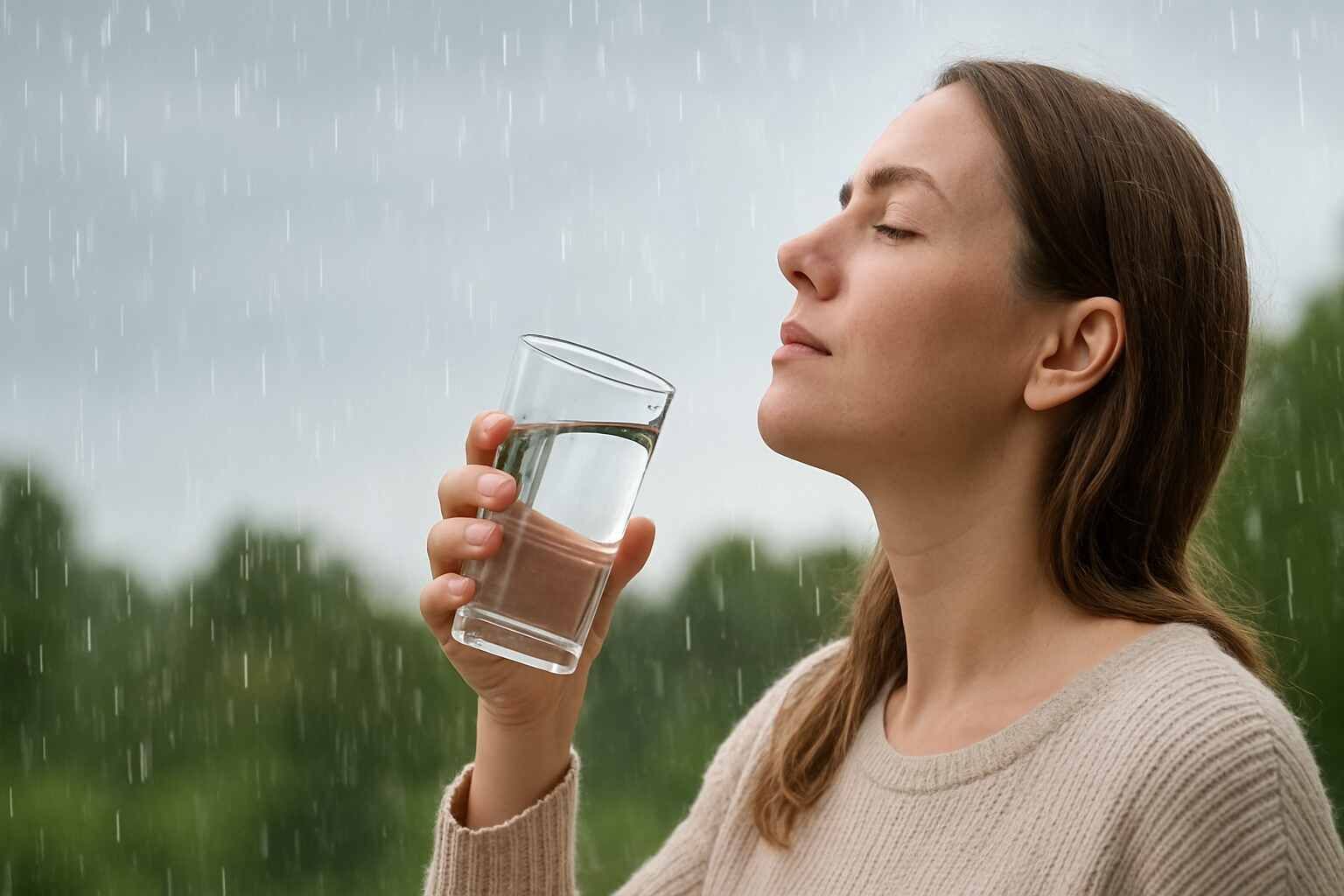
Yes, you can drink rain water from the sky, but only if it’s properly collected and purified. Fresh rain may seem clean, but it can contain dust, bacteria, and pollutants from the atmosphere and surfaces it touches.
To make it safe, filter, boil, or use purification tablets before drinking. This ensures you get clean, safe water while avoiding harmful contaminants.
Introduction
There’s something refreshing about the idea of catching rain straight from the sky — pure, natural, and untouched by pipes or chemicals. But the real question is: can you drink rain water from the sky safely? Many people assume that since rain forms from evaporated water, it must be clean. However, that’s not always true.
As raindrops fall, they can collect dust, bacteria, and even traces of pollution from the air. In some cases, what looks crystal clear might actually contain microscopic contaminants. Whether you’re thinking of collecting rainwater for drinking or just curious about its safety, it’s important to understand where rainwater comes from, what affects its quality, and how to make it safe to consume.
This guide breaks down the facts — from rainwater safety and treatment methods to practical tips for collecting and using rainwater responsibly.
What Is Rainwater and How It Forms
Rainwater begins its journey as vapor rising from oceans, lakes, and rivers. Through the water cycle, this vapor cools, condenses into clouds, and eventually falls back to the earth as rain. In its purest form, rainwater is soft and free from salts or minerals, which is why it often feels light and refreshing.
However, before it reaches your hands, rain passes through layers of air that may contain dust, smoke, and industrial emissions. These particles dissolve into the falling drops, changing the composition of the water. Factors like urban pollution, acid rain, and airborne contaminants determine how safe that rain is to drink.
So, while it might seem like you can drink rain water from the sky, its purity depends heavily on your environment. Understanding how it forms helps explain why rain isn’t always the clean, natural source many people imagine it to be.
Is Rainwater from the Sky Safe to Drink?
The short answer is — not always. While it may look clean, rainwater from the sky can carry contaminants that make it unsafe to drink. As it falls, it absorbs airborne pollutants, bacteria, and even traces of heavy metals from industrial emissions. In urban or polluted areas, these impurities can make the water unsuitable for consumption without treatment.
Studies have found that even in remote regions, PFAS chemicals and microplastics are present in rainwater due to global pollution. That means no matter where you live, untreated rain isn’t guaranteed to be pure. So, while you can drink rain water from the sky in theory, it’s essential to filter or boil it first to ensure it’s truly safe for drinking.
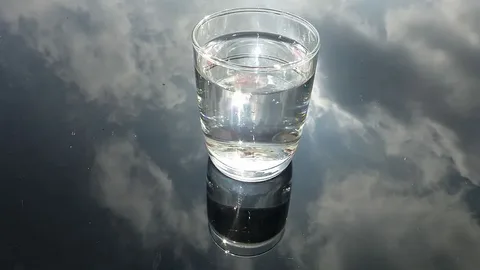
How Rainwater Becomes Contaminated When Collected
Even if rainwater from the sky starts out relatively clean, the way it’s collected can quickly change its quality. When rain lands on rooftops, it can pick up dust, bird droppings, leaves, and chemical residues. Roof materials like asphalt or lead flashing can leach harmful substances into the water. As the water travels through gutters and pipes, it often carries debris and microbes into storage tanks.
If the collected rainwater is stored in open or unclean containers, it can develop bacterial growth, algae, and unpleasant odors. Over time, stagnant water becomes a breeding ground for pathogens. Installing a first-flush diverter system and keeping your rain barrel or tank sealed and clean are essential steps to prevent contamination and make the water safer for household use.
How to Make Rainwater Safe for Drinking
If you plan to drink rain water from the sky, proper treatment is non-negotiable. Start by filtering out visible debris using a fine mesh or sediment filter. Next, boil the rainwater for at least 5–10 minutes to kill bacteria, viruses, and parasites. For extra safety, consider UV purification or chlorine tablets to disinfect any remaining pathogens.
Advanced systems, such as reverse osmosis or activated carbon filters, can remove heavy metals, PFAS, and other microscopic contaminants. Always use a clean, food-grade storage tank with a tight lid to prevent insects and dust from getting in. Finally, test your rainwater regularly for pH, bacteria, and chemical content. With the right setup, rainwater collection systems can supply clean, safe water — but only when properly treated and maintained.
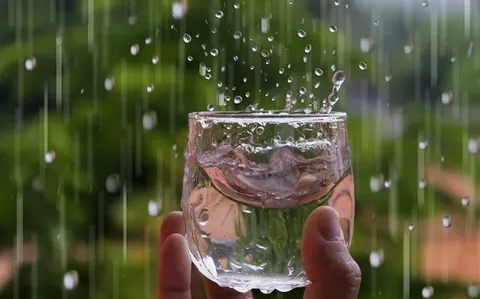
Benefits and Drawbacks of Drinking Rainwater
| Benefits of Drinking Rainwater | Drawbacks of Drinking Rainwater |
|---|---|
| Renewable, sustainable water source | Risk of contamination from bacteria, pollutants, and heavy metals |
| Naturally soft water with no chlorine or fluoride | PFAS chemicals and microplastics may be present even in remote areas |
| Reduces reliance on treated tap water | Requires proper filtration, boiling, or purification |
| Useful for rural or off-grid households | Storage tanks must be clean and well-maintained |
| Can serve as a backup during water shortages | Initial investment needed for filters, tanks, and testing tools |
| Eco-friendly option for conscious users | Untreated rainwater is not automatically safe to drink |
Practical Tips for Households and Travellers
If you’re planning to drink rain water from the sky, safety starts with how you collect it. For households, always use a clean roof, non-toxic gutters, and a covered storage tank. Install a first-flush diverter to discard the initial rainfall that washes off dirt and debris. Regularly clean your barrels or tanks and replace filters as needed.
For travellers or campers relying on rainwater, collect directly in clean containers, away from polluted or industrial areas. Always boil or filter before drinking, even if the water looks clear. A portable UV sterilizer or carbon filter is great for outdoor use. Whether at home or in the wild, proper treatment ensures your rainwater for drinking stays safe and healthy.
Frequently Asked Questions (FAQ)
Q1. Can you drink rain water from the sky directly?
Yes, but only under very clean conditions. Freshly falling rain in unpolluted areas can be safe in small amounts. However, in most regions, rain picks up dust, bacteria, and industrial pollutants, so it’s best to filter or boil it before drinking.
Q2. Is rainwater healthier than tap water?
Not necessarily. Tap water is regulated and treated, while rainwater from the sky is untreated and may contain microplastics or PFAS chemicals. Once purified, rainwater can be a healthy alternative, but it’s not inherently superior.
Q3. How can I make rainwater safe to drink?
Use multi-step treatment: filter for debris, boil or disinfect, then store in a sealed, food-grade container.
Q4. Is collecting rainwater legal?
In most countries and U.S. states, collecting rainwater for personal use is legal, but using it as drinking water may require specific treatment standards or permits.
Q5. What’s the safest way to collect it?
Use clean roofs, non-toxic materials, and install a first-flush diverter to ensure only cleaner rainwater enters your storage system.