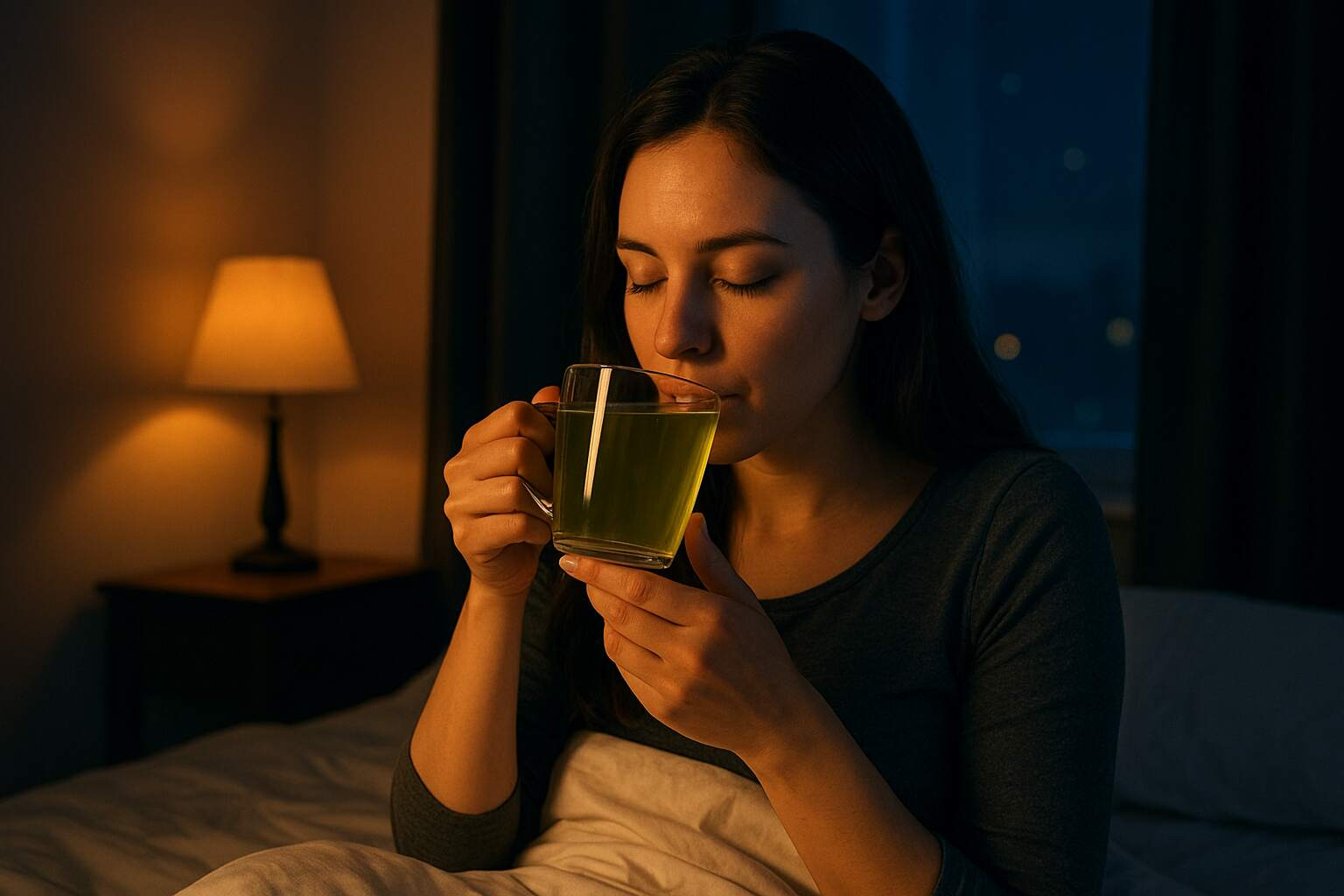
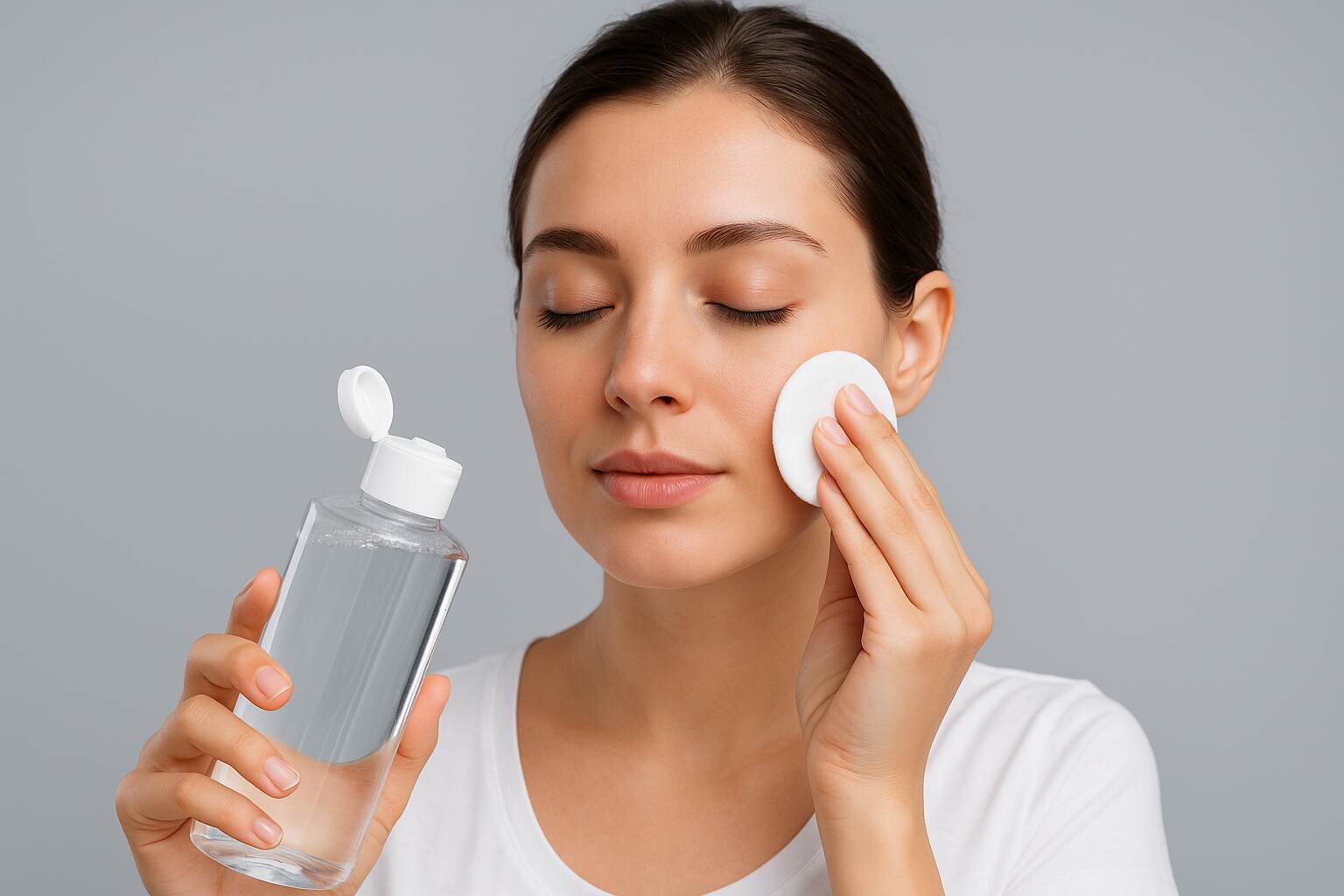
No, you should not drink micellar water, because it contains surfactants, preservatives, and cleansing agents that aren’t meant for ingestion. Even small amounts can cause nausea, stomach irritation, or diarrhea, and larger amounts may lead to more serious discomfort.
Micellar water is designed strictly for topical skin cleansing, not internal use, so if you accidentally swallow some, dilute with water and monitor symptoms.
Introduction
If you’ve ever wondered can you drink micellar water, you’re not alone. The product looks like clear, simple water, so it’s natural to assume it might be harmless to ingest. But micellar water isn’t just water — it contains surfactants, micelles, and skincare additives that are meant strictly for external use.
While accidentally swallowing a tiny amount usually isn’t dangerous, intentionally drinking micellar water can lead to nausea, stomach irritation, and other digestive discomforts.
Understanding what micellar water is made of and how those ingredients behave inside the body is key. This guide explains what happens if you ingest it, why it isn’t considered safe to drink, and what you should do if it happens by mistake.
The goal is to give you clear, evidence-backed insight so you can make informed choices about using — and not consuming — micellar water.
What Is Micellar Water?
Micellar water is a gentle cleansing liquid made from purified water, mild surfactants, and hydrating ingredients like glycerin. These surfactants form tiny oil-attracting clusters called micelles, which lift dirt, oil, and makeup from the skin without the need for rinsing. Although it looks like plain water, micellar water is a cosmetic product—not something designed for drinking or internal use.
Because people often ask “can you drink micellar water?”, it’s important to understand what’s actually in it. Micellar water contains cleansing agents similar to those found in shampoos and facial cleansers—safe for topical use but not intended for ingestion. These ingredients can irritate the stomach or digestive tract if swallowed, even in small amounts.
Used correctly on the skin, micellar water is appreciated for its simplicity and convenience, especially for sensitive skin. But its composition makes it strictly a skincare product, not a drinkable one.
What Happens If You Swallow Micellar Water?
If you accidentally swallow micellar water, the good news is that it’s not usually highly toxic, but it can still cause several uncomfortable reactions. Micellar water contains surfactants, mild detergents that lift dirt and oil from the skin.
When these ingredients enter your digestive system, they can irritate the stomach lining and trigger symptoms like nausea, cramping, vomiting, or diarrhea. These reactions aren’t typically dangerous, but they happen because your body isn’t meant to process cosmetic-grade cleansers.
Most cases of micellar water ingestion reported to Poison Control involve mild, short-lived symptoms. Still, the experience can be unpleasant, especially if the product contains fragrances or preservatives that your body reacts to more strongly. If someone swallows a small amount, sipping water can help dilute the solution. However, if symptoms worsen, contacting a medical professional or Poison Control is always the safest option.
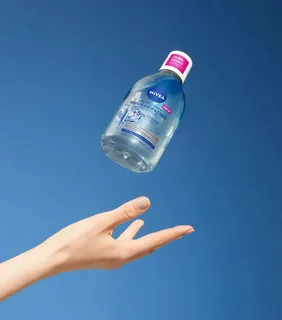
Is It Safe to Drink Micellar Water on Purpose?
Drinking micellar water on purpose is not considered safe, even though small accidental swallows are usually not harmful. Micellar water is designed strictly for external skincare use, not consumption.
Its formula contains surfactants, preservatives, and cleansing agents that help lift dirt and oil from the skin, but these same ingredients can irritate the digestive system when ingested. Even mild surfactants can trigger nausea, stomach discomfort, diarrhea, or throat irritation—all symptoms reported by Poison Control in cases of cosmetic ingestion.
Another concern is that micellar water is not produced under food-grade or sterile conditions, meaning it may contain trace chemicals that aren’t suitable for drinking. While it’s not classified as poisonous, it’s still a cosmetic cleansing solution, not a beverage.
For these reasons, experts and health organizations consistently recommend avoiding intentional consumption and treating micellar water the way you would any skincare product—safe on skin, but not in your stomach.
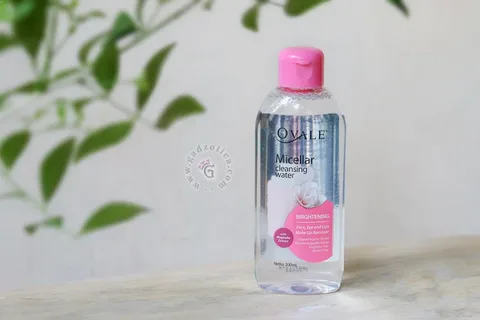
Alternatives to Micellar Water for Gentle Cleansing
If you’ve ever wondered can you drink micellar water, it’s a good reminder that this product is strictly for topical use—and fortunately, there are plenty of safe and effective alternatives for cleansing your skin. Cream cleansers are a great choice for dry or sensitive skin because they use gentle emollients instead of surfactants, helping remove makeup without stripping moisture.
Gel cleansers work well for combination or oily skin types; they lift away excess oil and impurities while keeping the skin barrier intact. If you prefer something mild and hydrating, fragrance-free hydrating face washes use soothing ingredients like glycerin or hyaluronic acid to cleanse without irritation.
All these alternatives avoid the mild detergents found in micellar water, making them ideal for people concerned about residue or skin sensitivity. They also eliminate any risk associated with accidental ingestion—another reason to keep micellar water away from your mouth and stick to cleansers designed strictly for skin care.
FAQs: Can You Drink Micellar Water?
1. Is it dangerous to drink micellar water?
Accidentally drinking a small amount of micellar water is usually not dangerous, but it’s not considered safe. Micellar water contains surfactants, preservatives, and cleansing agents that can irritate your mouth, throat, and stomach. It may lead to nausea, vomiting, or diarrhea, especially if you swallow more than a tiny sip.
2. What should I do if I accidentally swallow micellar water?
Rinse your mouth and drink a bit of clean water to dilute any residue. Watch for stomach upset or irritation. If symptoms worsen, call Poison Control or a healthcare provider for guidance.
3. Why isn’t micellar water safe to drink?
Micellar water is formulated for topical cleansing, not ingestion. Even though it looks like plain water, it contains micelles, fragrances, and chemical surfactants that aren’t meant to enter your digestive system.
4. Can children or pets get sick from ingesting micellar water?
Yes, they’re more sensitive. Even small amounts can cause gastrointestinal irritation. Keep micellar water out of reach and call a professional if a child or pet drinks it.
5. Does micellar water contain toxic ingredients?
Most products don’t contain highly toxic chemicals, but ingesting surfactants can irritate the digestive tract. Some formulas contain alcohol, fragrance, or preservatives that may increase discomfort if swallowed.
6. Can you drink micellar water if it’s diluted?
No. Dilution doesn’t make it safe because the surfactants and cleansers remain present. It’s never intended to be a drinkable product.
7. Is micellar water safe for sensitive skin?
Many people with sensitive skin tolerate micellar water well, but some may still experience dryness or irritation, especially if the product isn’t fully rinsed off. Choose fragrance-free versions for best results.
8. What should I use instead of micellar water for cleansing?
Gentle alternatives include cream cleansers, hydrating gel washes, or oil cleansers, especially if you prefer minimalist skincare without harsh surfactants.