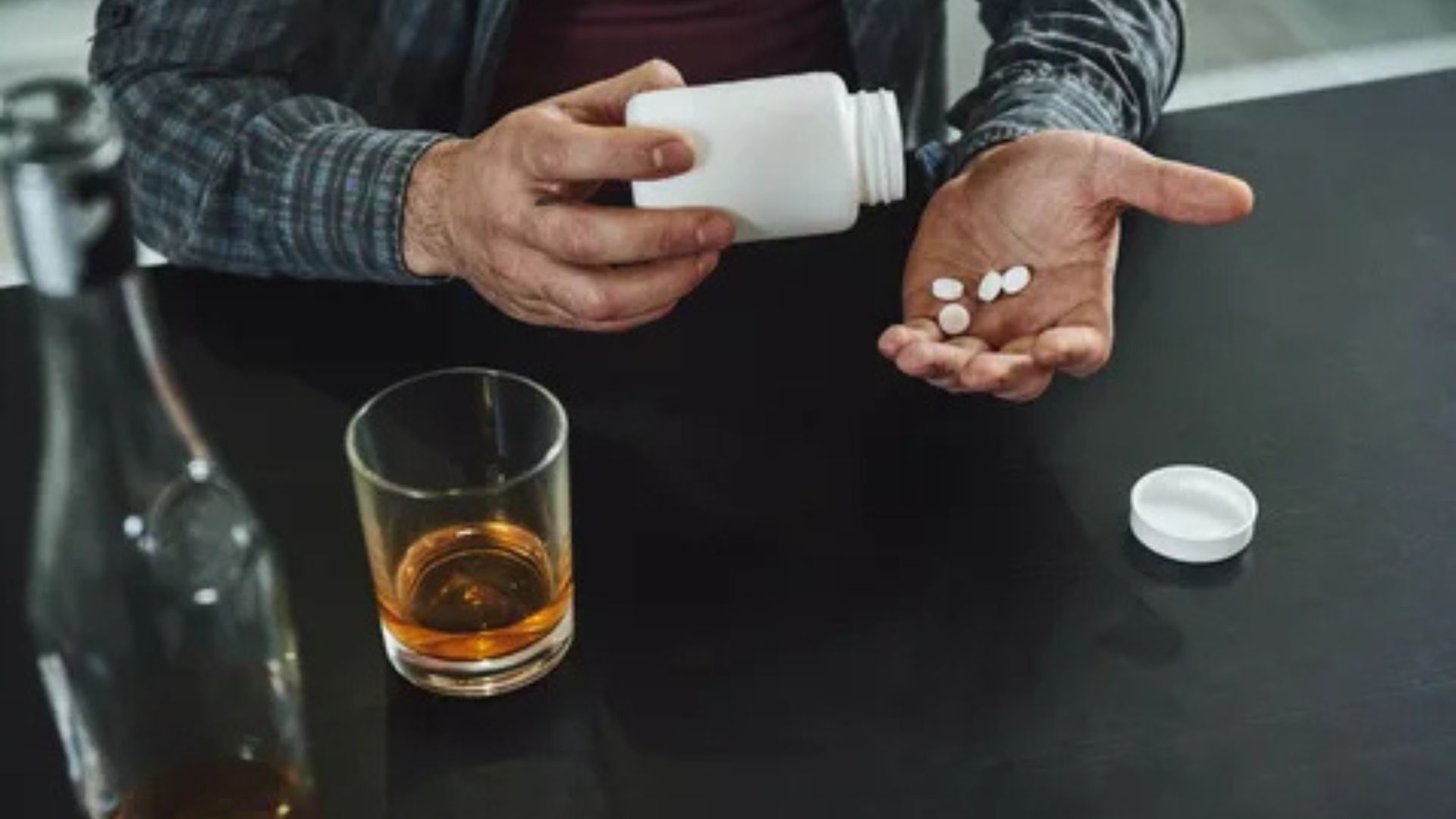
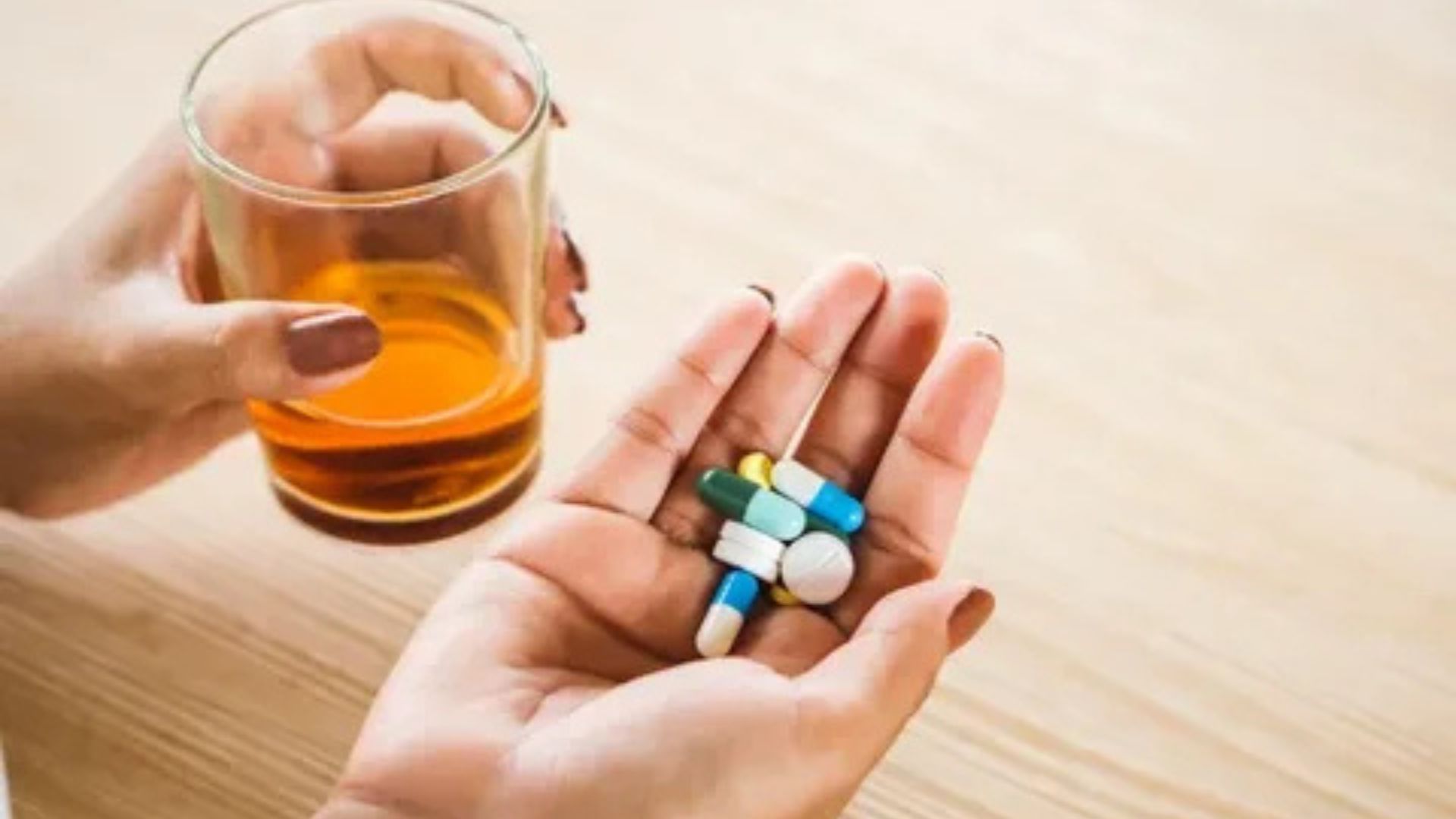
No, you should avoid drinking alcohol while taking Vyvanse. Mixing the two can cause dangerous interactions, including increased heart strain, impaired judgment, and intensified side effects.
Since Vyvanse is a stimulant and alcohol is a depressant, their opposing effects put stress on your body and may mask how intoxicated you are. Doctors recommend avoiding alcohol completely during treatment to stay safe and get the full benefits of your medication
Can You Drink on Vyvanse?
Vyvanse is a prescription stimulant commonly used to treat ADHD and binge eating disorder. It works by increasing certain brain chemicals that improve focus, alertness, and impulse control. But a question many people ask is: can you drink on Vyvanse?
Mixing alcohol with ADHD medications like Vyvanse is risky because both substances affect the central nervous system in opposite ways. Vyvanse acts as a stimulant, while alcohol is a depressant. When combined, this contrast can put serious strain on your heart, liver, and mental health. Even a small amount of alcohol may intensify side effects, impair judgment, and mask how intoxicated you really are.
Before reaching for a drink, it’s important to understand the short- and long-term dangers of combining alcohol with Vyvanse. In this guide, we’ll explore how the two interact, what doctors recommend, and whether there’s ever a safe time to drink while taking Vyvanse.
What Happens If You Mix Vyvanse and Alcohol?
When asking, can you drink on Vyvanse, it’s vital to know how the two interact. Vyvanse stimulates the nervous system, increasing heart rate, blood pressure, and alertness. Alcohol does the opposite—it slows brain activity, coordination, and reaction time. When taken together, these effects clash, creating unpredictable reactions. Some people feel less drunk than they actually are, raising the risk of alcohol poisoning or dangerous behavior. Others may experience heightened anxiety, nausea, or heart palpitations. Even moderate drinking can strain your body when combined with Vyvanse, which is why doctors strongly recommend avoiding alcohol completely.
Short-Term Side Effects of Drinking on Vyvanse
If you’re wondering, can you drink on Vyvanse, the short-term side effects show why it’s not advised. Combining Vyvanse with alcohol can lead to dizziness, nausea, rapid heartbeat, and increased anxiety. Because Vyvanse masks the sedative effects of alcohol, you may drink more than intended, raising the risk of blackouts or alcohol poisoning. Some people also experience mood swings, agitation, or impaired judgment within hours. These immediate reactions make activities like driving or socializing far more dangerous. Even a single drink can interact unpredictably with Vyvanse, highlighting why doctors caution against mixing the two.
Long-Term Risks of Drinking on Vyvanse
Regularly combining Vyvanse with alcohol can cause serious health issues over time:
- Liver damage – Both Vyvanse and alcohol are processed through the liver, increasing strain.
- Heart problems – Elevated risk of high blood pressure, arrhythmias, or even cardiac arrest.
- Addiction risk – Mixing stimulants and alcohol may heighten dependence or misuse.
- Mental health impact – Can worsen anxiety, depression, or mood disorders.
- Cognitive decline – Long-term use may impair memory and focus.
In short: Drinking on Vyvanse can permanently harm your body and brain.
Why Doctors Advise Against Mixing Vyvanse and Alcohol
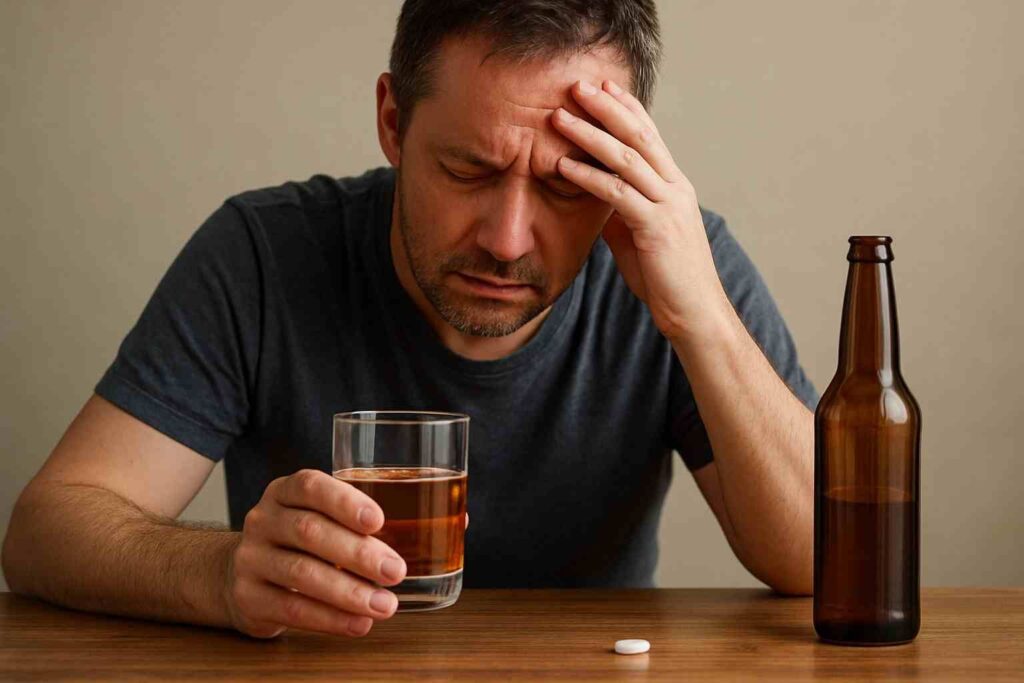
Medical experts consistently warn against combining Vyvanse and alcohol. Vyvanse alters brain chemistry, while alcohol disrupts it in the opposite direction, creating a tug-of-war effect that confuses your nervous system. Doctors highlight that this mix increases the risk of overdose, hidden intoxication, and long-term organ damage. Even if you feel fine after drinking, the strain on your liver, heart, and mental health can be significant. Because individual tolerance varies, there’s no “safe” amount of alcohol on Vyvanse. The safest medical advice is simple: avoid alcohol completely while taking this medication.
Safe Alternatives to Alcohol While on Vyvanse
If you’re asking, can you drink on Vyvanse, the good news is there are safer alternatives for socializing. Many people choose mocktails or alcohol-free beers, which give the same experience without the risks. Sparkling water with fruit, herbal teas, or flavored seltzers are refreshing and safe choices. For stress relief, consider exercise, meditation, or creative hobbies—all of which support your mental health without side effects. These options let you enjoy social settings while protecting your body and treatment progress. Sticking to non-alcoholic alternatives ensures Vyvanse works effectively without harmful interference.
How Long After Taking Vyvanse Can You Drink?
| Factor | Impact on Timing | Safe Waiting Period |
|---|---|---|
| Vyvanse Half-Life | Lasts 10–12 hours in the body | Avoid alcohol for at least 12 hours |
| Dosage Taken | Higher doses remain active longer | May need more than 12–14 hours |
| Body Metabolism | Slower metabolism = longer drug activity | Add 2–4 hours buffer |
| Health Conditions | Liver/kidney issues slow clearance | Delay alcohol even further |
| Best Practice | To stay safe | Wait until the next day before drinking |
The safest choice is to avoid alcohol while on Vyvanse. If you do drink, wait until the medication is fully cleared—usually 12–24 hours.
FAQs About Drinking on Vyvanse
1. Can you drink alcohol while taking Vyvanse?
No. Mixing Vyvanse with alcohol is unsafe because it increases the risk of heart strain, dehydration, and impaired judgment.
2. How long should I wait to drink after taking Vyvanse?
It’s best to wait at least 12–24 hours after your last dose to let the medication clear from your system.
3. What happens if you accidentally mix Vyvanse and alcohol?
You may not feel drunk right away, but this can lead to overdrinking, high blood pressure, and dangerous side effects. Seek medical advice if this happens.
4. Does Vyvanse make hangovers worse?
Yes. Vyvanse combined with alcohol can intensify dehydration and next-day fatigue.
5. Is occasional drinking safe on Vyvanse?
Even occasional drinking is not recommended, since the risks outweigh the benefits.