

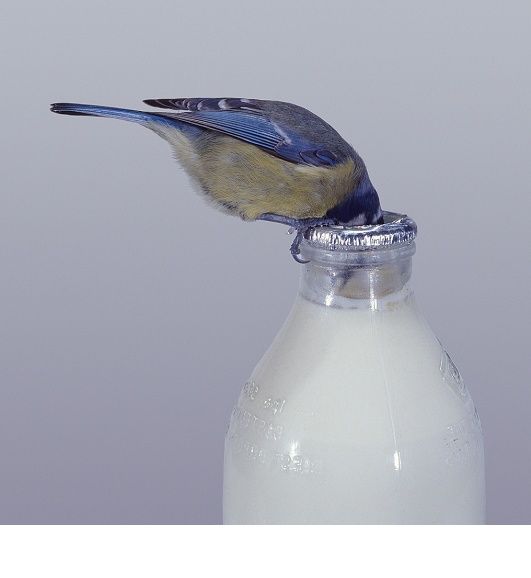
No, birds should not drink milk. Birds are lactose intolerant and cannot digest dairy products, which often leads to diarrhea, dehydration, and digestive upset. The only safe and necessary drink for birds is clean, fresh water, along with balanced nutrition from bird-safe foods.
Can Birds Drink Milk?
Many bird owners wonder, can birds drink milk the same way people or even some pets do? The short answer is no—milk isn’t suitable for most birds. Unlike mammals, birds are naturally lactose intolerant and lack the enzymes needed to digest dairy products. Giving milk to birds can cause digestive upset and dehydration rather than providing nutrition. Understanding why milk doesn’t belong in a bird’s diet, and what safer alternatives exist, helps you make better choices for your pet’s health and long-term well-being.
Why Birds Can’t Digest Milk
To answer can birds drink milk, it’s important to understand bird biology. Birds are not mammals, which means their digestive system evolved without the need to process dairy. They lack an enzyme called lactase, the very enzyme that breaks down lactose—the natural sugar in milk. Without lactase, milk moves through a bird’s system undigested, leading to digestive upset such as bloating, diarrhea, or dehydration.
In the wild, a bird’s diet consists of seeds, fruits, insects, and plants—never dairy products. Even pet birds like parrots, finches, or canaries have digestive systems designed for this natural diet, not for milk or cheese. Offering dairy can interfere with bird digestive health instead of supporting it. Understanding this basic difference makes it clear why milk isn’t part of safe bird nutrition.
What Happens If Birds Drink Milk
If you’ve ever asked can birds drink milk and decide to test it, the results are usually unpleasant. Birds that consume milk often suffer from digestive upset because their bodies cannot process lactose. Symptoms may include loose droppings, dehydration, or visible discomfort. For small species, even a small amount of milk can quickly lead to weakness.
Beyond immediate effects, feeding milk to birds may also disrupt nutrient absorption. Instead of offering extra nutrition, dairy stresses their system and puts their health at risk. In some cases, owners misinterpret signs of illness as unrelated, when milk is the trigger. That’s why avoiding milk and sticking to water or safe bird milk alternatives is the best choice for long-term bird digestive health.
Are There Any Safe Dairy Products?
| Topic | Key Details | Takeaway |
|---|---|---|
| Milk or Dairy in Small Amounts | Tiny tastes of low-lactose foods like yogurt or cheese may not cause immediate harm in larger parrots but are not healthy long-term. | Dairy is not recommended for birds. |
| Crop Milk Myth | Produced naturally by pigeons, doves, and flamingos for chicks. It is a nutrient-rich secretion from the crop, not dairy. | Crop milk is not the same as cow’s milk. |
| Risks of Dairy | Even small amounts can upset the bird’s digestive system and cause discomfort. | Dairy products are unnecessary and risky. |
| Safe Alternatives | Birds can get calcium and protein from leafy greens, seeds, and formulated pellets. | Choose bird-safe foods over dairy. |
Milk Alternatives for Birds
Since the answer to can birds drink milk is no, it’s important to know what they can have instead. The safest and healthiest liquid for any bird is always fresh, clean water. Birds rely on water to stay hydrated and to help digest seeds, pellets, and other foods.
For extra nutrients, owners can provide safe calcium sources for birds such as cuttlebone, mineral blocks, or fortified feeds. These do a far better job of supporting bone strength and overall health than dairy ever could. Some people consider plant-based milks, but even unsweetened versions should be limited, as they offer little nutritional value. Sticking to water and proven bird milk alternatives is the best way to avoid digestive upset and maintain proper bird nutrition.
How to Safely Introduce Foods to Birds
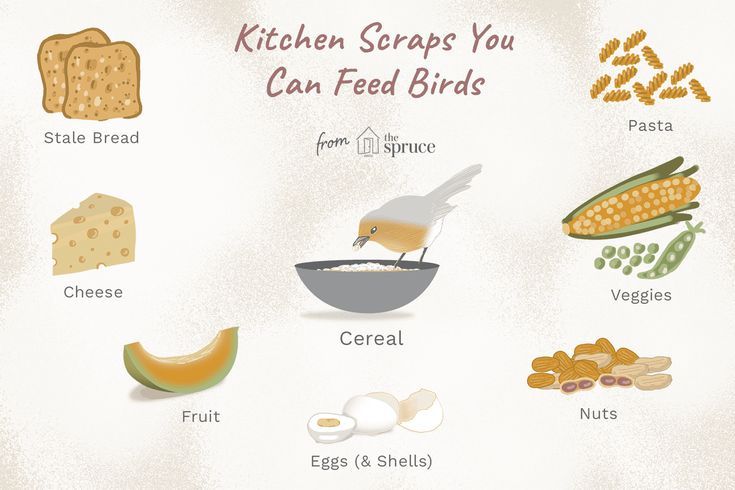
When considering new treats, many owners ask not only can birds drink milk but also how to safely expand their pet’s diet. The key is to introduce new foods slowly and observe your bird’s reaction. Start with small portions and watch for any signs of digestive upset, such as loose droppings, reduced appetite, or changes in behavior.
Always place fresh water alongside any new food to support hydration and digestion. Avoid offering multiple unfamiliar foods at once, as this makes it difficult to identify what causes a problem. Instead, add one item at a time and give your bird a few days to adjust.
Regularly consulting an avian veterinarian is the best way to ensure you’re meeting your bird’s nutritional needs. This cautious approach keeps bird digestive health stable while allowing variety in their diet.
FAQs About Birds and Milk
Q1: Can parrots drink milk?
No. Parrots, like most birds, are lactose intolerant and cannot digest milk. Giving milk may cause diarrhea, dehydration, and other digestive problems.
Q2: Can baby birds drink cow’s milk?
Never. Baby birds do not drink dairy milk. In the wild, some species like pigeons and doves produce crop milk, but this is a natural secretion, not dairy. Hand-reared chicks require specialized formula, not cow’s milk.
Q3: Is almond milk safe for birds?
Unsweetened almond milk is less harmful than dairy, but it offers little nutritional value. Small amounts may not cause issues, yet fresh water should always be the main drink.
Q4: What happens if wild birds drink milk left outside?
Milk can spoil quickly, leading to bacteria growth that harms wild birds. Even fresh, it causes digestive upset because they cannot process lactose.
Q5: What is the safest liquid for birds?
The only safe and necessary liquid is clean, fresh water. For nutrition, provide calcium sources like cuttlebone or mineral blocks instead of milk.


