
Yes, birds can and must drink water daily to stay healthy. In the wild, they sip from rain puddles, rivers, or dew, while pet birds rely on fresh, clean water from a dish or dispenser. Ensuring safe, uncontaminated water is essential for hydration, digestion, and feather health.
Can Birds Drink Water?
Yes, birds absolutely need water to survive — but how they drink it and what kind of water is safe often surprises people. Whether you’re caring for a parrot at home or watching wild sparrows outside, hydration plays a crucial role in their health.
Birds don’t just use water for drinking; they also bathe and regulate body temperature through it. However, not all water sources are safe. Tap water, for example, may contain chlorine or heavy metals that can harm delicate systems. Understanding how birds drink water and providing clean, fresh sources daily keeps them healthy and active.
How Birds Drink Water in the Wild
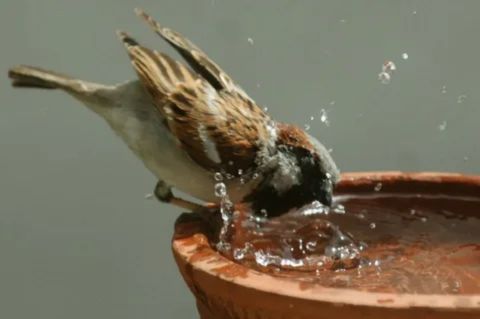
In the wild, birds have adapted fascinating ways to stay hydrated. Most birds sip water using their beaks, then tilt their heads back to swallow — a method that relies on gravity. Pigeons and doves are unique because they can actually suck water directly without lifting their heads. Wild birds usually drink from rain puddles, rivers, dew-covered leaves, or even fruits with high water content
. Desert species, like finches or sandgrouse, get most of their moisture from insects and plants instead of open water. However, natural water sources can sometimes be contaminated by pollution, so wild birds instinctively seek clean, flowing water. Their survival depends on finding safe hydration daily, especially in hot climates or dry seasons.
How Pet Birds Should Drink Water
Pet birds rely entirely on their owners for clean, safe water. Ideally, fresh drinking water should be available at all times and changed at least twice a day. Birds tend to drop food, feathers, or waste into their bowls, which can quickly contaminate the water and cause bacterial growth. Always use a shallow, stable dish or a small hanging water dispenser designed for birds.
Tap water is usually safe for most regions, but if it contains high chlorine or heavy metals, filtered or bottled water is a better option. Avoid distilled water since it lacks essential minerals. Warm or lukewarm water encourages some species to drink more, especially in colder months.
Observing your bird’s drinking habits is important—sudden changes can signal health issues like dehydration or illness. Clean hydration supports feather condition, digestion, and overall well-being in pet birds.
Signs Your Bird Isn’t Drinking Enough
Dehydration in birds can develop quickly, so it’s important to recognize the early warning signs. A dehydrated bird may appear lethargic, weak, or unusually quiet. You might notice dry or flaky skin around the eyes and beak, wrinkled feet, or sunken eyes.
Their droppings may also become smaller, darker, or less frequent. In severe cases, feathers can lose their shine, and breathing may become labored. If you suspect dehydration, offer clean, room-temperature water immediately and gently mist your bird to encourage hydration. Persistent symptoms require urgent veterinary care, as dehydration can become life-threatening within hours.
How Much Water Do Birds Need Daily?
The amount of water a bird needs depends on its size, species, and diet. On average, most pet birds drink about twice as much water as the dry food they consume. For example, a small parakeet might drink around 1–2 teaspoons per day, while larger parrots like African greys or cockatoos can drink several tablespoons. Birds that eat mostly dry seeds need more drinking water than those that enjoy fruits and vegetables, which naturally contain moisture.
Environmental factors also play a role—birds drink more in hot weather or low humidity. Always monitor your bird’s water dish to ensure it doesn’t run dry during the day. Dehydration can set in quickly, especially in smaller species. A good rule of thumb is to refresh their water supply at least twice daily, ensuring it’s always clean, cool, and free from debris.
Tap Water vs. Filtered Water for Birds
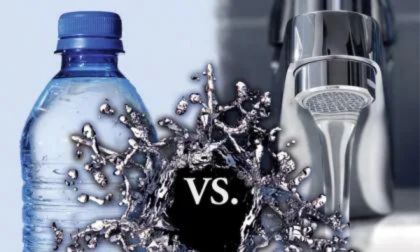
Many bird owners wonder whether it’s safe to give their pets tap water. In most urban areas, tap water is treated and generally safe for human consumption — and therefore fine for birds too. However, the chlorine, fluoride, and trace metals sometimes present in tap water can irritate a bird’s sensitive digestive system, especially for smaller or exotic species.
If your area’s tap water tastes or smells strongly of chemicals, it’s better to switch to filtered or bottled spring water. Avoid distilled water, as it lacks minerals essential for a bird’s health. For peace of mind, you can use a water conditioner (sold in pet stores) to neutralize harmful compounds. Regularly cleaning the water bowl or dispenser is just as important as the water type—stale or contaminated water can cause bacterial infections, even if it’s purified.
Best Practices for Keeping Bird Water Clean
Keeping your bird’s drinking water clean is essential for its health and longevity. Always use a stainless steel or ceramic bowl, as plastic ones can harbor bacteria and absorb odors. Change the water at least twice a day, or more often if it becomes cloudy or contains food debris. Rinse the bowl with warm, soapy water daily and disinfect it once a week with a mild vinegar solution—never use harsh chemicals.
Avoid placing the water dish directly under perches, as droppings can easily contaminate it. If your bird uses a water bottle, clean the nozzle regularly to prevent algae buildup. Consistent cleaning habits not only keep your bird hydrated but also reduce the risk of infections and digestive problems.
FAQs About Birds and Drinking Water
1. Do all birds drink water the same way?
No. Most birds sip and tilt their heads to swallow, while pigeons and doves can suck up water directly without lifting their heads.
2. Can birds drink tap water?
Yes, but only if your local tap water is clean and low in chlorine. If you’re unsure, use filtered or bottled spring water to avoid harmful chemicals.
3. How often should I change my bird’s water?
Replace the water at least twice daily. Birds often drop food and feathers into their dish, which encourages bacterial growth.
4. Why isn’t my bird drinking water?
Some birds get moisture from fruits and vegetables, so they may drink less. However, if your bird shows signs of lethargy or dry droppings, see a vet immediately.
5. Can birds drink other liquids like juice or milk?
No. Birds should drink only fresh, clean water. Sugary or dairy-based liquids can upset their digestive system.


