
YES, But only in moderation. Chickens are naturally lactose intolerant, meaning their digestive systems can’t process dairy properly. Small amounts might not harm them immediately, but regular intake can cause diarrhea, digestive distress, and bacterial imbalances.
Instead of milk, your chickens should get hydration from clean, fresh water and nutrition from their balanced feed. This guide explains the risks, safe alternatives, and best hydration practices for healthy, happy hens.
Why Chickens Struggle to Digest Milk
Chickens are omnivores, but their digestive systems are very different from mammals. Unlike humans, they lack lactase, the enzyme responsible for breaking down lactose in milk. When chickens drink milk, the undigested lactose ferments in their intestines, causing gas, diarrhea, and digestive distress. This can also upset the balance of good bacteria in their gut, which is essential for nutrient absorption and egg production.
Additionally, excess moisture from dairy products can make droppings watery, increasing the risk of bacteria buildup in coops. Even though a small accidental sip won’t harm them, regularly giving milk can cause chronic gut issues. Understanding this helps chicken owners make better dietary choices to keep their flock healthy and active.
Is Milk Ever Safe for Chickens?
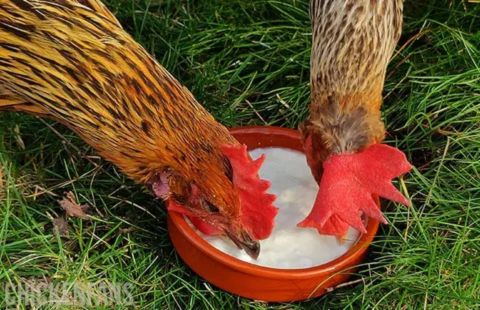
While chickens shouldn’t drink milk regularly, small amounts of fermented or cultured dairy can sometimes be safe. Foods like plain yogurt or buttermilk contain lower lactose levels because the fermentation process breaks down much of the sugar. These can actually support gut health in moderation due to the probiotics they contain.
If you decide to offer these dairy products, keep portions small—just a spoonful per bird mixed into feed once or twice a week. Always choose unsweetened, unflavored options and avoid cheese or cream, which are high in fat and salt. Remember, these foods should be treats, not staples. Clean up any leftovers promptly to prevent spoilage and bacterial growth in the coop.
Best Alternatives to Milk for Chickens
If you want to boost your chickens’ nutrition without using milk, there are several safe and effective alternatives. Fresh, clean water should always be their main source of hydration — replace it daily to avoid bacterial buildup. For added nutrients, you can mix in electrolytes, apple cider vinegar, or herbal teas like chamomile or mint, which support digestion and immunity.
For protein and calcium, provide scrambled eggs, mealworms, or crushed oyster shells instead of milk. These options are easily digestible and promote healthy egg production. You can also offer vegetable scraps such as spinach, kale, and carrots for natural vitamins.
These alternatives keep your flock hydrated and healthy without risking digestive issues that come with dairy products.
Can Baby Chicks Have Milk?
Baby chicks should never be given milk, whether raw, pasteurized, or diluted. Their digestive systems are too sensitive to handle lactose, the natural sugar found in milk. Feeding milk to chicks can lead to diarrhea, dehydration, and nutrient loss, which can quickly become life-threatening for such small birds.
Instead, ensure chicks have constant access to clean, fresh water and a high-quality chick starter feed. This feed is specifically balanced with the right levels of protein, vitamins, and minerals needed for growth.
If you’re concerned about hydration, you can add electrolytes or probiotics to their water. These support digestion and strengthen immunity—without the digestive stress that milk causes. Keeping their water source clean and shallow prevents accidental drowning.
How to Safely Offer Liquids to Chickens
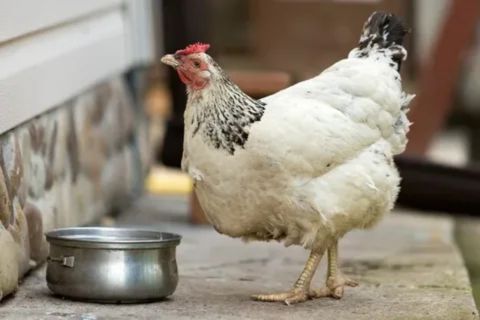
Providing water the right way is just as important as what you offer. Chickens need constant access to fresh, clean water throughout the day since dehydration can quickly impact their egg production and overall health. Use shallow, easy-to-clean containers or poultry waterers designed to prevent spillage and contamination.
If you’re offering other safe liquids, such as electrolyte solutions or herbal infusions, make sure they’re mild and free from added sugar, salt, or dairy. Avoid using metal containers for acidic liquids, as they can leach harmful substances into the drink.
Always change water daily and wash the container to prevent bacterial growth or algae buildup. During summer, add a few ice cubes to keep the water cool. In winter, use heated water dispensers to prevent freezing.
Clean hydration habits help chickens maintain proper digestion, feather health, and immunity year-round.
Alternatives to Milk for Chickens
If you want to boost your chickens’ nutrition without using milk, several safe and natural alternatives can do the job. The best options include plain yogurt, fermented feed, and probiotic supplements—all of which help support gut health and digestion. Yogurt provides beneficial bacteria and calcium but should be offered sparingly and not as a replacement for water.
Herbal teas like chamomile or mint-infused water can also keep your flock hydrated while offering mild antibacterial benefits. Electrolyte solutions (especially during hot weather or molting periods) help prevent dehydration and restore minerals lost through sweat and droppings.
Another great option is adding fresh greens, fruits, or vegetables rich in moisture, such as cucumber, melon, or lettuce. These natural water sources improve hydration while supplying vitamins and fiber.
These alternatives keep your chickens hydrated and healthy—without the digestive troubles that come from giving them milk.
FAQs About Chickens and Milk
1. Can chickens drink milk occasionally?
Yes, but only in very small amounts. While chickens can tolerate a little milk, too much can cause diarrhea and digestive upset due to lactose intolerance.
2. What kind of milk is safest for chickens?
If you must give milk, fermented or low-lactose options like yogurt or buttermilk are better. They contain probiotics that support gut health and are easier to digest.
3. Can baby chicks drink milk?
No. Chicks should only drink clean, fresh water. Milk can interfere with their developing digestive systems and cause health problems.
4. Is spoiled milk safe for chickens?
Never. Spoiled milk contains harmful bacteria that can lead to infections and digestive illness.
5. What’s the best way to keep chickens hydrated?
Provide fresh, clean water daily in shaded containers. Refill often and clean the waterers to prevent contamination.


