
No, dogs should not drink eggnog. This festive drink contains ingredients like nutmeg, dairy, sugar, and sometimes alcohol, which can be toxic or harmful to dogs. Even small amounts may cause vomiting, diarrhea, or tremors.
Instead of offering eggnog, keep your pup safe with dog-friendly holiday drinks made from lactose-free milk or plain yogurt. Always consult your vet if your dog accidentally consumes eggnog or shows signs of illness.
Can Dogs Drink Eggnog?
As the holiday season rolls around, many pet owners find themselves wondering, “Can dogs drink eggnog?” It’s a fair question—after all, this creamy, festive drink seems harmless to us. However, what’s safe for humans isn’t always safe for dogs.
Eggnog often contains ingredients like milk, cream, sugar, nutmeg, and sometimes alcohol, all of which can upset your dog’s stomach or even cause toxicity. Before offering your pup a sip of this holiday favorite, it’s important to understand the risks of eggnog for dogs and why even small amounts of holiday drinks can be toxic to pets.
What Is Eggnog Made Of?
To understand why eggnog isn’t safe for dogs, it helps to look at what’s inside it. Traditional eggnog is made with milk, cream, eggs, sugar, nutmeg, and often a splash of alcohol. Each of these ingredients can spell trouble for your dog.
Many dogs are lactose intolerant, so the dairy in eggnog may cause vomiting, gas, or diarrhea. The high sugar content can lead to obesity or spikes in blood sugar, while raw eggs increase the risk of salmonella.
The biggest concern, however, is nutmeg, which contains a compound called myristicin that’s toxic to dogs. When combined with alcohol or rich cream, eggnog becomes a risky mix that can upset your pet’s digestive and nervous systems. Understanding its composition makes it clear—eggnog and dogs don’t mix.
Why Eggnog Is Dangerous for Dogs
Eggnog may seem like an innocent treat, but for dogs, it’s a cocktail of potential hazards. The nutmeg commonly used in eggnog contains myristicin, a toxin that can cause tremors, disorientation, increased heart rate, and even seizures in dogs.
The dairy and cream are another concern—most dogs struggle to digest lactose, leading to bloating, vomiting, and diarrhea. Add in the high sugar and fat content, and you’ve got a recipe for pancreatitis and weight gain. Some eggnogs also contain alcohol, which is extremely toxic to pets even in small doses, causing lethargy, weakness, and low body temperature.
Even store-bought, non-alcoholic versions aren’t safe because of added sweeteners like xylitol, which can be fatal to dogs. In short, eggnog offers no nutritional benefit and several serious risks. The safest choice? Keep your dog’s holiday drinks simple—fresh water only.
Symptoms After a Dog Drinks Eggnog
If your dog accidentally drinks eggnog, symptoms can appear within minutes to a few hours. The most common signs include vomiting, diarrhea, drooling, gas, and abdominal discomfort. Some dogs may become restless or lethargic, depending on how much eggnog they consumed and whether it contained nutmeg or alcohol.
In more serious cases, you might notice tremors, rapid heartbeat, or disorientation, which could indicate nutmeg poisoning or alcohol toxicity. Puppies and smaller breeds are especially vulnerable to these effects because of their size and weaker digestive systems. Even non-alcoholic, dairy-based eggnog can cause stomach upset in lactose-intolerant dogs.
If you spot any of these symptoms, treat it as a medical emergency and contact your veterinarian immediately for proper guidance and care.
What to Do If Your Dog Drinks Eggnog
If your dog drinks eggnog, don’t panic—but act quickly. First, remove any remaining eggnog so your pet can’t ingest more. Avoid trying home remedies like inducing vomiting unless a veterinarian instructs you to do so. Offer small sips of fresh water to help dilute any sugar or dairy, but don’t force it.
Call your vet or a pet poison control hotline immediately and describe what ingredients were in the eggnog—especially if it contained nutmeg, alcohol, or xylitol. These can lead to serious toxicity or neurological symptoms. Keep a close eye on your dog’s behavior, appetite, and energy levels for the next 24 hours. Quick, professional action is the best way to prevent complications and ensure your dog recovers safely.
Dog-Safe Holiday Drink Alternatives
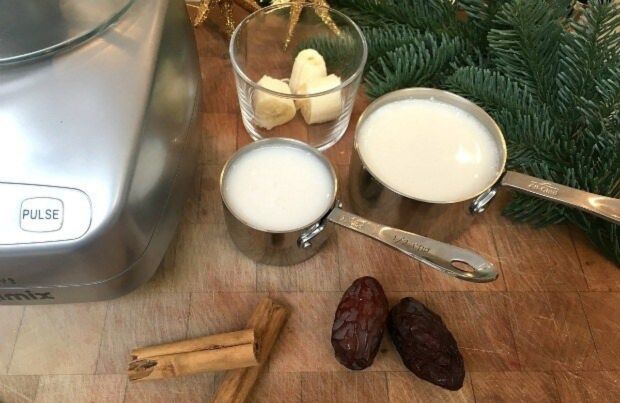
While eggnog isn’t safe for dogs, there are plenty of pet-friendly alternatives that let your pup join in the festive fun without any risk. You can make a simple dog-friendly eggnog alternative using lactose-free milk or plain unsweetened yogurt, blended with banana or pumpkin purée for natural sweetness. Add a sprinkle of cinnamon (never nutmeg) for flavor.
This mix gives your dog a creamy, nutrient-rich treat without the harmful ingredients found in traditional eggnog. You can even chill it or freeze it into ice cubes for a refreshing snack. Many pet stores also sell ready-made dog eggnog mixes that are non-alcoholic and safe for dogs. Always serve these in moderation—just a few tablespoons is plenty for a holiday treat.

Vet Tips & Holiday Safety
Veterinarians agree that prevention is the best protection during the holidays. Keep all holiday foods and drinks, including eggnog, well out of your dog’s reach. Remind guests not to share human treats, no matter how harmless they seem.
Always provide fresh, clean water so your dog stays hydrated and less tempted by other beverages. If you’re hosting a party, designate a pet-safe zone away from food and drink tables. Many holiday drinks are toxic to dogs, not just eggnog, so extra vigilance goes a long way. When in doubt, follow vet advice for pets during holidays—safety first, celebration second.
FAQs About Dogs and Eggnog
Q1. Can dogs drink non-alcoholic eggnog?
Even non-alcoholic eggnog isn’t safe for dogs. It still contains sugar, cream, and nutmeg, which can cause digestive issues or toxicity. Always stick to dog-friendly eggnog alternatives made with lactose-free ingredients.
Q2. What happens if my dog drinks eggnog with alcohol?
If your dog drinks alcoholic eggnog, call your veterinarian immediately. Alcohol can cause vomiting, tremors, low blood pressure, and severe dehydration. Even small amounts can be life-threatening for small breeds.
Q3. Can puppies drink eggnog?
No. Puppies are more sensitive to dairy and high-fat foods. Eggnog can quickly cause diarrhea, stomach upset, or weakness in young dogs.
Q4. What are safe Christmas drinks for dogs?
Offer your dog plain water, goat’s milk, or a homemade dog-safe nog made with lactose-free milk and pumpkin. These are safe, hydrating, and festive without the risks.


