
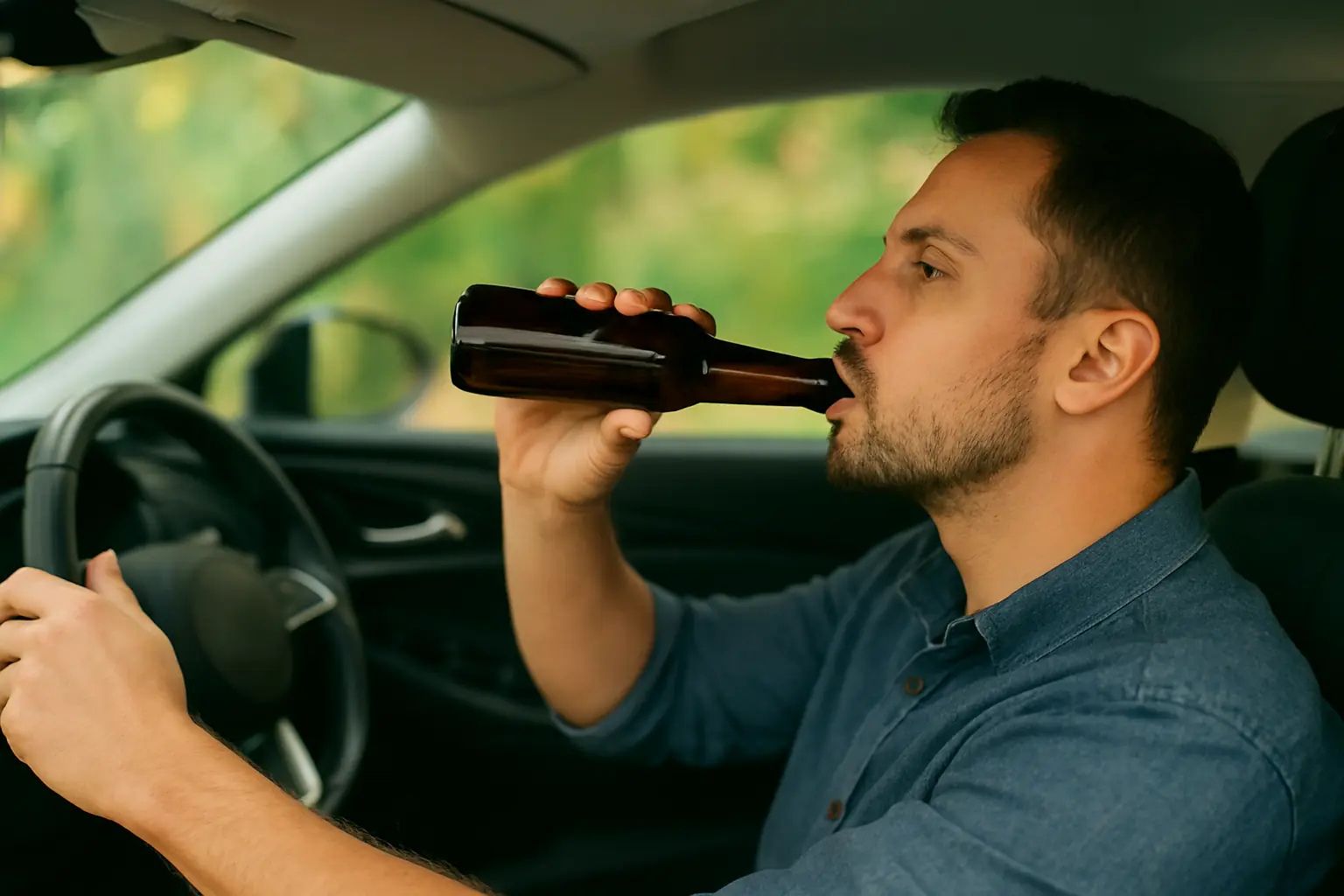
No, a passenger cannot drink in a car in Florida. Under Florida Statute 316.1936, it’s illegal for passengers to drink or hold open containers of alcohol in a moving vehicle on public roads.
The law applies even if the driver hasn’t consumed alcohol. However, exceptions exist for limousines, motorhomes, and party buses where the passenger area is separate from the driver’s seat. To stay compliant, always store open or partially used alcohol in the trunk or locked glove compartment.
Can a Passenger Drink in a Car in Florida?
If you’ve ever wondered “can a passenger drink in a car in Florida?”, the short answer is no. Florida’s open container law makes it illegal for both drivers and passengers to drink or hold open alcohol in a moving vehicle on public roads. This law, defined under Florida Statute 316.1936, applies even if the driver is completely sober. The purpose is to prevent distractions and reduce the risk of impaired driving incidents. Understanding how Florida open alcohol in car rules work can save you from unexpected fines and keep you on the right side of the law.

What Florida Law Says About Drinking as a Passenger
Under Florida Statute 316.1936, it’s illegal for any passenger to drink alcohol in a car traveling on public roads. This law doesn’t just apply to drivers — it extends to everyone inside the vehicle. Whether it’s a beer, wine cooler, or cocktail, having an open container in the passenger area can lead to fines and legal issues. Even if the driver hasn’t consumed a drop, both parties can be held responsible. Florida’s goal is clear: to keep roads safe by preventing alcohol consumption inside vehicles. Knowing these passenger open container laws in Florida can help you avoid misunderstandings and potential penalties.
What Counts as an “Open Container” in Florida
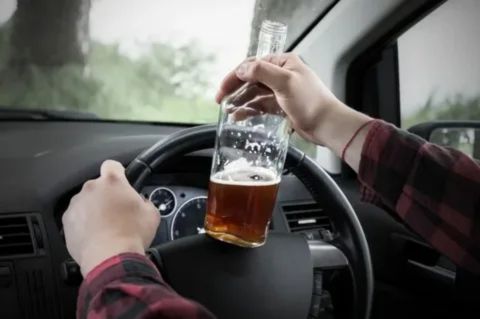
To understand can a passenger drink in a car in Florida, it’s important to know what qualifies as an open container. According to Florida’s open container law, any bottle, can, or cup that has been opened, unsealed, or has a broken seal is considered “open.” Even a half-finished drink or resealed wine bottle counts if it’s within the passenger area of a vehicle. The only safe way to transport alcohol legally is by keeping it sealed and stored in the trunk or locked glove compartment. This ensures compliance with Florida Statute 316.1936 and helps avoid unnecessary fines or violations.
Exceptions to Florida’s Open Container Law
While the answer to can a passenger drink in a car in Florida is generally no, there are a few exceptions. Florida’s open container law allows passengers to drink alcohol in certain types of vehicles — like limousines, motorhomes, or party buses — where the driver and passenger areas are physically separated. These exceptions exist because the driver isn’t exposed to the alcohol or distracted by passengers drinking. Another legal exception involves storing alcohol in a locked trunk or glove box, making it inaccessible while driving. However, rideshare vehicles such as Uber and Lyft do not fall under these exceptions. Even in those settings, open alcohol in car passenger areas remains illegal on public roads.
Penalties and Fines for Passengers with Open Containers
If you’re wondering what happens when a passenger drinks in a car in Florida, the consequences can be costly. Under Florida Statute 316.1936, both the driver and the passenger may receive a citation for an open container violation. For passengers, it’s typically a noncriminal traffic infraction, but fines can range from $60 to over $100, depending on the county. In some cases, additional court fees or community service may apply. The driver could also face penalties if the open alcohol is within reach. Understanding these Florida open alcohol in car penalties can help you avoid legal trouble and stay compliant with state law.
Can You Drink in a Parked Car in Florida?
Many people assume that drinking in a parked car is harmless, but Florida law says otherwise. Even if the car isn’t moving, the open container rule still applies when the vehicle is parked on a public road or parking area. That means both the driver and passenger can face penalties for having open alcohol inside. However, if you’re on private property—like your driveway or a campsite—different rules apply. The key factor is whether the car is located on a public right-of-way. So, while it may seem minor, knowing these nonmoving vehicle open container rules helps you avoid unnecessary legal risks in Florida.
How to Legally Transport Alcohol in Florida
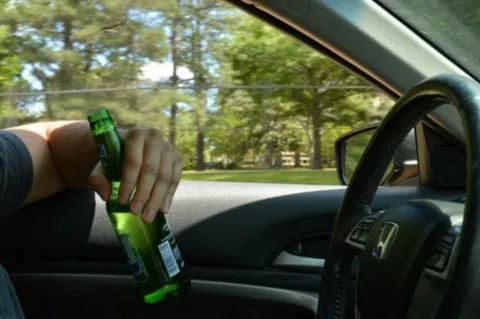
Even though the answer to can a passenger drink in a car in Florida is no, transporting alcohol safely is completely legal—if done correctly. The law allows unopened, sealed containers of alcohol to be transported anywhere in the car. However, once a bottle has been opened, it must be stored in the trunk or a locked glove compartment. This rule applies to all types of alcoholic beverages, including wine and beer. For example, if you’re heading home from a restaurant with a half-finished bottle of wine, seal it properly and store it out of reach. Following these Florida alcohol transportation laws ensures you’re in full compliance and free from penalties.
Can Passengers Drink in Rideshares or RVs?
You might wonder if can a passenger drink in a car in Florida applies to rideshares or RVs — and the answer depends on the type of vehicle. In Uber, Lyft, or regular taxis, the open container law still applies, meaning no drinking or open alcohol is allowed. However, there’s an exception for limousines, motorhomes, and party buses where passengers are separated from the driver’s area. These vehicles are legally classified as commercial or private motor coaches, which makes passenger drinking legal under specific conditions. Still, it’s best to verify local ordinances since rideshare open container laws can vary by city.
FAQs – Florida Passenger Drinking & Open Container Law
Q1: Can a passenger drink in a car in Florida?
No. Under Florida Statute 316.1936, passengers cannot drink or possess open alcohol in any moving vehicle on public roads. The law applies even if the driver is sober.
Q2: What happens if a passenger has an open beer?
Both the driver and passenger can be cited for an open container violation. Fines vary by county but usually range from $60 to $100, plus potential court costs.
Q3: Are there exceptions for certain vehicles?
Yes. Motorhomes, limousines, and party buses are exempt, provided the driver is separated from the passenger area.
Q4: Can you drink in a parked car?
Only if you’re parked on private property. Drinking on a public road or parking lot is still illegal.
Q5: How should you transport open alcohol legally?
Place any open or unsealed containers in the trunk or locked glove compartment. This keeps alcohol inaccessible while driving and ensures compliance with Florida law.