
Yes, drinking water can make you nauseous, especially if you drink it too quickly, on an empty stomach, or in large amounts. Sudden intake can upset your stomach, lower sodium levels, or irritate the digestive system.
Water that’s too cold, poor-quality, or contaminated can also cause nausea. Drinking slowly, at room temperature, and in moderate amounts usually helps prevent discomfort.
Introduction: Can Drinking Water Make You Nauseous?
It might sound strange to think that something as essential as water could make you feel sick—but it happens more often than you’d expect. Many people wonder, “Can drinking water make you nauseous?” The answer is yes, under certain circumstances. While water supports nearly every function in your body, how and when you drink it can sometimes trigger discomfort.
Feeling nauseous after drinking water can result from several factors, like drinking too much too quickly, consuming water that’s too cold, or having an empty stomach. Sometimes, the cause lies deeper—issues like electrolyte imbalance, acid reflux, or even poor water quality can make water feel unsettling instead of refreshing.
In this article, we’ll break down why drinking water can make you nauseous, explore common causes, and share expert-backed tips to help you stay hydrated safely—without that unpleasant queasy feeling.
What Happens in Your Body When Water Causes Nausea
When you drink water, it passes through your esophagus and into your stomach, where it’s absorbed into your bloodstream. But sometimes, this simple process can cause discomfort. If you drink too much water too quickly, your stomach stretches faster than it can empty, leading to a heavy, bloated feeling that can trigger nausea. Similarly, drinking water on an empty stomach may dilute stomach acid, slowing digestion and causing queasiness.
Another reason drinking water makes you nauseous is temperature shock. Very cold or very hot water can irritate the stomach lining, especially if you already have a sensitive digestive system or conditions like GERD or IBS. Finally, an electrolyte imbalance—too little sodium compared to water intake—can upset the body’s fluid balance, making you lightheaded or nauseous. Understanding these reactions helps you recognize that it’s not the water itself, but how and when you drink it.
7 Common Reasons Why Drinking Water Makes You Nauseous
- Drinking too fast or too much: Overloading your stomach with water can cause bloating and nausea.
- Empty stomach: Drinking on an empty stomach can dilute digestive acids, slowing digestion and creating discomfort.
- Temperature shock: Extremely cold or hot water irritates the stomach lining.
- Electrolyte imbalance: Too much plain water can lower sodium levels, causing dizziness or nausea.
- Contaminated water: Bacteria or minerals in poor-quality water may upset your stomach.
- Digestive issues: Conditions like GERD, IBS, or gastroparesis can make water intake uncomfortable.
- Pregnancy or medication effects: Hormonal or drug-related changes can alter your digestive response to water.
Each cause is manageable once you understand what’s triggering your water-induced nausea.
Safe Hydration Habits to Prevent Nausea
If drinking water makes you nauseous, small changes in your hydration habits can make a big difference. Start by sipping water slowly throughout the day instead of drinking large amounts all at once. Avoid extremely cold or hot water — room temperature is gentler on the stomach. It also helps to drink water with or after light meals rather than on an empty stomach, which keeps your digestive acids balanced.
For those prone to electrolyte imbalance nausea, try alternating plain water with electrolyte-infused drinks, especially after sweating or exercise. Finally, always check your water source — contaminated water can cause gastrointestinal upset. Practicing these safe hydration habits supports proper digestion and keeps nausea away.
How to Stop Feeling Nauseous After Drinking Water
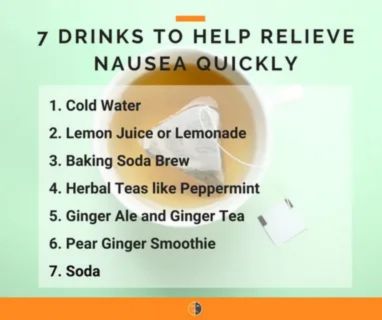
If you start feeling queasy after drinking water, the first step is to pause and sit upright. Avoid lying down, as this can worsen discomfort, especially if acid reflux is involved. Take slow, steady breaths to help calm your stomach. Sip small amounts of room-temperature water instead of cold or warm extremes. If the nausea continues, eat a light snack such as crackers or toast — this can help absorb excess stomach acid.
If your water-induced nausea occurs often, consider switching to filtered or bottled water to rule out contamination. Adding a pinch of salt or drinking an electrolyte-balanced beverage may also restore sodium levels and reduce dizziness. However, persistent nausea after hydration may indicate underlying issues like GERD or digestive sensitivity, and it’s best to discuss this with a healthcare professional.
When to Worry — Signs You Should See a Doctor
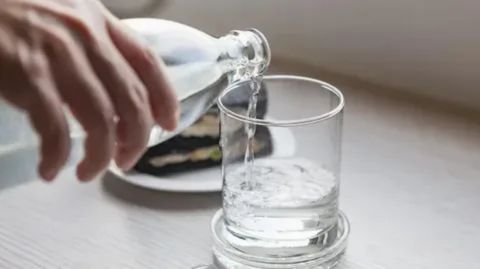
Occasional nausea after drinking water is usually harmless, but frequent or severe symptoms can signal something deeper. If you experience persistent nausea, vomiting, abdominal pain, or bloating after drinking water, it may point to conditions like GERD, IBS, or electrolyte imbalance. Pay attention to warning signs such as confusion, swelling, or very clear urine — these can indicate over-hydration or low sodium levels (hyponatremia).
You should also seek medical help if your nausea after drinking water is accompanied by fever, fatigue, or loss of appetite. These could suggest infection or water contamination. Don’t ignore ongoing symptoms — a healthcare professional can help identify whether your nausea is caused by your hydration habits or an underlying health condition.
FAQs About Drinking Water and Nausea
Q1: Why does drinking water make me nauseous sometimes?
This can happen when you drink water too quickly, on an empty stomach, or if the water is too cold. Rapid intake or temperature shock can irritate the stomach, triggering nausea.
Q2: Can too much water cause nausea?
Yes. Drinking excessive amounts in a short time can lead to over-hydration or electrolyte imbalance, where sodium levels drop too low — a condition called hyponatremia.
Q3: Can contaminated water make you nauseous?
Absolutely. Impure or poorly filtered water can contain bacteria, chlorine, or minerals that upset the digestive system, leading to stomach discomfort or nausea.
Q4: Why does water make me nauseous during pregnancy?
Hormonal changes can heighten sensitivity to smell, taste, and temperature, making water intake uncomfortable for some pregnant women.
Q5: How can I prevent nausea from drinking water?
Sip slowly, choose room-temperature water, avoid drinking immediately after large meals, and consider adding electrolytes if you’re sweating heavily. If nausea persists despite these changes, consult a healthcare provider — it may indicate an underlying digestive or hydration-related issue.