

Yes, a cat can usually drink small amounts of water before a sonogram, but the exact rules depend on the type of ultrasound. For abdominal ultrasounds, vets often recommend fasting from food for 8–12 hours and limiting water shortly before the scan.
For bladder ultrasounds, water is encouraged to keep the bladder full, while cardiac ultrasounds (echocardiograms) typically don’t require fasting or water restrictions. Always follow your veterinarian’s specific instructions for the most accurate results.
Introduction
If your vet has recommended an ultrasound for your cat, you’re probably wondering can a cat drink before a sonogram? It’s a common question, especially for pet parents preparing for their first imaging appointment. The truth is that proper preparation plays a big role in how clear and accurate the scan will be. While most cats need to fast from food for several hours before certain ultrasounds, the rules around water aren’t always the same. Knowing the difference ensures your cat stays comfortable and the results are reliable.
Why Preparation Matters
When a vet recommends an ultrasound, preparation is more than just a formality—it directly affects how well the images turn out. Owners often ask can a cat drink before a sonogram, but the bigger picture is that anything inside the stomach or intestines, whether food, water, or even excess gas, can interfere with sound waves. This interference makes it harder for the veterinarian to see organs like the liver, stomach, bladder, or kidneys clearly.
For abdominal ultrasound in cats, fasting helps empty the stomach so the images aren’t blocked. In some cases, having a full bladder actually improves visibility, which means controlled water intake may be encouraged. Without these simple steps, the exam might need to be repeated or sedation may become necessary. Following fasting and drinking guidelines ensures the scan is accurate the first time, saving your cat from extra stress.
Fasting & Water Guidelines by Ultrasound Type
| Ultrasound Type | Fasting Rules | Water Guidelines | Notes |
|---|---|---|---|
| Abdominal Ultrasound in Cats | No food for 8–12 hours before the scan | Small sips allowed; too much can reduce image clarity | Helps prevent food/gas from blocking sound waves. |
| Echocardiogram (Cardiac) | Fasting not required | Normal drinking allowed | Stomach contents don’t interfere with heart imaging. |
| Pregnancy / Reproductive | Food may be restricted for comfort, not always strict | Water usually fine | Focus is on keeping the cat calm during the scan. |
| Bladder / Urinary Tract | Fasting not always needed | Water encouraged to keep bladder full | A full bladder improves visibility for urinary tract evaluation. |
Risks of Allowing Food or Water Too Close to the Exam
If you’re unsure can a cat drink before a sonogram and let your cat have too much food or water, the consequences can affect the quality of the test. When the stomach is full, food and gas can block the ultrasound probe from capturing clear images. This is especially problematic in abdominal ultrasounds in cats, where the liver, pancreas, or stomach need to be viewed without interference. Drinking too much water can also dilute bladder contents, making it harder to evaluate urinary health. In some cases, poor preparation means the exam has to be rescheduled, or the vet may need to use sedation. By following fasting and water guidelines, you help ensure the scan produces accurate results the first time.
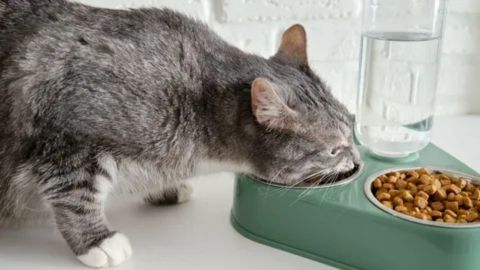
How to Prepare Your Cat at Home
Getting your cat ready for an ultrasound can feel stressful, but with a little planning, it’s straightforward. The first step is following your vet’s exact instructions about food and water. If the scan is abdominal, stop food 8–12 hours before the appointment. When you’re asking can a cat drink before a sonogram, remember that small sips of water are usually fine, but avoid offering large amounts unless your vet specifically advises it. For bladder ultrasounds, water may be encouraged to ensure a full bladder.
Special cases deserve extra care. Diabetic cats may not be able to fast for as long, so check with your vet about modified instructions. Kittens and senior cats may also have adjusted guidelines to prevent stress or dehydration. Beyond food and water, keep your cat calm—minimize noise, provide a quiet resting space, and use a secure carrier for transport. These small steps make the visit smoother and help your vet capture the clearest possible images.
What Happens During the Ultrasound Appointment
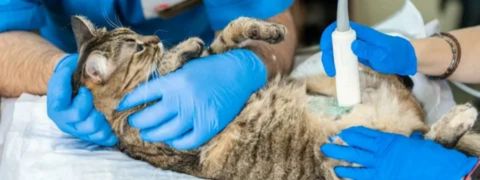
Many cat owners feel nervous about what will happen once they arrive at the clinic. After all the prep—fasting, water restriction, or encouraging drinking depending on the scan—the actual procedure is gentle and noninvasive. When you arrive, the vet or technician will review the prep instructions and confirm whether your cat was able to eat or drink before the exam. For most cat ultrasounds, a patch of fur on the belly or chest will be shaved so the probe can make direct contact with the skin. A cool gel is applied, and the probe sends sound waves that create real-time images of your cat’s organs. Sedation is rarely needed, though it may be considered if a cat is highly stressed or uncooperative. The process usually takes 20–40 minutes, and you can often stay nearby to keep your pet calm.
Cat undergoing abdominal ultrasound at veterinary clinic with shaved belly and probe, noninvasive procedure with owner nearby.
After the Ultrasound: Feeding & Drinking
Once the sonogram is complete, most cats can return to their normal routine right away. If you’ve been wondering can a cat drink before a sonogram, the good news is that after the scan, water and food are generally safe to offer immediately—unless your vet gives different instructions. The only exception is when sedation for ultrasound has been used, in which case it’s best to wait until your cat is fully alert before feeding. Offering a small, light meal first can help prevent stomach upset while easing your cat back into their regular schedule.
Consult Your Vet for Special Cases
While general guidelines help answer can a cat drink before a sonogram, some cats require tailored instructions. Diabetic cats may not be able to fast as long because skipping meals can affect their blood sugar. Senior cats and very young kittens are also more sensitive to dehydration and may need modified water or feeding rules. Cats on certain medications might need adjusted prep as well. Because each case is different, your veterinarian’s advice should always take priority. Following personalized directions ensures your cat stays safe while still getting accurate ultrasound results.
FAQs About Cats and Sonograms
1. Can a cat drink water before a sonogram?
In most cases, small amounts of water are allowed. For abdominal ultrasounds in cats, vets may limit water intake a few hours before the scan. For a bladder ultrasound, drinking water is actually encouraged so the bladder stays full.
2. Why do cats need to fast before an ultrasound?
Fasting reduces the amount of food and gas in the stomach. This prevents interference with sound waves and ensures the vet gets clear images of organs like the liver, pancreas, and kidneys.
3. How long should a cat fast before a sonogram?
Most vets recommend 8–12 hours without food. Water rules vary depending on the type of ultrasound, so always confirm instructions with your vet.
4. What if my cat drinks too much water before the scan?
A very full stomach or bladder may distort the images. Call your vet for advice—they may still be able to proceed or ask you to reschedule.
5. Do cats need sedation for ultrasounds?
Usually not. Sedation is only used if the cat is too stressed or aggressive to stay still, since movement can blur the sonogram images.


