

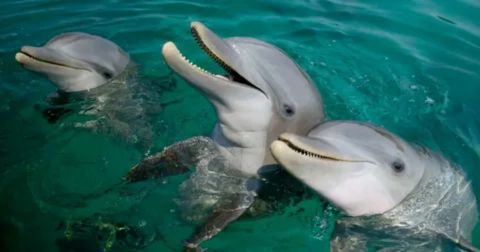
No, dolphins can’t drink salt water. Their bodies are designed to survive in the ocean without consuming seawater. Instead, they get hydration from the fish and squid they eat, along with metabolic water produced during digestion.
Their specialized kidneys help filter excess salt, keeping them perfectly balanced and hydrated.
Introduction
When you picture dolphins gliding through the ocean, it’s easy to assume they drink the same salt water they swim in. But can dolphins drink salt water and stay hydrated like that? Surprisingly, they can’t — and that’s one of nature’s most fascinating adaptations.
Unlike humans, dolphins don’t have the luxury of fresh water on demand, yet they thrive in some of the saltiest environments on Earth. Their survival depends on a finely tuned system known as marine mammal osmoregulation, which helps them maintain the right balance of salt and water inside their bodies. Instead of drinking seawater, dolphins meet their hydration needs through the food they eat and special biological processes that extract or even produce fresh water internally.
Why Dolphins Can’t Drink Salt Water
At first glance, it might seem logical that dolphins drink the seawater around them, but their bodies simply aren’t built for it. The salt concentration in ocean water is far higher than what a dolphin’s body can handle. If a dolphin were to drink salt water, it would actually lose water instead of gaining it, leading to dehydration.
This happens because of osmosis—the natural process where water moves from low to high salt concentration. To remove the excess salt, a dolphin’s kidneys would have to work overtime, using more water than they gain. Over time, this would strain their system and cause severe dehydration. That’s why dolphin hydration depends entirely on internal and dietary water sources, not seawater consumption.
How Dolphins Stay Hydrated Without Drinking
Since dolphins can’t drink seawater, they rely on clever biological alternatives to stay hydrated. Most of their water comes from the fish, squid, and crustaceans they eat. These prey animals contain internal fluids with much lower salt levels than ocean water, providing a safe hydration source.
Dolphins also produce what’s known as metabolic water—fresh water generated inside their bodies as fats and proteins are broken down for energy. This natural process plays a huge role in marine mammal osmoregulation, helping dolphins maintain their fluid balance even in salty seas. Together, prey moisture and metabolic water ensure that dolphins never need to drink salt water to survive. It’s a remarkable adaptation perfectly suited for life in the ocean.
Dolphin Kidneys & Salt Excretion
A key reason dolphins survive without drinking salt water lies in their reniculate kidneys—a specialized organ structure found in many marine mammals. Unlike human kidneys, these are divided into many small lobes, allowing dolphins to filter blood more efficiently and remove excess salt.
Their kidneys produce highly concentrated urine, minimizing water loss while flushing out salt and other wastes. This process helps maintain balance between hydration and salt regulation, a critical part of dolphin physiology and marine mammal osmoregulation.
Even with these advanced kidneys, dolphins still can’t handle the salt load of seawater directly. Instead, their bodies are fine-tuned to conserve water and excrete just enough salt to stay healthy in an ocean full of it.
Can Dolphins Drink Salt Water Occasionally?
Some people wonder if dolphins ever swallow seawater on purpose. In reality, they don’t drink salt water intentionally. However, they may take in tiny amounts accidentally while catching prey or playing near the surface. Fortunately, their reniculate kidneys and efficient osmoregulation system can handle these small traces without harm.
There’s no evidence that dolphins use seawater as a hydration source — doing so would still risk dehydration. Instead, their bodies are so well adapted that even minor salt intake is quickly balanced out. So while dolphins may ingest seawater occasionally, it’s never enough to meet their hydration needs.

Dolphin Hydration vs Other Marine Mammals
| Animal | Hydration Source | Salt Regulation Method | Unique Adaptation |
|---|---|---|---|
| Dolphins | Moisture from prey (fish, squid) + metabolic water | Highly efficient reniculate kidneys filter salt | Extremely efficient hydration system without drinking seawater |
| Whales | Prey moisture + metabolic water | Specialized kidneys excrete excess salt | Large body size helps conserve internal water |
| Seals | Fish and squid moisture + metabolic water | Kidney function similar to dolphins | Can tolerate higher salt levels in their blood temporarily |
| Sea Turtles | Some seawater intake + prey moisture | Salt glands near eyes excrete excess salt | Glands allow limited seawater consumption |
FAQs About Dolphins and Salt Water
1. Do dolphins ever get thirsty?
Not in the same way humans do. Dolphins stay hydrated through the fluids in their prey and internal metabolic water production, so they rarely experience thirst.
2. How do dolphins survive in salt water without drinking it?
Their reniculate kidneys filter out salt efficiently, and they conserve water by producing concentrated urine. Plus, their diet provides all the hydration they need.
3. Can dolphins drink fresh water?
In theory, yes — but they don’t encounter fresh water in their natural ocean habitats. Their bodies are designed for saltwater living, not freshwater consumption.
4. What happens if a dolphin drinks too much salt water?
It would become dehydrated. The high salt concentration would cause the dolphin’s cells to lose water, leading to dangerous electrolyte imbalances.


