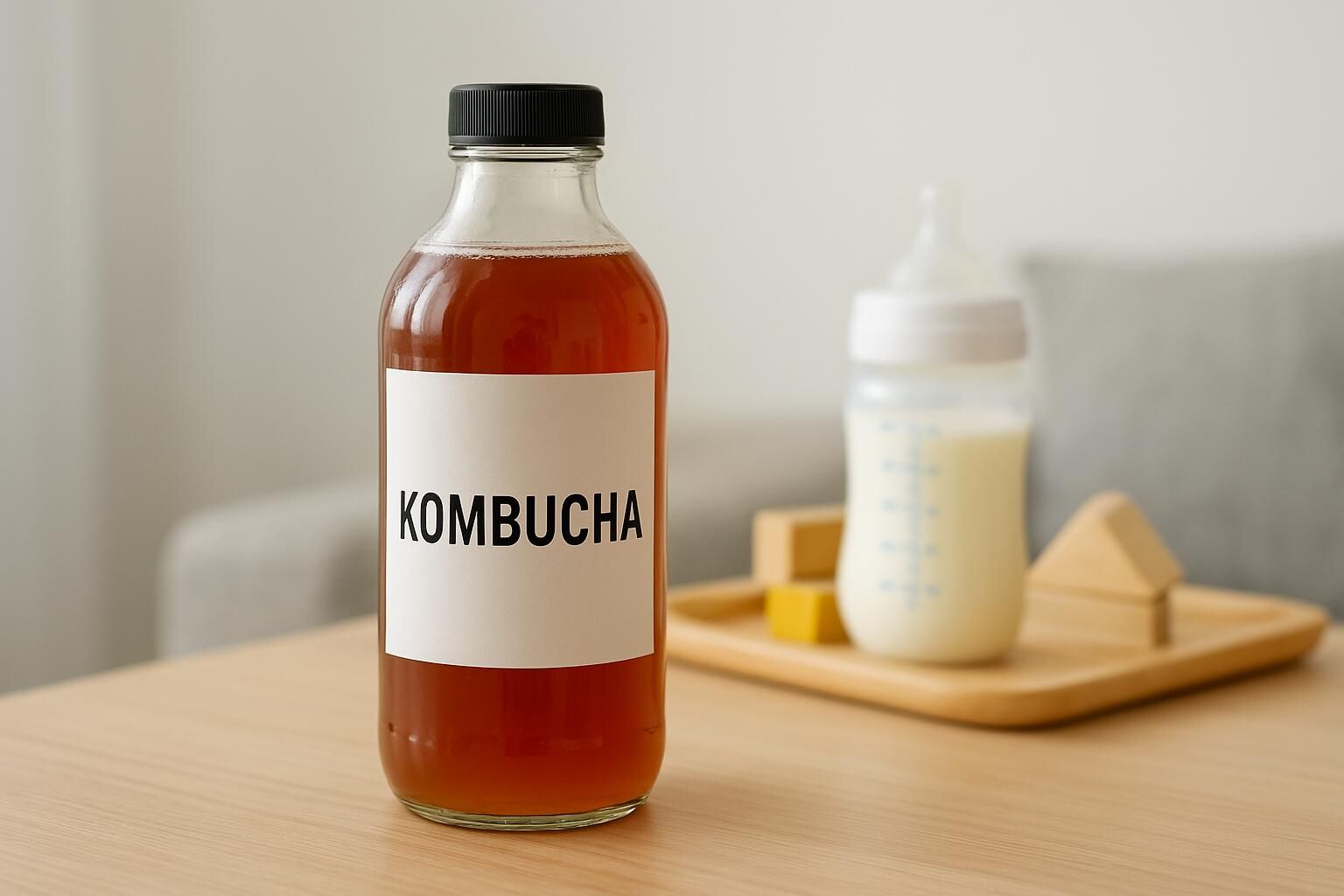

No, drinking coffee does not induce labor. While caffeine can stimulate your digestive system and increase alertness, there’s no scientific evidence that coffee triggers uterine contractions or causes labor to start.
Experts recommend keeping caffeine intake below 200 mg per day during pregnancy, as excessive amounts may lead to dehydration or restlessness — but it won’t make labor begin earlier.
Introduction: Can Drinking Coffee Induce Labor?
Many pregnant women in their final weeks wonder — can drinking coffee induce labor? It’s a common question fueled by online stories and “labor drink” trends claiming caffeine might help start contractions. Coffee is a natural stimulant, so it’s easy to see why some believe it could jumpstart labor. However, scientific evidence doesn’t support this idea. While moderate caffeine intake is considered safe during pregnancy, it doesn’t trigger the hormonal or uterine changes needed to begin labor. In reality, drinking coffee might boost energy or digestion, but it won’t cause your body to go into labor naturally.

Understanding How Labor Begins Naturally
Before exploring whether coffee can influence labor, it helps to understand how the process starts on its own. Labor is triggered by a complex balance of hormones — primarily oxytocin, prostaglandins, and estrogen — which signal the uterus to begin contracting and the cervix to soften. These natural changes prepare your body for birth at the right time.
Many home remedies, like walking, spicy foods, or drinking coffee, are said to stimulate uterine contractions. However, the body’s readiness for labor depends more on hormonal cues than on external triggers. While caffeine may temporarily increase heart rate or digestion, research shows it doesn’t affect the hormonal or muscular processes that initiate true labor.
What Science Says About Caffeine and Pregnancy
Scientific research has examined caffeine’s role in pregnancy for decades, and the findings are clear — moderate intake is generally considered safe, but it doesn’t induce labor. When you drink coffee, caffeine crosses the placenta, meaning your baby is exposed to it too. However, there’s no evidence linking caffeine to stronger uterine contractions or early delivery.
Experts, including the American College of Obstetricians and Gynecologists (ACOG), recommend limiting caffeine to under 200 mg per day — roughly one 12-ounce cup. Exceeding this amount may increase risks such as low birth weight, but it won’t start labor. In short, while caffeine can boost your energy, it doesn’t have the hormonal influence required to begin labor naturally.

Can Drinking Coffee Induce Labor? Myths vs. Evidence
| Subtopic | Details |
|---|---|
| Claim Overview | Despite popular belief, there’s no scientific proof that drinking coffee can induce labor. |
| Why the Myth Exists | Some women who drink coffee before going into labor were already near delivery, making the timing coincidental. |
| Caffeine’s Actual Effect | Caffeine can stimulate digestion and cause mild cramping, which some mistake for early contractions. |
| Scientific Evidence | Studies show that caffeine does not trigger the hormonal or uterine changes required for true labor. |
| Popular Trends | The “Starbucks labor drink” trend helped spread this misconception across social media. |
| Expert Consensus | Research consistently finds caffeine isn’t an effective or safe method for inducing labor. |
| Final Takeaway | A cup of coffee may offer comfort or energy, but it’s not the push your body needs to start labor naturally. |
Caffeine Safety and Risks During Late Pregnancy
In the final weeks of pregnancy, many women wonder how much caffeine is safe. Experts agree that up to 200 mg of caffeine per day — about one regular cup of coffee — is generally safe for most healthy pregnancies. However, excessive intake may lead to dehydration, faster heart rate, or restlessness. Some studies link high caffeine levels to low birth weight or pre-term labor, though evidence is mixed.
If you enjoy coffee in late pregnancy, moderation is key. While it won’t induce labor, staying within safe caffeine limits supports both your comfort and your baby’s well-being.
Better Supported Natural Ways to Encourage Labor
| Natural Method | How It May Help | Scientific Support / Notes |
|---|---|---|
| Walking or Light Exercise | Encourages baby to move lower into the pelvis, possibly helping the cervix to dilate gradually. | Mild evidence suggests it may support labor readiness but won’t start contractions on its own. |
| Eating Dates | May promote cervical ripening and improve readiness for labor. | Some studies link date consumption to shorter early labor phases. |
| Sexual Activity | Prostaglandins in semen may help soften and prepare the cervix. | Safe for most pregnancies unless advised otherwise by a healthcare provider. |
| Drinking Coffee | Provides temporary energy and comfort but does not induce labor. | No scientific evidence supports coffee as a natural induction method. |
FAQs
Q1: Can drinking coffee really induce labor naturally?
No, research shows that caffeine doesn’t trigger true uterine contractions or hormonal changes that start labor. While some women report going into labor after coffee, this is usually coincidence rather than cause.
Q2: How much caffeine is safe in late pregnancy?
Most experts, including ACOG, recommend keeping caffeine under 200 mg per day — about one 12-ounce cup of coffee. Staying within this limit is considered safe for both you and your baby.
Q3: Is decaf coffee safe during pregnancy?
Yes. Decaf coffee contains only a small amount of caffeine, making it a safer choice if you want the flavor without increasing your intake.
Q4: Why do people think coffee can start labor?
Caffeine can stimulate digestion and cause mild cramping, which some women mistake for contractions. These sensations may happen around the same time labor naturally begins, leading to the myth that coffee caused it.
Q5: What are safer natural methods to help labor start?
Walking, gentle exercise, nipple stimulation, and eating dates have some evidence for supporting labor readiness. However, none guarantee results, and you should always check with your healthcare provider first.
Q6: Is it okay to drink coffee during active labor?
Some hospitals allow small amounts of fluids, including coffee, but it’s best to ask your provider. Excess caffeine may cause dehydration, so water or electrolyte drinks are better for maintaining energy during labor.