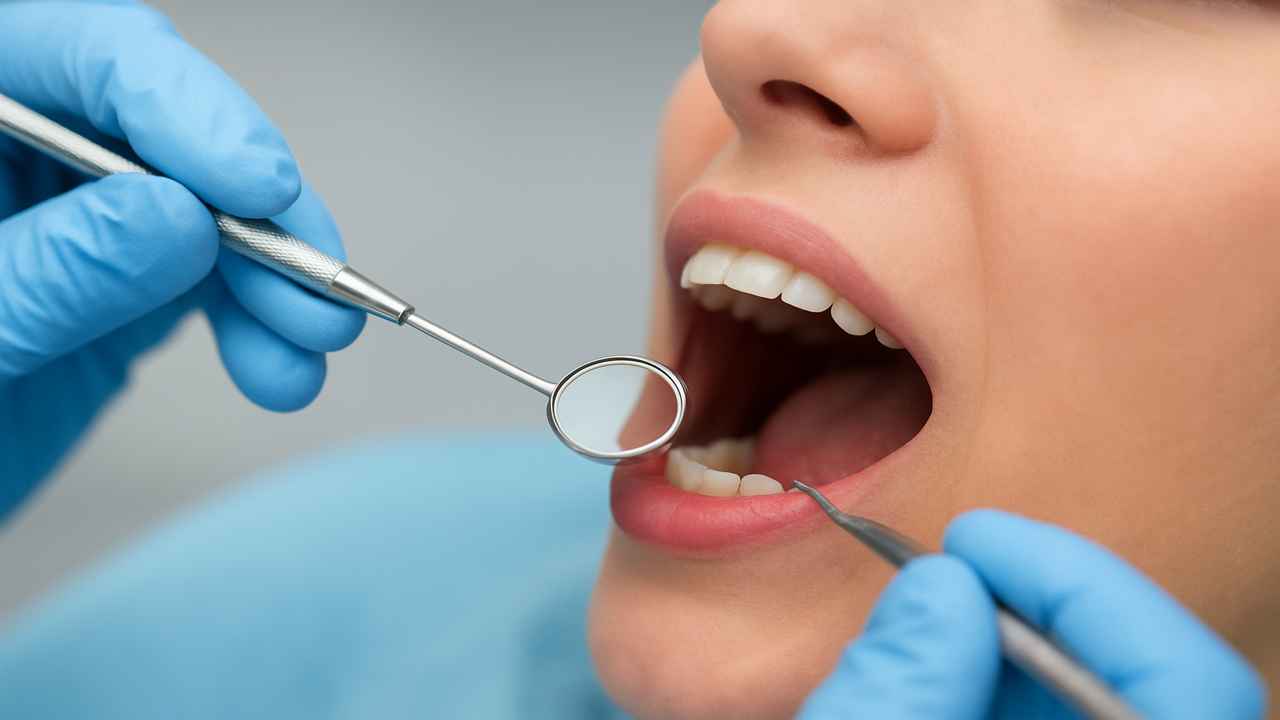

Yes, you can drink alcohol after getting a permanent crown, but dentists recommend waiting at least 24–48 hours.
This allows the dental cement to fully harden and your gums to settle, reducing the risk of irritation or loosening. For temporary crowns, avoid alcohol entirely until your permanent crown is placed.
Alcohol and Dental Crowns: Temporary vs Permanent
| Type of Crown | Material & Adhesive | Risks of Alcohol | Best Practice |
|---|---|---|---|
| Temporary Crown | Made of acrylic or composite resin; held with weaker, temporary cement | Alcohol can weaken cement, cause leakage, dislodge crown, or stain material | Avoid alcohol until permanent crown is placed; if unavoidable, drink cool, non-acidic beverages only after several hours |
| Permanent Crown | Made of porcelain, zirconia, metal, or ceramic; bonded with strong dental cement | Lower risk, but hot or acidic alcohol may cause gum irritation, sensitivity, or staining at margins | Wait 24–48 hours after placement before drinking; rinse with water after alcohol to protect crown and natural teeth |
Why You Need to Be Cautious
When your permanent crown is placed, it’s typically cemented or bonded with dental cement that needs time to fully set. The area around the crown may also be slightly sensitive, swollen, or irritated. Alcohol can interfere with this setting process in a few ways:
- Irritation: Alcohol is drying and can aggravate the gums, especially while they are healing.
- Medication interactions: If your dentist prescribed painkillers or antibiotics, alcohol may interact poorly with them.
- Temperature stress: Hot or very cold alcoholic beverages can cause sensitivity and expand or contract materials, putting stress on the bonding.
According to Archer Dental after-care advice for crowns: waiting at least 24 hours after a permanent crown is generally safe before consuming alcohol.
When It’s Usually Safe
| Time Since Crown Placement | What You Can Do | Key Notes |
|---|---|---|
| First 1-24 hours | Avoid alcohol, stick with water or room-temperature safe drinks | Allow the cement or bonding to start setting. Sensitivity and gum irritation likely. |
| 24-48 hours | You may be able to have a small, mild alcoholic drink (room temperature or cool) if no swelling or discomfort | Continue following dentist’s advice; avoid hot, very acidic alcohols. |
| After 48 hours | Most people can resume normal, moderate alcohol use | Still be mindful of drinks that stain, dehydrate, or irritate gums. |
Factors That Might Extend Wait Time
Your recovery and how soon alcohol will be safe depends on multiple factors:
- Type of crown and cement used: Some bonding agents take longer to fully cure.
- Gum health prior to placement: If gums were inflamed, recessed, or had periodontal issues before the crown, healing may be slower.
- Medication or health conditions: If you are on certain antibiotics, or have health issues that delay healing, your dentist may suggest you wait longer.
- Sensitivity & symptoms: If you notice pain, swelling, or discomfort around the crown, it’s a sign that your mouth isn’t fully ready.
Dos & Don’ts
Doing the right things helps protect your permanent crown and minimize risk. Here are some clear dos and don’ts:
Dos:
- Wait at least 24 hours before drinking alcohol, especially if the dentist applied permanent cement.
- Use lukewarm or room-temperature beverages first.
- Rinse your mouth with water after drinking alcohol to reduce acidity.
- Maintain good oral hygiene: brush gently, use soft toothbrush, floss carefully around crown margins.
- Monitor for signs of sensitivity or irritation; if these persist, give it more time.
Don’ts:
- Avoid hot or very cold alcoholic drinks during the first 24-48 hours.
- Don’t mix alcohol with pain meds or antibiotics without checking with your dentist.
- Skip alcoholic drinks that are strongly acidic or heavily carbonated—they can stress the cement or irritate gums.
- Don’t bite or chew hard solids on the crowned tooth until you’re confident it’s fully set.
- Avoid smoking or tobacco use; these also delay healing and affect gum health.
Risks of Drinking Too Soon
Drinking alcohol too early after crown placement can lead to:
- Loosening or failure of the cement bond, making the crown less stable.
- Increased sensitivity to temperature or pressure.
- Irritation or inflammation of gums; sometimes even mild bleeding.
- Risk of infection if alcohol irritates gums while healing is still underway
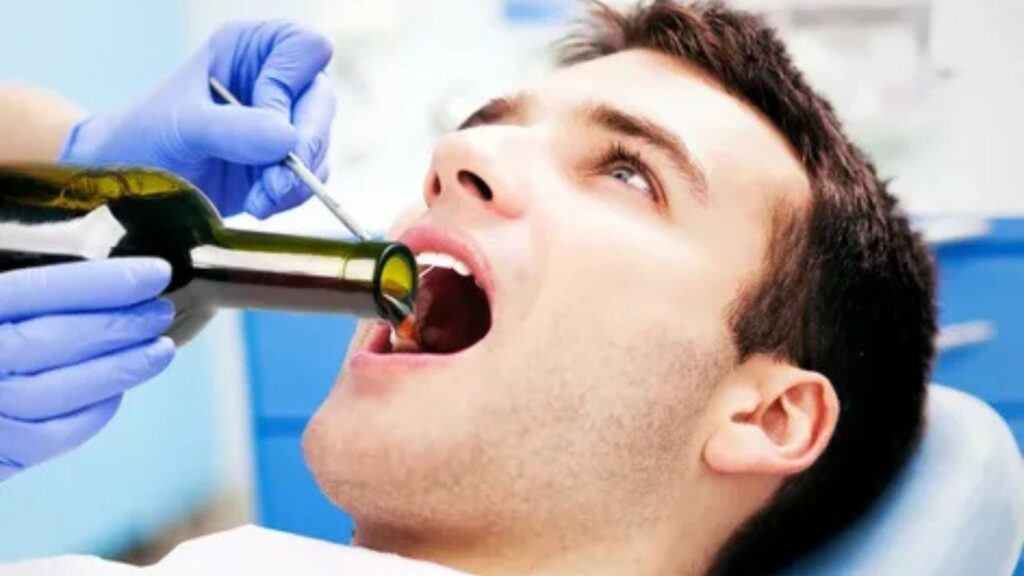
Practical Tips When You Do Resume Alcohol
Once you’ve passed the safe waiting period (as recommended by your dentist), you can resume alcohol more safely with these habits:
- Stick to moderation, not heavy drinking.
- Choose milder alcoholic drinks (e.g. wine over hard liquor) and avoid acidity and sugars.
- Rinse your mouth afterward with water to neutralize acidity.
- Avoid drinking through straws forcibly contacting crown margins.
- Keep up with follow-up dental checkups so your crown health is monitored.
FAQ
1. Can I have a drink the same day I get a permanent crown?
You should wait at least 24 hours. Alcohol may interfere with bonding and increase risk of irritation.
2. What kind of alcohol is safer?
Cool or room-temp mild drinks (like wine diluted or low-acid cocktails) are better. Avoid hot or strongly acidic drinks.
3. Does alcohol affect how long the crown lasts?
Frequent exposure to alcohol (especially acidic or sugary ones) may weaken cement or stain the edges of the crown over time, but occasional moderate drinking is usually fine once healing is done.
4. How long will sensitivity last after getting a crown?
Some sensitivity to hot or cold temperatures is common in the first few days to a week. This usually subsides as gums heal around the crown.
5. Should I avoid alcohol if I have medication?
Yes. If you’re taking antibiotics or pain relief, alcohol can interfere with how these work or amplify side effects. Always follow your dentist’s guidance.