
Yes, you can drink matcha while breastfeeding, but moderation is essential. Limit caffeine to 200–300 mg daily, which usually means one small serving of matcha per day. Each baby’s sensitivity differs, so watch for fussiness, poor sleep, or restlessness.
Compared to coffee, matcha’s L-theanine helps balance caffeine’s effect, making it a gentler choice for many nursing moms.
Introduction
Many new moms ask: can I drink matcha while breastfeeding? Matcha tea is rich in antioxidants and provides smoother energy than coffee, but it contains caffeine that transfers into breast milk. The key is moderation and understanding how matcha affects both mom and baby. In this guide, we’ll compare matcha to coffee, cover health benefits, discuss potential risks, and share safe tips for nursing mothers who want to include matcha in their postnatal diet.
What Is Matcha?
Before we dive deeper into can I drink matcha while breastfeeding, it helps to understand what matcha actually is. Matcha is a finely ground powder made from specially grown green tea leaves. Unlike regular green tea, where you steep and remove the leaves, matcha is whisked into water or milk, meaning you consume the whole leaf. This process delivers a concentrated source of antioxidants, amino acids like L-theanine, and moderate caffeine. Traditionally used in Japanese tea ceremonies, matcha has now become popular worldwide as a healthier, gentler alternative to coffee.
6 benefits of drinking matcha while breastfeeding
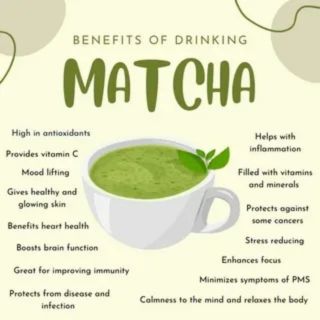
Many moms ask not just can I drink matcha while breastfeeding, but also what benefits it may bring. Here are six reasons matcha can be a smart choice:
- Antioxidant boost: Matcha is rich in catechins, especially EGCG, which support recovery and overall health after childbirth.
- Balanced energy: The mix of caffeine and L-theanine provides focus without the crash linked to coffee.
- Sharper focus: Green tea compounds may ease brain fog and improve concentration.
- Hydration support: As a tea-based drink, matcha contributes to daily fluid needs.
- Low calorie: Unsweetened matcha lattes fit into a healthy breastfeeding diet.
- Mindful ritual: Preparing a cup can be a calming self-care routine for new mothers.
These benefits explain why matcha often feels like a safer, more nourishing alternative to coffee while nursing.
How matcha differs from coffee
| Feature | Matcha Tea | Coffee |
|---|---|---|
| Caffeine | Moderate ( 60–70 mg per serving) — less likely to overstimulate your baby | High ( 95–120 mg per cup), stronger effect on infant sleep |
| L-theanine | Present — calms and balances caffeine impact | Absent — may cause jitters or crashes |
| Antioxidants | Rich in catechins, especially EGCG | Contains antioxidants but far fewer than matcha |
| Energy effect | Smooth, steady alertness | Quick boost followed by potential crash |
Risks & cautions (caffeine, iron absorption, herbs/contaminants)
As with any caffeinated drink, the question can I drink matcha while breastfeeding also requires looking at possible downsides.
- Caffeine transfer: Even small amounts reach breast milk. Some infants—especially younger ones—may become fussy or struggle to sleep if mom consumes too much.
- Daily limits: Health experts recommend keeping total caffeine intake between 200–300 mg a day. A single serving of matcha usually fits within this range, but combining it with coffee or soda can push levels higher.
- Iron absorption: Matcha’s tannins can interfere with the body’s ability to absorb iron, a nutrient vital for postpartum recovery.
- Quality concerns: Low-grade powders may contain lead or pesticide residues. Choosing organic, third-party tested matcha helps minimize this risk.
Balancing these factors ensures you enjoy matcha safely while nursing your baby.
Practical Guidelines for Nursing Moms
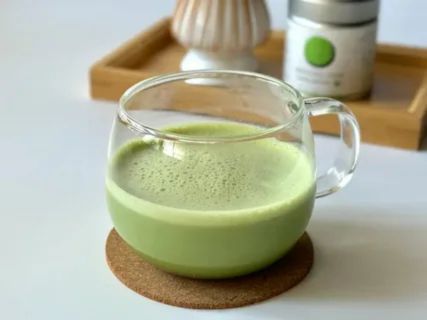
So, can I drink matcha while breastfeeding every day? Yes—if you follow a few simple rules. Stick to one small cup per day (about one teaspoon of powder) to keep caffeine within safe limits. Try not to drink matcha right before nursing or pumping since caffeine peaks about an hour after consumption. To protect iron absorption, enjoy matcha between meals instead of with iron-rich foods. If your baby seems unusually fussy or restless, cut back or switch to decaf matcha or caffeine-free alternatives like rooibos tea. Choosing high-quality, organic powders is also essential to avoid contaminants. With these guidelines, breastfeeding moms can enjoy the calming energy of matcha without worry.
FAQs
1. Will matcha affect my milk supply?
No, matcha doesn’t decrease supply. The main concern is caffeine, which may affect your baby’s sleep if you drink too much.
2. Can I drink matcha daily while breastfeeding?
Yes, in moderation. One serving per day keeps caffeine within the recommended 200–300 mg limit for nursing mothers.
3. Is decaf matcha better for breastfeeding moms?
Decaf matcha lowers caffeine, but trace amounts remain. It can be a good choice if your baby is sensitive.
4. Will matcha make my baby fussy?
Some infants are more sensitive to caffeine. If you notice irritability, reduce or pause your intake.
5. Is matcha safer than coffee while breastfeeding?
Yes, many moms find matcha gentler thanks to its lower caffeine content and calming L-theanine


