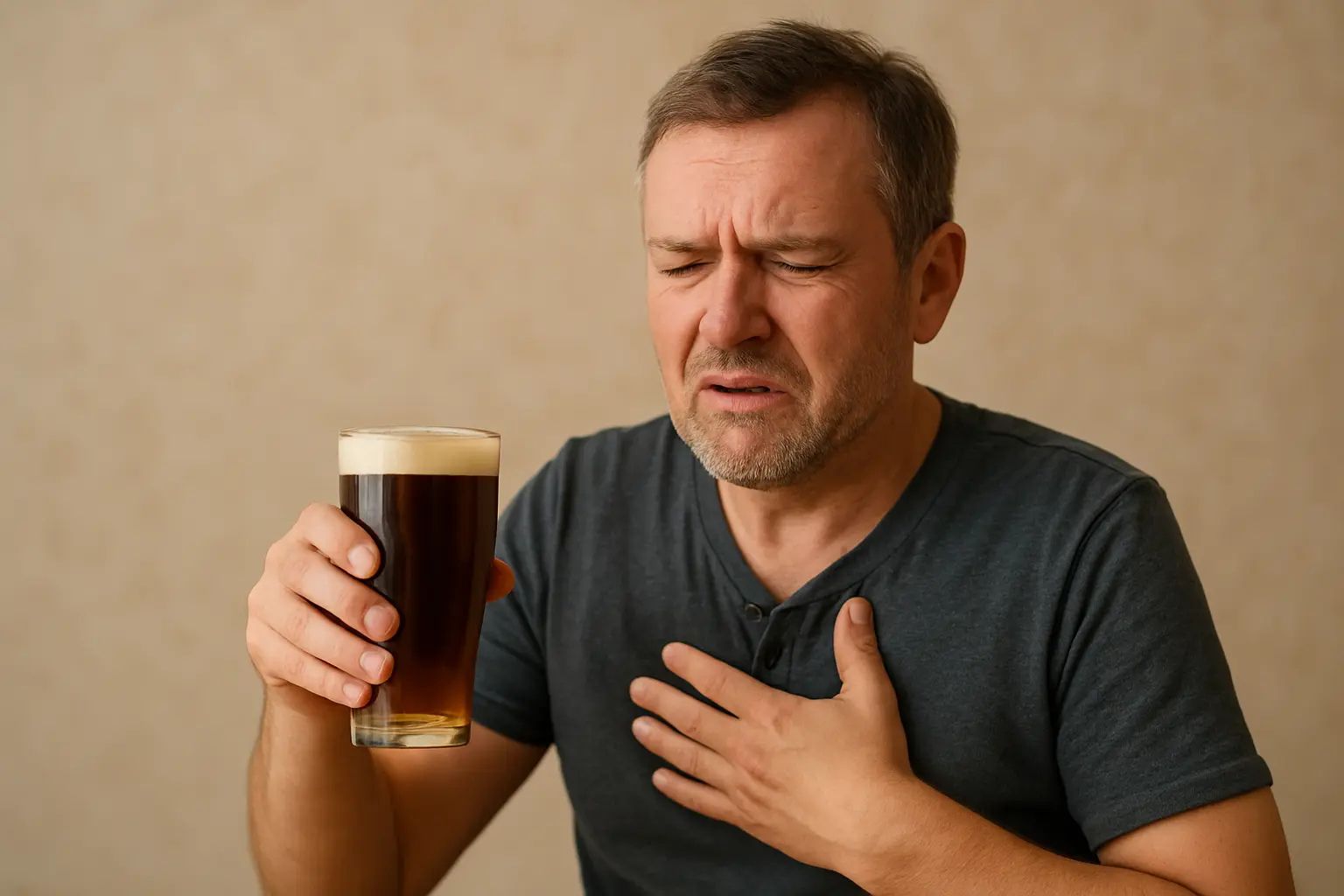
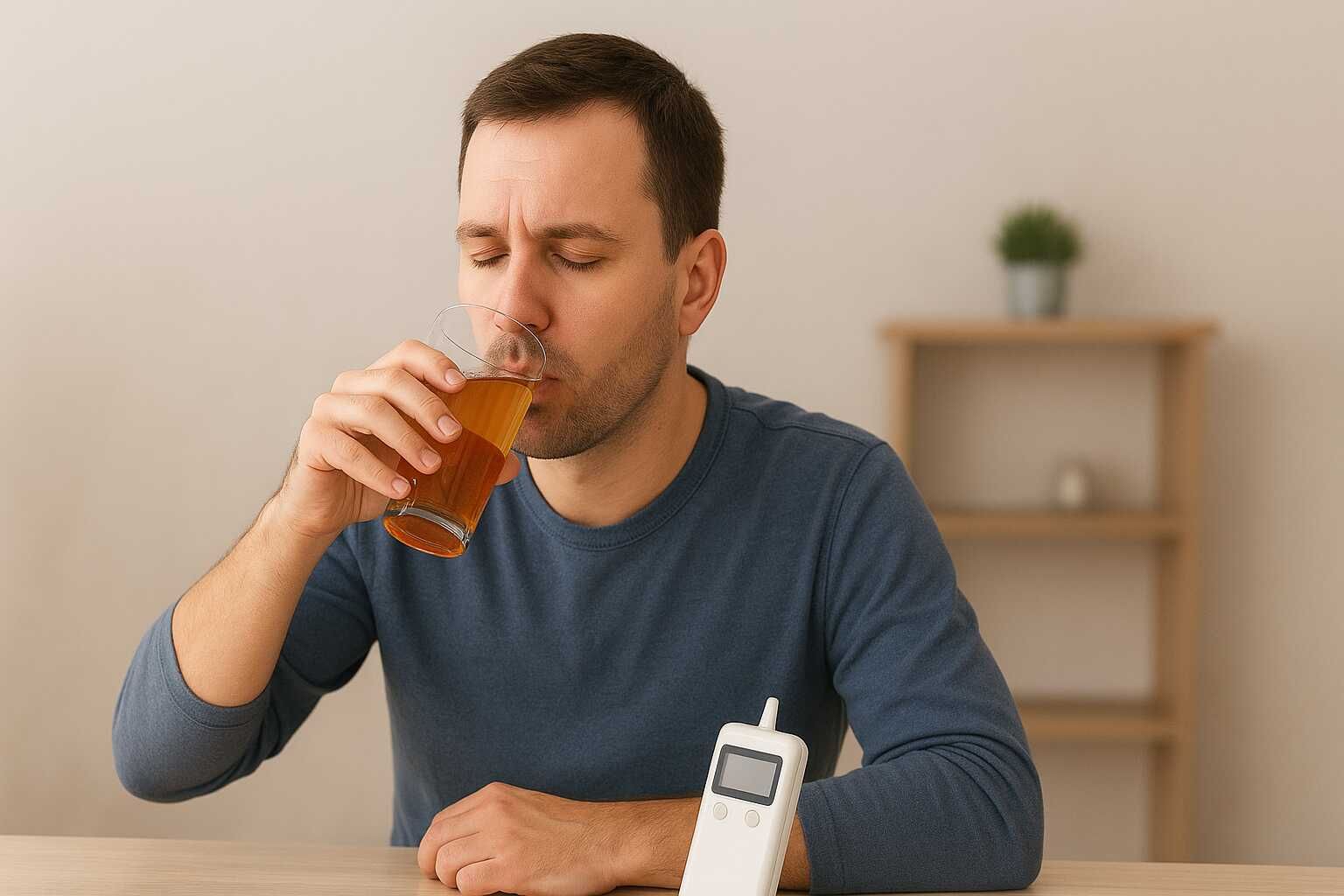
Yes — a PEth test can detect occasional drinking. PEth forms in the blood after even small amounts of alcohol, which means social or light drinking may still show up on test results for up to 3–4 weeks.
Because PEth is highly sensitive and difficult to avoid, it is one of the most reliable ways to check for recent alcohol use, even if someone only drinks occasionally.
What Is a PEth Test and How Does It Work?
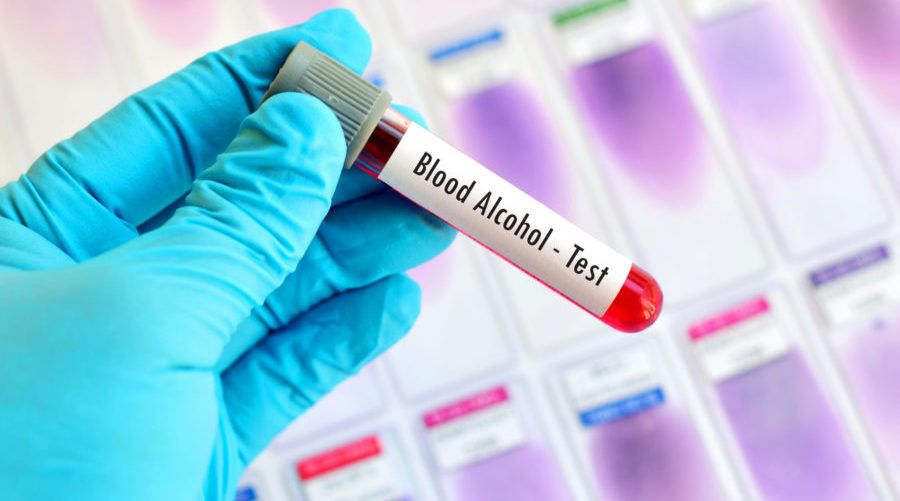
If you’ve been asked to take a PEth test, you might be wondering what exactly it detects — especially if you only drink every once in a while. PEth, short for Phosphatidylethanol, is a biomarker that forms in the bloodstream only when alcohol is consumed. That’s what makes the PEth test different from a regular blood alcohol test. It doesn’t measure alcohol currently in your body — it measures evidence of drinking within the recent weeks.
When alcohol enters the blood, PEth slowly builds up inside red blood cell membranes. Because of this, doctors and testing programs use it to confirm drinking patterns with high accuracy. Even small amounts of alcohol leave a trace that PEth can detect later. That’s why people often ask whether a PEth test can detect occasional drinking. The short answer: this test is sensitive, so even limited drinking may be noticed.
Can PEth Test Detect Occasional Drinking?
The question most people worry about is: can PEth test detect occasional drinking? The reality is yes — even one or two drinks can trigger a detectable PEth level in some individuals. That’s because PEth forms whenever alcohol is present, not just when drinking heavily. So if you enjoyed a casual drink at a weekend dinner or a celebration, the test may still pick it up days or even weeks later.
However, the results do vary. Someone who has a single light drink may show a very low PEth value, while another person could show a stronger response depending on their metabolism, body weight, and how often they usually drink. Labs also evaluate thresholds that distinguish between social drinking and consistent heavy drinking. This means a low number doesn’t automatically suggest a problem — just that alcohol was consumed recently.
If you’re under monitoring programs, it’s important to understand this sensitivity to avoid unexpected outcomes.
How Long Occasional Drinking Shows Up on a PEth Test
One of the biggest concerns people have is how long occasional alcohol use remains detectable. If you’re wondering can PEth test detect occasional drinking weeks later, the answer is often yes. PEth can stay in the blood for 2 to 4 weeks after alcohol consumption because the compound remains embedded in red blood cells until they naturally break down. For someone who rarely drinks, low-level PEth can still linger for 10–14 days, depending on their metabolism, weight, and the amount consumed.
Even just 1–2 drinks may produce a measurable PEth level — especially if the test is taken within a week. However, occasional drinking typically results in lower PEth values compared to frequent or binge drinking. So while the test is designed to identify patterns of alcohol use, it does not ignore one-off social drinking. If someone has an upcoming test, even casual alcohol intake should be avoided to prevent unexpected results.
PEth Test Result Levels Explained
| PEth Level (ng/mL) | What It Means | Interpretation for Occasional Drinking |
|---|---|---|
| < 20 ng/mL | Very low or no alcohol exposure | May indicate rare or one-time drinking within past 1–2 weeks |
| 20 – 200 ng/mL | Moderate or repeated drinking | Occasional or weekend drinking typically falls in this range |
| > 200 ng/mL | Heavy or frequent drinking | Regular alcohol use, multiple drinking episodes per week |
| > 10 ng/mL (in stricter programs) | Positive for alcohol use | Some legal/medical systems flag any alcohol exposure |
Can One Drink Cause a Positive PEth Test?
Yes, even one drinking session can trigger a positive PEth test, depending on how much alcohol is consumed and individual metabolism. The primary concern for anyone asking can PEth test detect occasional drinking is that the test is extremely sensitive — much more than breath, urine, or hair tests. If someone drinks three to four standard drinks in one night, PEth may form in detectable amounts within hours. Even a single drink could produce a small rise in PEth in some people.
Factors like body weight, binge intensity, liver health, and drinking frequency influence results. For occasional drinkers, PEth levels usually remain on the low end, but still above the negative cutoff in many testing programs. So, if someone is facing testing due to probation, court orders, professional monitoring, or medical evaluation, the safest approach is to avoid alcohol entirely, because “just one time” is rarely invisible to PEth screening.
Detection Window for Occasional Drinking
| Drinking Pattern | Approx. PEth Detection Window | Likelihood of Showing Up on Test |
|---|---|---|
| 1–2 drinks (single event) | 7–14 days | Possible detection at low levels (<20 ng/mL) |
| Light occasional drinking (1–2 drinks/week) | 2–3 weeks | Likely detectable, depending on metabolism |
| Weekend binge drinking (4+ drinks in one night) | 3–4 weeks | Highly likely to be detected due to spike in PEth |
| Repeated social drinking (multiple weekends) | 4+ weeks | Very likely to show moderate/high PEth levels |
Risk of False Negatives With Occasional Drinking
Some people hope that because they only drink once in a while, the test might not pick it up. But can PEth test detect occasional drinking? Yes — though in some rare cases, low consumption may result in levels too small to measure, especially if:
- The person drinks a very small amount (like one beer)
- The test is taken more than 10–14 days later
- The body metabolizes alcohol quickly
- The PEth testing threshold is set higher by the lab
Even in these situations, false negatives are not common. PEth is designed to capture any recent drinking, not just heavy or ongoing alcohol use. That’s why probation programs, child custody cases, and liver clinics use it — it’s difficult to “beat.” If someone wants to avoid a positive result, complete abstinence is the only reliable approach.
FAQs — Can PEth Test Detect Occasional Drinking?
1.Can PEth test detect occasional drinking?
Yes. Even light or occasional drinking can show up on a PEth test because PEth forms in the blood after any alcohol intake — not just heavy drinking.
2.How long can a PEth test detect occasional drinking?
PEth detection lasts up to 3–4 weeks after casual drinking. Smaller amounts (1–2 drinks) may remain detectable for 10–14 days, depending on metabolism and lab thresholds.
3.Will one drink show up on a PEth test?
It can. If the test is done within a week or two, even a single beer or glass of wine might create measurable PEth.
4.Can I pass a PEth test if I only drink on weekends?
Probably not. Weekend or “social drinking” typically creates PEth levels strong enough to be detected for several weeks afterward.
5.What PEth level shows drinking?
Any result above the cutoff (often 20 ng/mL) suggests alcohol use. Levels above 100–200 ng/mL usually indicate moderate-to-heavy drinking.
6.Is PEth more accurate than an EtG urine test?
Yes. PEth is considered more reliable because it directly measures alcohol metabolites in blood and has a longer detection window.
7.Can hydration, exercise, or detox drinks hide occasional drinking?
No. Unlike urine tests, PEth cannot be flushed out. Only abstinence prevents detection.