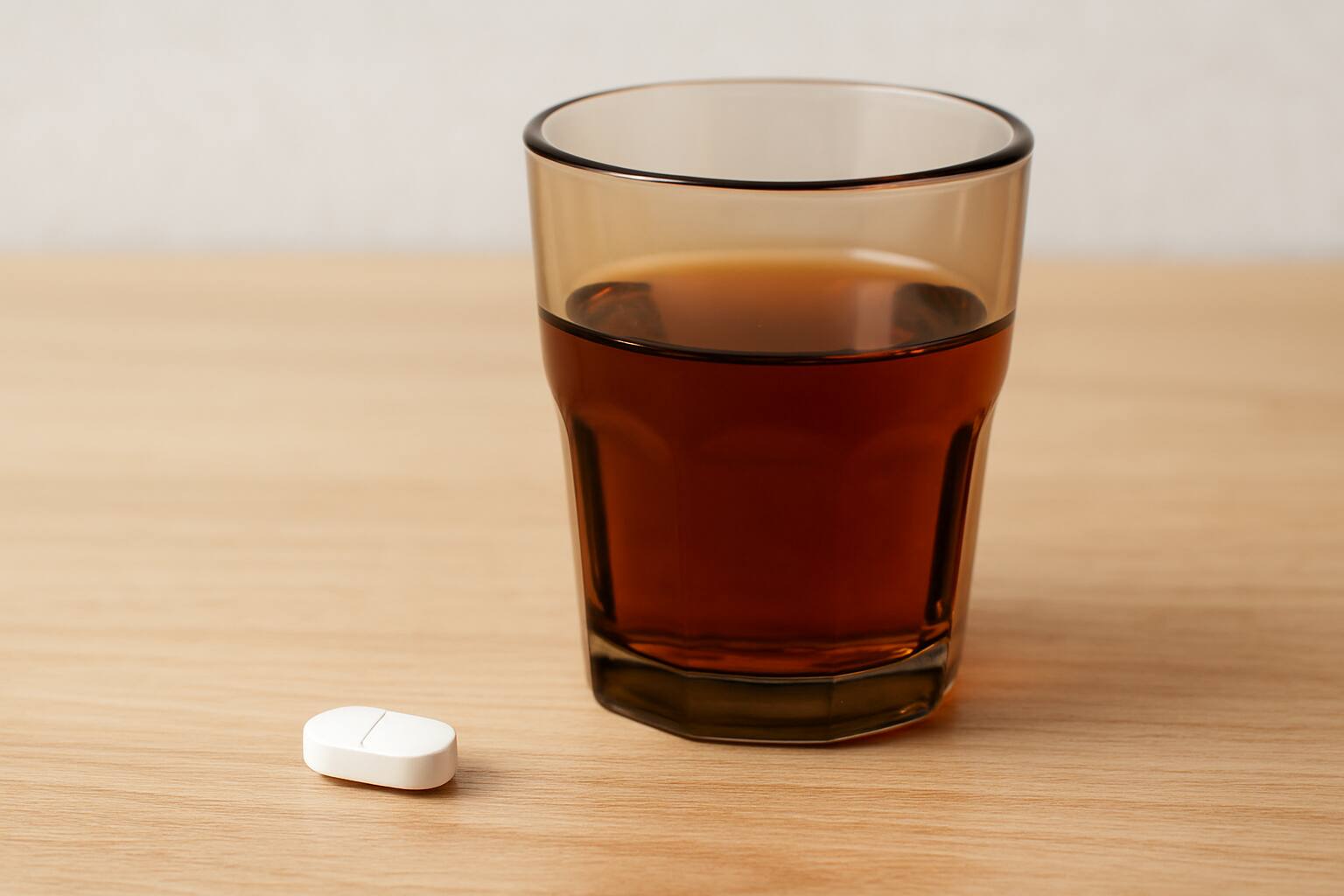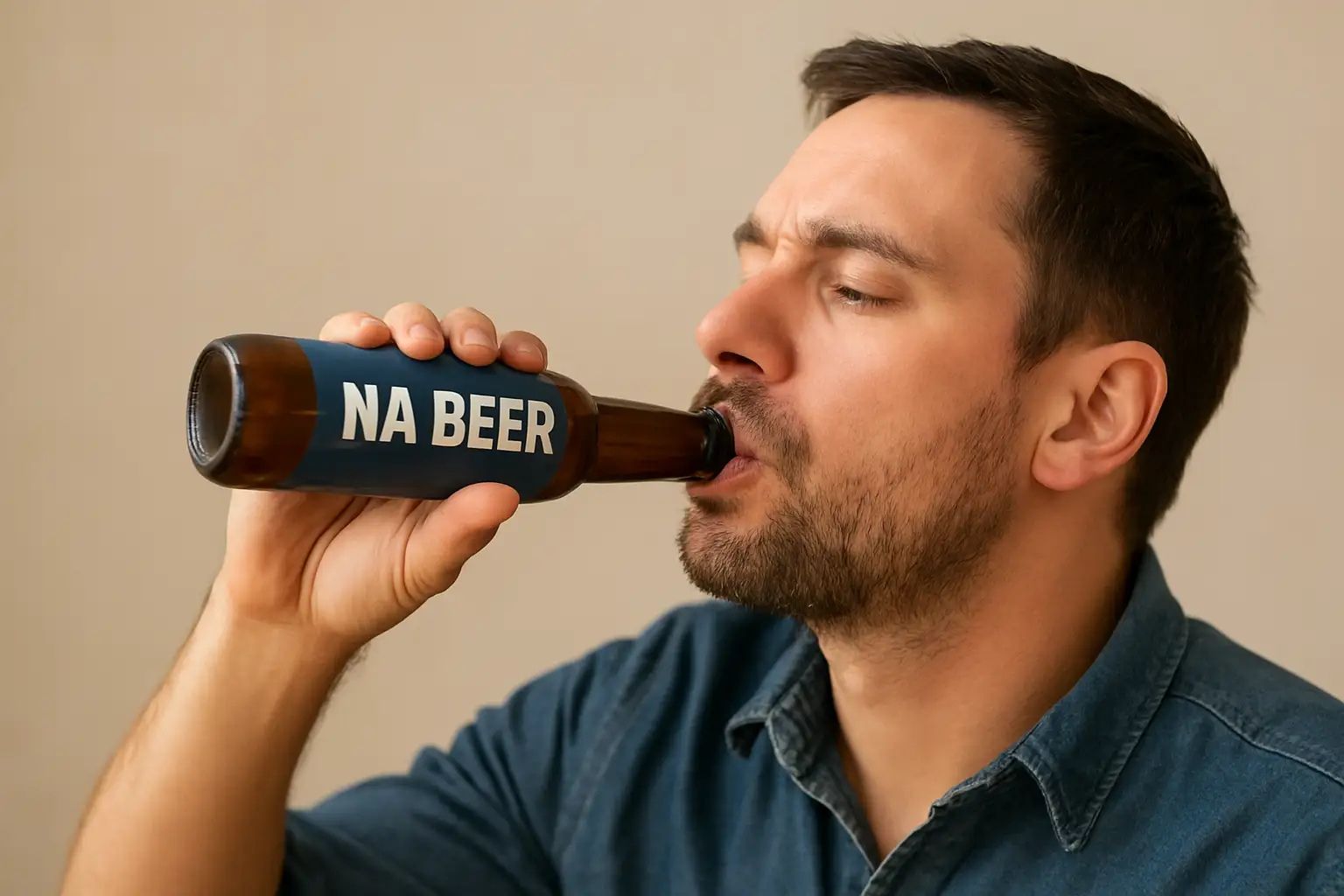
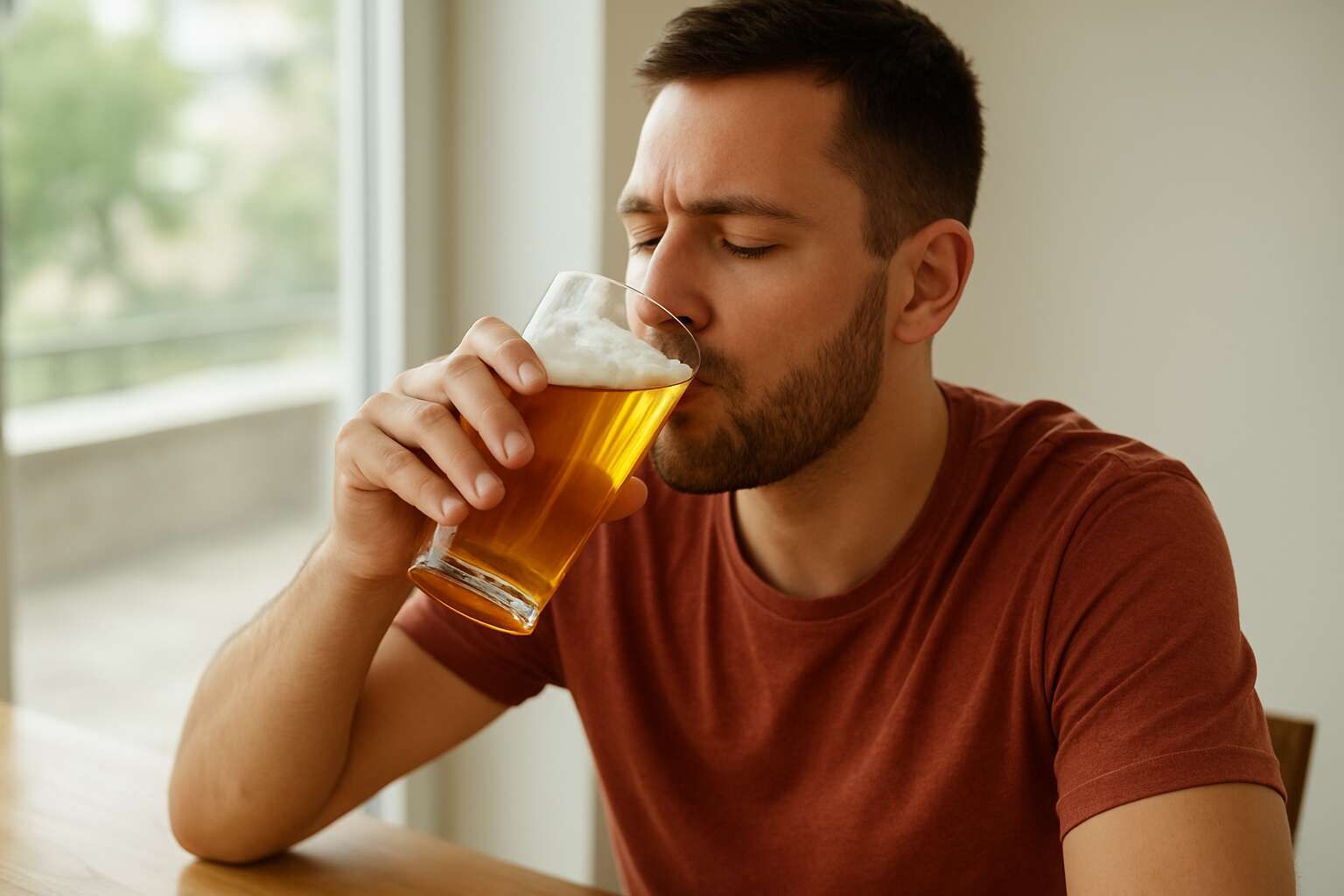
Yes, beer left out overnight or for a short period is usually safe to drink, but it may lose its freshness and taste flat. Open beer degrades faster due to air exposure, and unrefrigerated beer can lose flavor more quickly.
If the beer smells sour, tastes off, or looks cloudy, it’s best to discard it. For optimal flavor, consume opened beer within 24 hours and keep it refrigerated whenever possible.
Introduction
It’s a situation most people have faced at least once—finding a beer that was left sitting out and wondering, can u drink left out beer without any issues. The short answer isn’t a simple yes or no.
Whether beer is still drinkable depends on how long it sat out, if it was opened, and the conditions around it. While beer doesn’t spoil as quickly as food, time, air exposure, and temperature can all affect safety and taste. Understanding these factors helps you decide when it’s fine to drink and when it’s better to pour it out.
What Happens to Beer When It’s Left Out
When beer is left out, the biggest changes happen in quality rather than safety. Once a bottle or can is opened, oxygen starts interacting with the beer, a process known as beer oxidation. This leads to dull flavors, a slightly cardboard-like taste, and a noticeable loss of carbonation. Even unopened beer left out unrefrigerated for long periods can suffer from flavor breakdown, especially in warm or bright environments.
Carbon dioxide slowly escapes, causing beer to go flat, while delicate aromas fade. Although beer has a relatively long shelf life compared to many beverages, exposure to air and heat speeds up flavor degradation. In most cases, beer left out won’t make you sick, but it often won’t taste the way it was intended to.
How Long Can Beer Sit Out and Still Be Drinkable?
Can U Drink Left Out Beer After a Few Hours?
If you’re asking can u drink left out beer after it’s been sitting out for a few hours, the answer is usually yes. Beer left out for one to four hours at room temperature is generally safe to drink, especially if it was unopened. However, you may notice a slight drop in carbonation and freshness. The taste might feel flatter, but there’s little risk from a safety standpoint.
Can U Drink Left Out Beer Overnight or Up to 48 Hours?
Beer left out overnight or for up to a full day is still typically safe, but quality declines quickly. Open beer exposed to air loses carbonation faster and develops stale flavors due to oxidation. Unopened beer left out unrefrigerated may hold up better, but warmth and light can still affect taste. By 24 to 48 hours, most beers will taste noticeably flat or dull.
Can U Drink Left Out Beer After More Than 48 Hours?
After two days, drinking left out beer becomes less appealing. While it may not be dangerous, the flavor is often poor, and there’s a higher chance of contamination if the beer was open. At this point, most people choose to discard it rather than drink beer that’s clearly past its prime.
Is Beer Left Out Unsafe or Just Flat?
A common concern behind the question can u drink left out beer is whether it becomes unsafe or simply loses quality. In most cases, beer left out does not “go bad” in the same way milk or juice does.
Alcohol and hops naturally limit harmful bacteria growth, which means beer rarely becomes dangerous over short periods. What usually changes first is taste. Beer that has been left out open often becomes flat, stale, or slightly bitter due to oxidation and loss of carbonation.
That said, there are times when beer should not be consumed. If a beer smells sour, looks unusually cloudy, or has visible debris, it’s best to discard it. While drinking flat beer won’t usually make you sick, beer that shows clear signs of spoilage isn’t worth the risk. Quality, not safety, is usually the deciding factor.
Factors That Affect Whether You Can Drink Left Out Beer
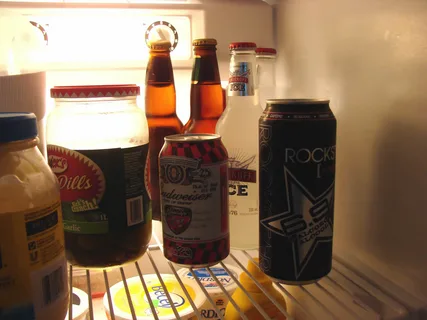
Several factors determine whether you can drink left out beer or if it’s better to toss it. Temperature plays a major role—beer left out in a warm room degrades faster than beer kept in a cool space. Light exposure also matters, especially for clear or green bottles, as UV light can cause off-flavors.
Whether the beer was open or sealed is another key factor. Beer left out open oxidizes quickly and loses carbonation, while unopened beer holds up longer even if unrefrigerated.
The type of beer matters too. Light beers and lagers tend to go flat faster, while higher-alcohol beers may tolerate sitting out slightly better. Following basic beer storage guidelines helps preserve flavor and drinkability.
Best Practices for Handling Leftover Beer
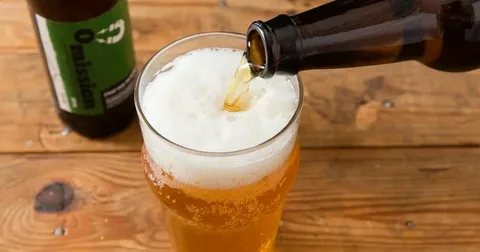
If you want to avoid wondering can u drink left out beer, proper handling makes a big difference. Once a beer is opened, refrigeration is the best way to slow oxidation and preserve carbonation. If possible, reseal the bottle or can using an airtight stopper to limit air exposure.
Keeping beer away from heat and direct light also helps protect flavor. For unopened beer, storing it in a cool, dark place maintains quality longer, even if refrigeration isn’t immediately available.
While these steps won’t restore freshness, they can significantly improve the taste and drinkability of leftover beer.
FAQs: Can you Drink Leftover Beer
1. Can you drink beer left out overnight?
Yes, beer left out overnight is generally safe to drink, but it may taste flat and stale. The loss of carbonation and subtle flavors affects quality rather than safety.
2. Can you drink beer if it was open?
Open beer is exposed to air, which accelerates oxidation and flavor loss. For the best taste, it’s recommended to consume opened beer within 24 hours. After that, it may taste off or stale.
3. Can beer make you sick if left out?
It’s uncommon for beer to cause illness if left out. However, if the beer develops a sour smell, mold, or unusual appearance, it should be discarded to avoid any risk.
4. Can you drink beer that wasn’t refrigerated?
Unrefrigerated beer is usually safe for short periods, especially if it’s not overly warm. Over time, heat can degrade the flavor, making it taste stale or dull.
5. How can you tell if beer has gone bad?
Look for signs like a sour or off smell, unusual cloudiness, or a strange, unpleasant taste. If any of these appear, it’s best not to drink it.