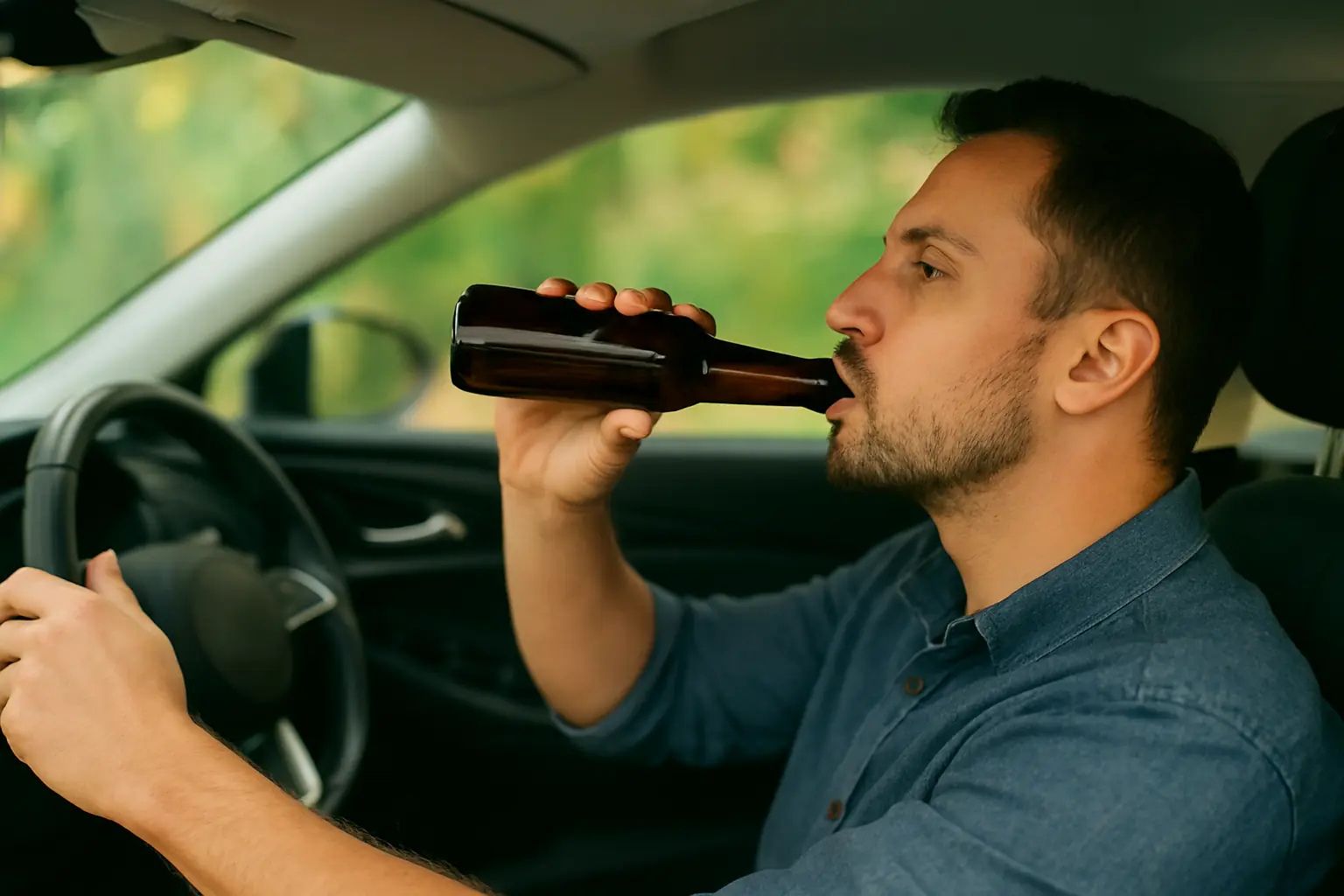

No, you generally can’t drink and drive on private property if it’s accessible to the public. In most states, DUI laws still apply on private land such as parking lots, apartment complexes, or driveways open to public traffic.
However, if the property is fully private and restricted from public access, enforcement may vary. Always check your local DUI regulations before assuming it’s legal to drive after drinking—even on your own property
Can You Drink and Drive on Private Property?
Many people believe that DUI laws only apply to public roads — but that’s not entirely true. If you’re wondering, “Can you drink and drive on private property?” the answer largely depends on where you live and whether that property is accessible to the public. In most states, DUI laws can extend beyond highways and streets to include private land, such as parking lots or apartment complexes.
Even if you’re on your own property, law enforcement may still intervene if your actions pose a risk to others or violate local ordinances. Understanding how DUI on private property works helps you avoid costly mistakes and ensures you stay compliant with state-specific regulations and safety laws.
Do DUI Laws Apply on Private Property?
Yes — in many states, DUI laws do apply on private property under certain conditions. The key factor is whether the property is considered “open to the public.” For instance, if you’re driving under the influence in a store parking lot, apartment complex, or private road that others can access, you can still be charged with DUI.
States like Texas and Florida have broad definitions of DUI zones that include such areas. However, truly private land, like a fenced yard or farm with no public access, may fall outside these rules. Always check your state’s DUI enforcement on private property before assuming it’s safe to drink and drive there.
Public Access vs. Strictly Private Land
The difference between public access and strictly private land plays a major role in determining whether DUI laws apply. If a property is open to the public — like a shopping center, apartment parking lot, or business driveway — it’s generally treated as a public space under DUI law. Police have authority to enforce drunk driving regulations there because anyone can enter or drive through.
On the other hand, a fenced-in property, gated farm, or private residence without public access is typically considered off-limits for DUI enforcement. However, this doesn’t mean you’re completely immune from legal consequences. If your driving endangers others or causes property damage, officers may still have grounds to investigate or issue charges.
How State Laws Differ on Private Property DUI
DUI laws on private property vary widely from state to state. For example, Florida and Utah explicitly state that DUI laws apply “anywhere within the state,” meaning even private land isn’t exempt. Texas allows DUI enforcement in places accessible to the public, such as apartment complexes or parking lots.
In contrast, states like California are more restrictive, applying DUI laws mainly to areas where the public has access rights. These variations show why understanding your local definitions of “private property” is crucial. Even if you’re drinking on your own land, being behind the wheel while intoxicated can still lead to penalties — especially if the area is not completely private or fenced off.

What Are the Penalties for Drinking and Driving on Private Property?
| Offense Context | Possible Penalties | Key Details |
|---|---|---|
| Drinking and driving on private property | Fines, license suspension, DUI education programs, jail time | Penalties often mirror public road DUIs |
| Causing injury or property damage | Aggravated DUI or vehicular assault charges | Can result in severe criminal and civil consequences |
| Endangering others (even on private property) | Vehicle seizure or citation | Applies even on your own driveway or private land |
| Repeat offenses | Ignition interlock device, extended probation, higher fines | Laws are stricter for repeat DUI offenders |
| General rule | Legal penalties remain significant | Private property does not protect you from DUI laws |
Legal Loopholes and Misconceptions About DUIs on Private Property
Many people believe that DUI laws don’t apply on private property — but that’s a common misconception. In most states, “operating a vehicle while impaired” includes both public and private spaces, especially if the area is accessible to others, like shared driveways, apartment parking lots, or private roads. Even if you’re on your own land, police can intervene if your actions pose a risk to yourself or others.
Some drivers assume they can’t be arrested without being on a public highway, but courts often disagree. In short, being on private property doesn’t give you immunity. Drinking and driving laws are designed to protect everyone, regardless of where the impairment occurs.
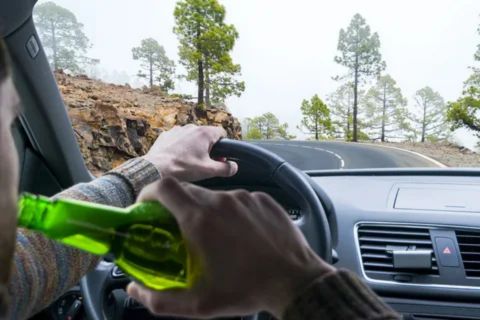
Penalties for Drunk Driving on Private Property
| Offense Context | Possible Penalties | Additional Notes |
|---|---|---|
| Drunk driving on private property | Fines, license suspension, vehicle impoundment, jail time | Applies even if property is privately owned |
| First-time offense | Monetary fines and possible DUI education programs | May include probation or community service |
| Repeat offense | Higher fines, longer suspension, mandatory ignition interlock | Classified as a felony DUI in many states |
| Causing injury or property damage | Felony charges and extended jail sentence | Can also lead to civil lawsuits |
| Driving in publicly accessible private areas | Same penalties as on public roads | Includes parking lots, private roads, or gated communities |
Exceptions and State-Specific Laws
While most states treat drunk driving on private property seriously, there are a few exceptions based on state-specific DUI laws. For example, some states like Texas and Michigan limit DUI enforcement to areas “open to the public,” meaning private farmland or gated properties may not fall under DUI jurisdiction
. However, other states such as Florida, California, and Georgia apply DUI laws even on private property if the location is accessible to the public — like parking lots, driveways, or apartment complexes.
It’s important to understand your local traffic and DUI regulations before assuming immunity. Even where exceptions exist, reckless behavior, endangerment, or property damage can still lead to serious criminal charges or civil liability.
Safety & Responsible Drinking Tips
If you plan to drink on private property, safety should always come first. Avoid getting behind the wheel — even for a short distance — if you’ve consumed alcohol. Instead, designate a sober driver, arrange a rideshare or taxi, or simply stay overnight if you’re at a friend’s house or event.
Always remember that impaired driving can still lead to accidents and injuries, regardless of where you are.
Keep alcohol consumption moderate, stay hydrated, and never mix drinking with medication or fatigue. If you’re hosting, make sure guests have safe transportation options before serving alcohol. Practicing responsible drinking habits not only keeps you out of legal trouble but also protects your life and the lives of others.
FAQs – Drinking and Driving on Private Property
1. Can you get a DUI on private property in Florida?
Yes. Even though it’s private property, you can still be charged with a DUI if you’re driving under the influence and pose a danger to others. Law enforcement can intervene if the property is accessible to the public or near a roadway.
2. What if I’m drinking in my driveway?
If your driveway connects to a public street, it may still fall under DUI jurisdiction. However, if it’s fully private and fenced off, the risk of citation is lower—but still not zero.
3. Can passengers drink on private property?
Passengers can generally drink in parked cars on fully private land, but it becomes illegal if the area is open to the public.
4. What’s the safest option?
Avoid driving after drinking altogether—even on private property—to stay safe and compliant with the law.