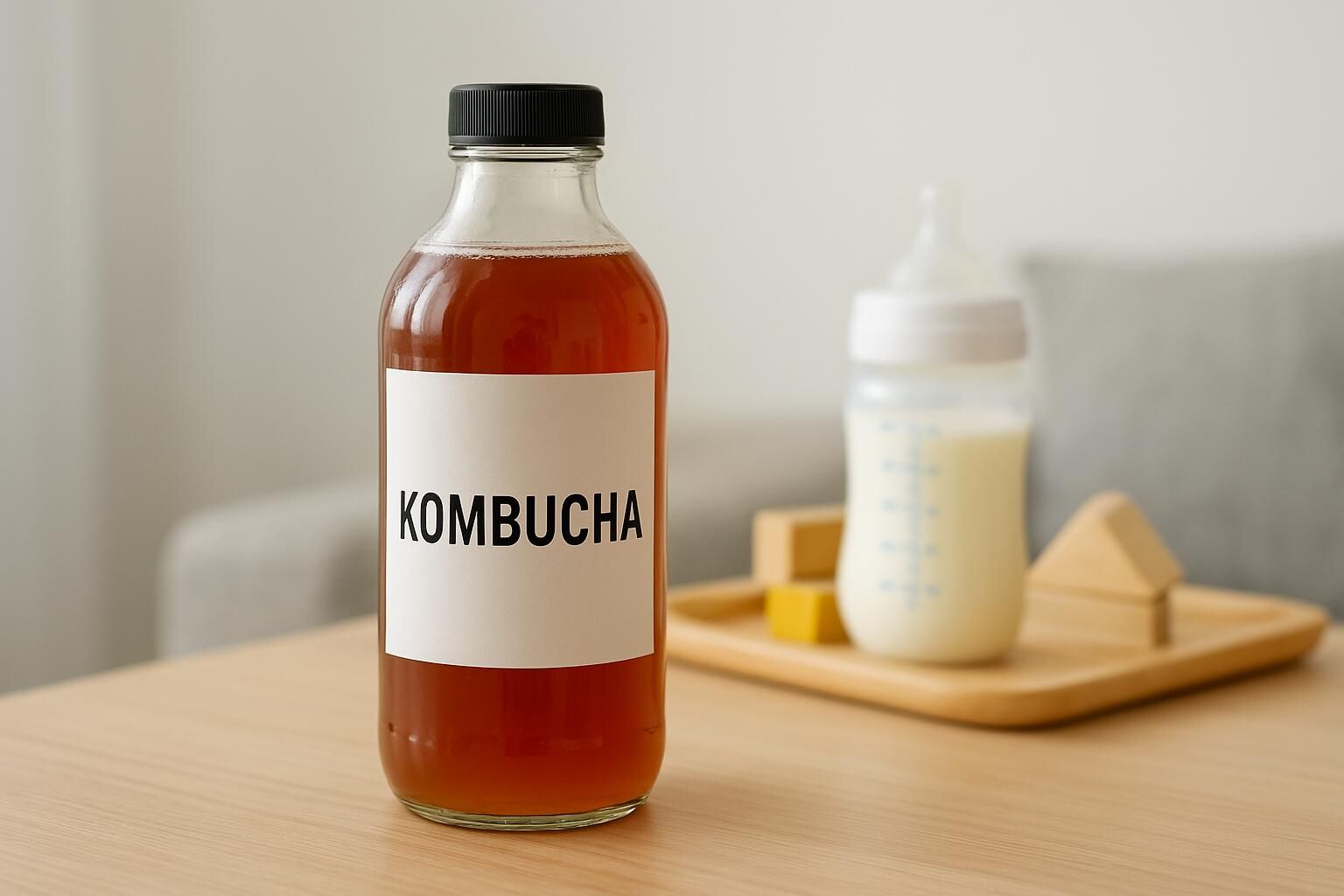
Yes, you can drink kombucha while nursing, but it’s best to do so in moderation. Kombucha contains small amounts of caffeine and alcohol from fermentation, along with probiotics that may support digestion.
Start with a small serving to see how your baby responds, choose brands with low sugar and low alcohol content, and avoid home-brewed kombucha due to a higher contamination risk. If your baby seems fussy or develops gas after you drink it, consider reducing or pausing intake.
What Is Kombucha?
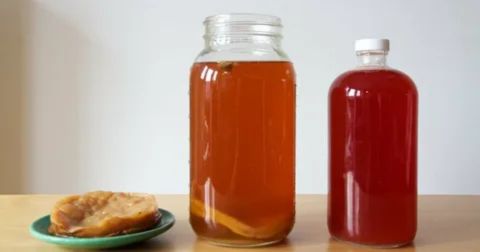
Kombucha is a fermented tea drink made by fermenting sweetened black or green tea with a SCOBY (symbiotic culture of bacteria and yeast). During fermentation, the microbes consume sugar and produce organic acids, trace amounts of alcohol, carbon dioxide, and live probiotic bacteria.
Many people enjoy kombucha for its probiotic and antioxidant content, though scientific evidence for specific health claims remains limited. Commercial kombucha varies widely — some brands are pasteurized and have virtually no live cultures, while raw, unpasteurized varieties contain active microbes and slightly higher alcohol levels.
Because kombucha contains caffeine (from the tea base) and small amounts of alcohol, it raises specific questions about safety for nursing mothers.
Is Kombucha Safe for Breastfeeding Mothers?
When considering can you drink kombucha while nursing, the answer isn’t the same for everyone. Kombucha contains three components that breastfeeding mothers should be mindful of: caffeine, alcohol, and live bacteria. The alcohol content is usually low (typically under 0.5%), but it can vary between brands and even batches. While this amount is far less than in alcoholic beverages, it still contributes to the total alcohol a nursing parent consumes.
Caffeine is another factor. Since kombucha is made from tea, it naturally contains caffeine — though typically less than a cup of coffee. Too much caffeine can make babies fussy or disrupt their sleep, especially if they are sensitive.
Lastly, probiotic bacteria in raw kombucha may support digestive health, but unpasteurized drinks carry a small risk of contamination. For most healthy breastfeeding mothers, moderate consumption — 4–6 ounces at a time — may be considered acceptable, but it’s always best to speak with a healthcare provider if unsure.

Benefits of Kombucha While Nursing
| Benefit | How It Helps | Key Consideration |
|---|---|---|
| Probiotic Support | Promotes a healthy gut microbiome and improves digestion for nursing mothers. | Choose pasteurized or safely brewed kombucha to avoid contamination. |
| Antioxidant Protection | Helps reduce oxidative stress and supports postpartum recovery. | Opt for kombucha made from green or black tea for maximum antioxidants. |
| Improved Energy | Natural B-vitamins and enzymes may boost energy levels. | Avoid overconsumption to prevent caffeine sensitivity in infants. |
| Better Nutrient Absorption | Supports a balanced digestive system, aiding in nutrient uptake. | Monitor for any changes in baby’s digestion or mood. |
| Healthy Beverage Swap | Acts as a lower-sugar alternative to soda or coffee. | Select brands with under 6g sugar per serving. |
Potential Risks of Kombucha While Breastfeeding
Although kombucha can offer some wellness perks, it’s essential to weigh the risks when deciding can you drink kombucha while nursing. The first concern is alcohol content. Even though kombucha is classified as a non-alcoholic beverage, fermentation can increase alcohol levels — sometimes above the labeled amount — which may affect babies if large quantities are consumed.
Caffeine is another element to watch. While kombucha contains less caffeine than coffee or black tea, sensitive infants may experience irritability, restlessness, or sleep disturbances if breastfeeding parents consume too much.
Another risk involves raw, unpasteurized kombucha. It contains live bacteria and yeast that, while beneficial for most adults, may pose a contamination risk for those with weakened immune systems postpartum. High-sugar kombucha varieties can also contribute to bloating, gas, or blood sugar spikes.
If you choose to drink kombucha while nursing, start with small amounts, check alcohol and sugar content, and select reputable brands for safety.
How Much Kombucha Is Safe While Breastfeeding?
If you’re wondering how much is safe when you drink kombucha while nursing, moderation is the best approach. Most health professionals suggest starting with 4 ounces (about half a cup) to see how both you and your baby respond. If your baby remains calm, sleeps normally, and shows no digestive discomfort, you may gradually increase intake — but keep daily consumption to 8–12 ounces at most.
Choose kombucha with low sugar (under 5–6g per serving), and check that the alcohol content is clearly listed and within non-alcoholic standards. Timing also matters: drinking kombucha after a feeding session gives more time for your body to process caffeine and trace alcohol before nursing again, helping minimize any impact on your baby.
Safe Alternatives to Kombucha for Breastfeeding Mothers
If you feel uncertain about can you drink kombucha while nursing, there are plenty of safer and nourishing alternatives with similar health benefits. Kefir — a fermented dairy or non-dairy drink — provides probiotics with more consistent regulation and very low alcohol. Yogurt with live cultures is another excellent option to support gut health without caffeine.
Herbal teas such as chamomile, ginger, or rooibos can offer soothing hydration without affecting your baby’s sleep or mood. Coconut water and infused water with fruits or herbs also make refreshing low-sugar choices.
For nursing mothers seeking more energy, balanced nutrition plays a bigger role than beverages. Pairing protein-rich snacks with complex carbohydrates can naturally support energy levels.
You can still enjoy that fizzy sensation kombucha offers by choosing pasteurized, lightly carbonated drinks that do not contain caffeine or alcohol. Prioritizing hydration, nutrient-dense foods, and rest will help you stay energized through the demands of breastfeeding while minimizing risks.
H2 – FAQs: Can You Drink Kombucha While Nursing?
Q1: Can occasional kombucha affect my breast milk?
Small amounts are usually safe. Monitor baby for fussiness and choose pasteurized kombucha to avoid harmful bacteria.
Q2: Can kombucha increase milk supply?
No strong evidence. It may support overall health which indirectly benefits lactation.
Q3: Is homemade kombucha safe for breastfeeding moms?
Avoid it — it’s unregulated and may contain higher alcohol levels or harmful bacteria.
Q4: Can babies get probiotics through breast milk if I drink kombucha?
Probiotics remain in the gut, not directly entering breast milk. Benefits mainly support your digestion.
Q5: What should I do if my baby becomes gassy after I drink kombucha?
Stop drinking it for a few days. If symptoms improve, the kombucha may be the cause.