Yes, you can drink the water in Jamaica in most major cities and tourist areas. The municipal supply is treated and monitored by the National Water Commission Jamaica, making tap water generally safe.
However, in rural regions or areas with non-municipal water and older pipes, it’s safer to use bottled, filtered, or boiled water. Understanding Jamaica tap water safety helps you avoid stomach issues and stay healthy while traveling.
Introduction
When planning a trip, one of the first questions travelers ask is, can you drink the water in Jamaica? The answer isn’t as simple as yes or no, because Jamaica’s water quality depends on where you’re staying and how the water is sourced. In popular tourist areas, the National Water Commission Jamaica treats and monitors the municipal supply, making tap water generally safe for most visitors.
However, conditions can differ in rural regions that rely on non-municipal water, older pipes, or rainwater catchments. Because Jamaican water quality varies by location, travelers often choose bottled or filtered options as a precaution. Understanding Jamaica tap water safety upfront helps you make informed decisions and avoid stomach issues during your trip.
How Safe Is Jamaica’s Tap Water?
Understanding how safe Jamaica’s tap water is starts with knowing how the island treats and distributes its supply. In major cities and well-developed tourist regions, the National Water Commission Jamaica manages a large part of the network, using modern treatment methods to meet international potable water standards. This is why many locals comfortably drink tap water daily.
For travelers, the question “can you drink the water in Jamaica?” often comes down to how your body reacts to new microbes rather than the water being unsafe. While the system generally performs well, occasional challenges—like aging water pipes, seasonal droughts, or unexpected contamination—can affect quality.
For that reason, many visitors still prefer filtered or bottled water for added peace of mind, especially if they have a sensitive stomach or are visiting areas with older infrastructure.
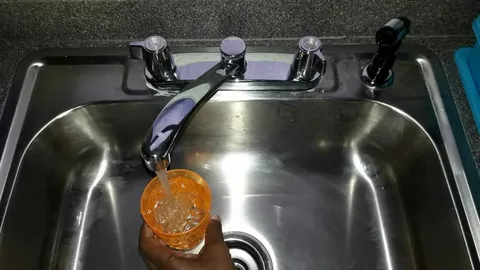
Can You Drink the Water in Jamaica in Tourist Areas?
In Jamaica’s main tourist hubs—Montego Bay, Ocho Rios, Negril, and Kingston—the tap water is generally considered safe because these areas receive consistent treatment and monitoring. Resorts and hotels often take extra steps by adding their own filtration systems, which improves Jamaica tap water safety even further. So, can you drink the water in Jamaica while staying in these popular destinations?
For most travelers, yes, especially when the water comes from a regulated municipal source. That said, every traveler’s stomach responds differently to new environments. If you’re sensitive to changes in water quality or prefer to be cautious, switching to bottled or filtered water is an easy way to avoid discomfort while still enjoying your stay in Jamaica’s major tourist areas.
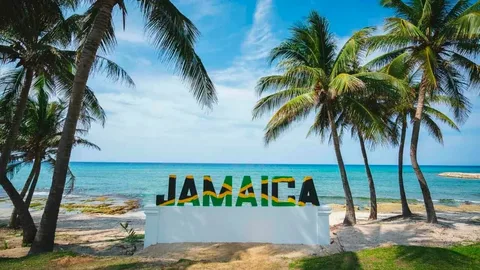
Rural Water Supply — Should You Drink the Water in Jamaica Here?
Once you move outside the major towns, the answer to can you drink the water in Jamaica becomes less reliable. Rural communities often depend on rainwater tanks, wells, or non-municipal water systems that aren’t always treated to the same standard as city supplies.
These sources can be affected by coliform bacteria, runoff, or interruptions caused by heavy rain and drought. Aging pipes in remote areas can also influence overall Jamaican water quality, making the risk of contamination higher.
For travelers, especially those with sensitive stomachs, it’s safer to stick with bottled, boiled, or filtered water in rural regions. While many locals drink the available supply without issue, visitors are better off taking precautions to avoid unnecessary illness.
Health Risks: Can You Drink the Water in Jamaica Safely Everywhere?
When asking can you drink the water in Jamaica across all regions, it’s important to understand the potential health risks. In most tourist and urban areas, the treated municipal supply is generally safe, but travelers may still experience stomach discomfort simply because their bodies aren’t used to the local microbes.
In rural communities, the risks are higher due to water contamination, inconsistent treatment, and the presence of coliform bacteria in some non-municipal water sources. Heavy rain, storms, or drought can also affect Jamaican water quality, increasing the chances of waterborne illness.
While locals typically adapt to these conditions, visitors are more susceptible to dehydration, nausea, or digestive issues when drinking untreated water. To stay safe, many travelers rely on bottled, filtered, or boiled water, especially when moving beyond the main tourist zones.
Alternatives to Tap Water in Jamaica
If you’re unsure whether you can drink the water in Jamaica in certain areas, there are several reliable alternatives that keep you safe and hydrated. Bottled water is widely available throughout the island and is the most convenient option for travelers.
Many hotels and resorts also offer filtered or purified water, which meets higher safety standards and reduces the risk of stomach issues. For those exploring rural regions, carrying a portable water filtration bottle or purification tablets can be helpful, especially in spots where non-municipal water is the main source.
Boiling water is another effective method if you’re staying in a guesthouse or Airbnb with basic kitchen access. These alternatives ensure you avoid potential contaminants while still enjoying your trip without worrying about water quality.
FAQs — Can You Drink the Water in Jamaica?
1. Can you drink the water in Jamaica in major cities?
Yes. Tap water in cities like Kingston, Montego Bay, and Ocho Rios is treated by the National Water Commission Jamaica and generally safe for most travelers.
2. Is it safe to drink tap water at resorts and hotels?
Yes. Many resorts add additional filtration systems or use purified water, making it safe even for sensitive travelers.
3. Can you drink water in rural areas?
Caution is advised. Rural regions often rely on wells, rainwater tanks, or non-municipal water that may contain coliform bacteria or other contaminants. Use bottled, boiled, or filtered water.
4. Should tourists brush their teeth with tap water?
In urban and tourist areas, brushing with tap water is generally safe. In rural areas, it’s safer to use bottled water.
5. Can drinking tap water cause stomach issues?
Yes, some visitors may experience digestive discomfort due to unfamiliar microbes, especially outside tourist zones.
6. What’s the safest water option in Jamaica?
Bottled, filtered, or boiled water is recommended, particularly in rural areas or for travelers with sensitive stomachs.
7. Is Jamaican water treated to international standards?
Urban municipal water largely meets international safety standards, though aging infrastructure can occasionally affect quality.