You should avoid drinking from a straw for at least 7–10 days after wisdom teeth removal.
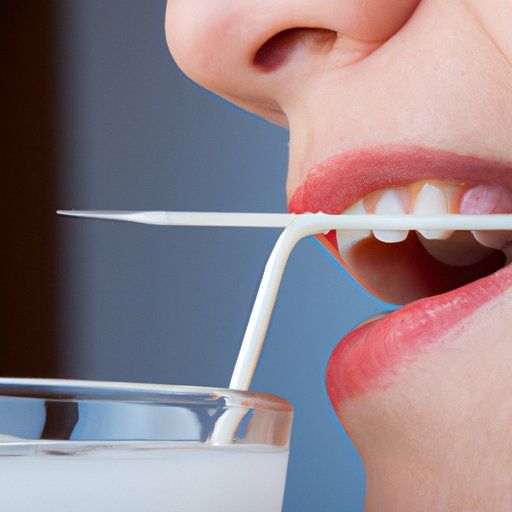
The suction created by a straw can dislodge the blood clot protecting your socket, leading to painful dry socket and delayed healing. For some patients, especially after complex extractions, dentists recommend waiting up to two weeks.
Introduction
If you’ve recently had your wisdom teeth removed, you may be wondering, “When can you drink from a straw after wisdom teeth surgery?” It’s a common concern because using a straw too soon can interfere with healing. After an extraction, your body forms a blood clot in the empty socket, which is essential for proper recovery.
Suction created by straws can dislodge this clot, increasing the risk of dry socket, a painful complication that delays healing. Understanding the safe timeline for straw use, along with proper aftercare, ensures you protect your mouth and recover smoothly.
Why You Should Avoid Straws After Wisdom Teeth Removal
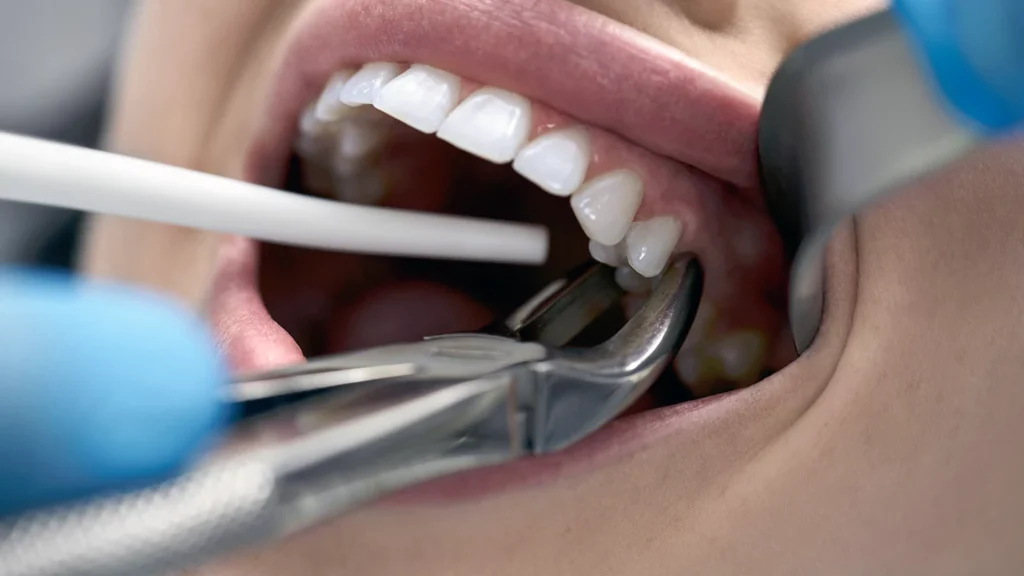
Dentists caution patients against using straws right after wisdom teeth removal for a good reason. The act of sucking on a straw creates negative pressure in the mouth, which can easily pull out the protective blood clot that forms in the extraction site. Without this clot, the bone and nerves are exposed, leading to dry socket—a painful complication that prolongs recovery. Beyond clot issues, straw use can also increase bleeding, swelling, and irritation of the surgical area. Even if the drink itself seems harmless, the suction effect is what makes straws risky. During the early days of oral surgery recovery, your focus should be on keeping the wound stable, reducing inflammation, and preventing infection. That’s why most dentists recommend putting straws aside until your mouth has had enough time to heal.
When Can You Drink from a Straw After Wisdom Teeth?
| Timeline | Recommendation | Reason/Notes |
|---|---|---|
| First 7 days | Avoid all straws | Blood clot is fragile; suction can cause dry socket. |
| 7–10 days | Most dentists recommend waiting | Allows clot stabilization and early healing. |
| Up to 2 weeks | Safer for complex/impacted extractions | Gum tissues beneath the surface remain delicate. |
| After 2 weeks | Often safe (if advised by dentist) | Risk of dislodging clot is reduced. |
| Overall advice | Follow your dentist or oral surgeon’s instructions | Healing time varies based on age, health, and number of teeth removed. |
Risks of Using a Straw Too Early
Using a straw too soon after wisdom teeth removal can create more problems than you might expect. The biggest risk is dry socket, a condition where the protective blood clot is dislodged, exposing bone and nerves. This leads to intense pain and requires additional treatment from your dentist. Straws also increase the chance of bleeding and swelling, since the suction disrupts the delicate healing tissue. In some cases, the wound can reopen, making you more vulnerable to infection.
Even if you’re careful, the simple act of sipping through a straw creates enough negative pressure in your mouth to cause damage. While it may seem like a minor habit, using a straw before your extraction site is fully healed can extend recovery by several days or even weeks. Avoiding straws early on is a simple yet important step in protecting your mouth after surgery.
Safe Alternatives to Straws During Recovery
| Drink/Food Option | Why It’s Safe | How to Consume |
|---|---|---|
| Water | Hydrates without irritation | Sip slowly from a glass |
| Clear broths | Gentle, soothing, adds nutrients | Drink warm (not hot) from a cup |
| Lukewarm herbal teas | Comforting and mild | Sip directly from a cup |
| Protein shakes / meal replacement drinks | Provide protein and energy | Use a cup or spoon (no straw) |
| Seedless smoothies | Nutritious, soft, easy to digest | Eat with a spoon (avoid seeds) |
| Soft fruits (banana, avocado blends) | Easy to blend, nutrient-rich | Serve as smoothie or mash, spoon-fed |
| Avoid: acidic or carbonated drinks | Can irritate wound, delay healing | Wait until dentist confirms it’s safe |

Signs You’re Ready to Use a Straw Again
atients often ask, “When can you drink from a straw after wisdom teeth removal without worry?” The answer depends on how well your mouth is healing. A good sign you’re ready is when the extraction site looks closed, with no visible opening or exposed tissue. By this point, bleeding and swelling should be minimal or completely gone. Another positive indicator is reduced pain and sensitivity, allowing you to drink comfortably from a cup.
However, the most reliable way to know is by checking with your dentist or oral surgeon during a follow-up visit. They can confirm whether your healing timeline supports safe straw use. If you’re unsure, it’s always better to wait a few more days rather than risk complications. Paying attention to these signs and following professional advice ensures that when you finally use a straw again, you can do so safely.
FAQs
1. Can I drink soda with a straw after wisdom teeth removal?
No. Both soda and straws should be avoided for at least 7–14 days. Soda’s carbonation and acidity irritate the healing area, while the straw’s suction increases the risk of dry socket.
2. Does using a straw always cause dry socket?
Not always, but using a straw greatly increases the chances of dislodging the blood clot that protects the extraction site. Once that clot is lost, dry socket can develop.
3. What happens if I accidentally used a straw too soon?
If you used a straw early, don’t panic. Monitor your symptoms. If you notice sharp pain, unusual bleeding, swelling, or a bad taste, call your dentist immediately for guidance.
4. When can I drink smoothies with a straw after wisdom teeth removal?
Smoothies are fine during recovery if they are seedless and not too cold—but you should eat them with a spoon. Using a straw should wait at least 1–2 weeks.
5. What is the safest way to drink after wisdom teeth removal?
Sip slowly from a cup, making sure drinks are cool or lukewarm. Avoid suction, carbonation, and extreme temperatures until your dentist clears you.


